Evander
Evander is the Arcadian king who rules a small settlement on the future site of Rome when Aeneas arrives in Virgil's Aeneid. He welcomes the Trojans, grants Aeneas an alliance and gives him his son Pallas with two hundred horsemen. Turnus kills Pallas. Livy makes Evander a refugee from the Peloponnese who greets Hercules after the death of Cacus and founds his rites.
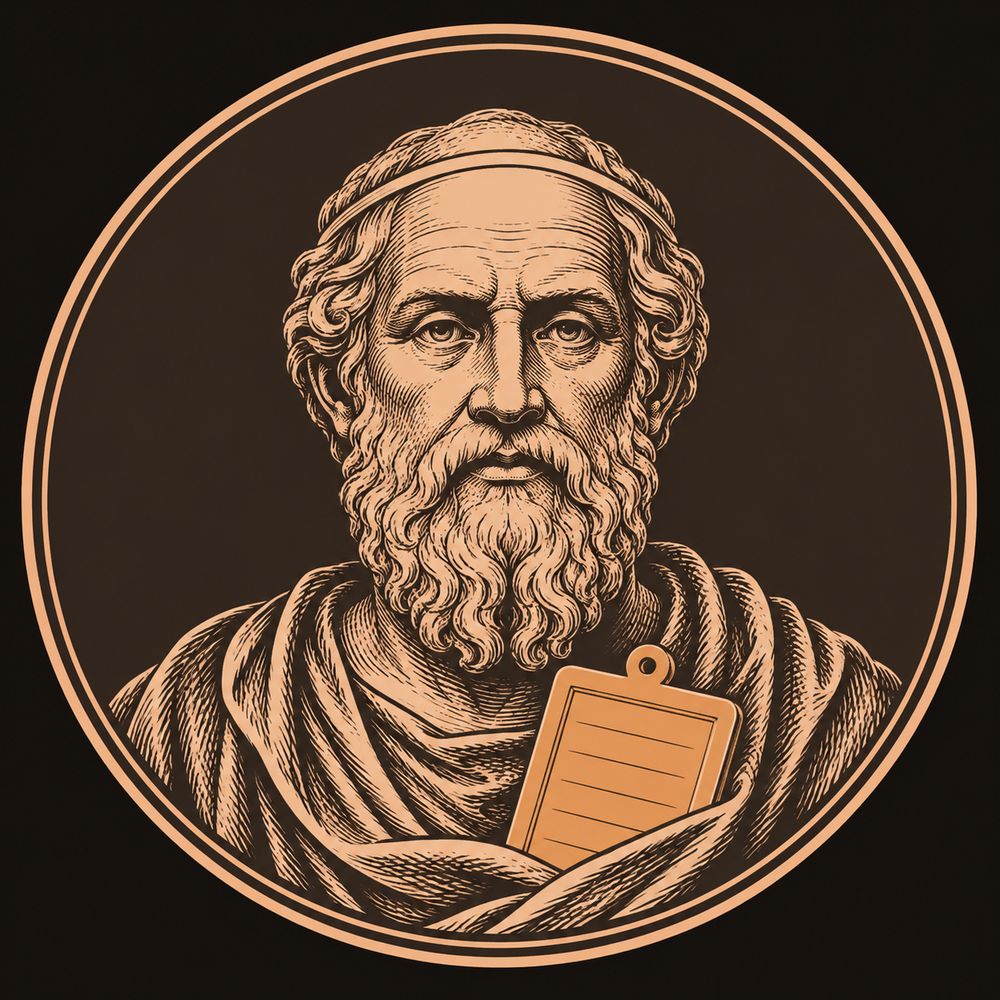
Evander, Arcadian king of the Palatine
Generated by AI from this page's own facts, not an ancient image or evidence of anything. How this site uses generated images
Sections on this page
Core Myth
Virgil's Aeneid makes Evander the king of a small settlement on the Tiber where Rome will stand. His son Pallas meets the Trojan envoys and leads Aeneas to him. Aeneas says he is speaking to a Greek and an Arcadian king, and he claims kinship through Mercury (Virgil, Aeneid 8.126-151). Evander answers that he remembers Anchises from a visit to Arcadia, when Priam came to see his sister Hesione. He gave Anchises gifts, and he now clasps Aeneas by the hand and grants the alliance (Virgil, Aeneid 8.152-183).
Evander tells Aeneas how he came to Italy. Saturn had come down from Olympus before him, in flight from Jove, and had given the land the name Latium, from the word for hiding. Evander says he came himself as an exile across uncharted seas. His mother, the nymph Carmentis, drove him on with prophecy, warned by Apollo (Virgil, Aeneid 8.314-336). He then walks Aeneas through the site. He shows the Carmental gate, the Lupercal and the Capitol, then leads him to a plain house whose threshold Hercules once crossed (Virgil, Aeneid 8.337-369).
The feast Aeneas interrupts honors Hercules. Evander says the rite is no empty superstition. Hercules killed the monster Cacus in the cave under the rock, and the people have kept the day since (Virgil, Aeneid 8.184-279). Livy tells the same episode from Evander's side. He calls Evander a refugee from the Peloponnese who ruled by personal standing more than by force, and who was respected for his knowledge of letters (Livy, Ab Urbe Condita 1.7.3-15). When shepherds accused the stranger Hercules of murder, Evander asked his name. He answered with a greeting and said his mother had foretold that Hercules would join the gods and that the altar would be called the Ara Maxima (Livy, Ab Urbe Condita 1.7.9-10).
Evander's help to Aeneas has a limit. He says an oracle forbids the Etruscans to follow an Italian-born leader, and that old age keeps him from the command himself. He offers Pallas instead, as a pupil of Aeneas, with two hundred Arcadian horsemen (Virgil, Aeneid 8.470-519). At the parting he wishes Jove would give him back his vanished years. He clings to his son, weeps and faints, and slaves carry him home (Virgil, Aeneid 8.554-584).
The alliance costs him his son. Aeneas later recalls Evander's table and the pact of friendship offered to a stranger (Virgil, Aeneid 10.510-530). Turnus kills Pallas in single combat (Virgil, Aeneid 10.439-509). Aeneas pictures Evander still hoping and making vows (Virgil, Aeneid 11.29-58). When the body comes home, Evander does not blame the Trojans for the pact. He asks Aeneas to repay the debt to father and son with Turnus's death, and says nothing else can make him want to live (Virgil, Aeneid 11.139-181).
Who was Evander in the Aeneid?
He is the host and ally who gives Aeneas his first partner in Italy. Virgil places him at a feast for Hercules on the site of Rome. Evander explains the rite, walks Aeneas through the future city and arranges the Arcadian horsemen. He also links the Trojan war to a personal loss, because the son he sends dies and he then asks for Turnus's death as repayment.
How did Evander found the Lupercalia?
Livy does not use the word founded, but he ties the festival to him. It was held on the Palatine from the start, and Livy says Evander brought the rite from Arcadia. The honored god was the Lycaean Pan, whom Romans later called Inuus. Livy adds that the hill took the name Pallantium from an Arcadian city of that name.
Who was Evander in Greek mythology?
In the sources checked here he is an Arcadian Greek who lives in Roman stories. Virgil has Aeneas call him a Greek and an Arcadian king, and Livy calls him a refugee from the Peloponnese. Both authors write in Latin and place his career in Italy. No Greek-language source was checked for him, so this page treats him as a figure of Roman tradition with a Greek origin.
Who was Evander's mother?
Virgil makes her the nymph Carmentis. In Evander's speech she urges him into exile with prophecy, warned by Apollo, and the Carmental gate on the walk through the site commemorates her. Livy does not give her name. He says only that she was believed to be a divine being, and that her prophecies were what Evander told Hercules.
Later Traditions
Livy gives Evander a place in Rome's oldest cults. He says the Lupercalia was already held on the Palatine in those days. He calls Evander an Arcadian who ruled the area long before, and says the hill was named Pallantium after a city in Arcadia. The festival honored the Lycaean Pan, whom the Romans later called Inuus (Livy, Ab Urbe Condita 1.5). Livy also says the Greek rites of Hercules were kept as Evander had set them up. The Potitii were taught the rite by him and led it for many ages (Livy, Ab Urbe Condita 1.7.3-15).
The two authors differ on what Evander does. In Livy he judges a dispute and founds a cult. In Virgil he is a host who explains an older rite and sends his son to war. Virgil also names his mother Carmentis and sets her gate on the walk through the site (Virgil, Aeneid 8.337-369). Livy gives only a mother believed to be divine (Livy, Ab Urbe Condita 1.7.3-15).
Also Connected
3 recorded connections, each with the ancient line behind it.
Allies
-
In the Aeneid Evander grants Aeneas's plea for help, clasps his hand in friendship and later sends his son Pallas and Arcadian horsemen to fight beside the Trojans.
Connected
-
Livy has Evander greet Hercules after the death of Cacus and foretell that he will join the gods and that the altar will be called the Ara Maxima.
-
Virgil's Evander tells Aeneas that Saturn came down from Olympus, fleeing Jove, and gave Latium its name, before Evander himself reached the land as an exile.
Where Accounts Differ
- Evander at the Hercules rite
- Evander's mother
- Evander's role at the Hercules rite differs by source. Livy has him meet Hercules, judge the cattle dispute and instruct the Potitii. Virgil has him explain an already established feast to Aeneas.
- Evander's mother differs by source. Virgil names her Carmentis, a nymph. Livy says only that she was believed to be divine and does not name her.
Read the full source verification →
Mythology
Appears In
Related Terms
Referenced By
Sources
- Virgil, Aeneid 8.126-151
- Virgil, Aeneid 8.152-183
- Virgil, Aeneid 8.184-279
- Virgil, Aeneid 8.314-336
- Virgil, Aeneid 8.337-369
- Virgil, Aeneid 8.470-519
- Virgil, Aeneid 8.554-584
- Virgil, Aeneid 10.439-509
- Virgil, Aeneid 10.510-530
- Virgil, Aeneid 11.29-58
- Virgil, Aeneid 11.139-181
- Livy, Ab Urbe Condita 1.5
- Livy, Ab Urbe Condita 1.7.3-15
- Livy, Ab Urbe Condita 1.7.9-10