Roman Heroes: Founders, Kings, Rivals and Lucretia
The Roman heroes are the legendary founders, kings, warriors and exemplary citizens of early Rome: Romulus, Remus, Numa Pompilius, Latinus, Turnus, Camilla, Hercules and Lucretia. Livy and Virgil are the main sources. No ancient author gives a list of Rome's heroes, so the grouping here is editorial. Most of them were Italians or foreigners, not Romans by birth.
Sections on this page
Overview
Roman heroes are not a canon the ancients drew up. Livy tells a legendary past from Aeneas to the last king, and Virgil's Aeneid tells the war in Italy that comes before it. The eight figures below are the ones with a page on this site. They are grouped by where they stand in that story, and the grouping is editorial.
The first group is the Italians who meet Aeneas. Livy says Latinus either fought the Trojans first or welcomed them at once (Ab Urbe Condita 1.1), and the Aeneid makes him the old king who offers Aeneas his daughter. His rival for her is Turnus, the Rutulian king whom Aeneas kills at the end of the poem (Aeneid 12.887-952). Camilla is Turnus's Volscian cavalry commander, a warrior-maiden whom Virgil compares to the Amazons (Aeneid 11.648-663). All three belong to the generation before Rome exists.
Hercules stands between that world and the city. Livy and Virgil both place his killing of the thief Cacus on the future site of Rome (Ab Urbe Condita 1.7.3-15; Aeneid 8.184-279). He is a Greek hero by origin and is the only foreign rite Livy says Romulus adopted (Ab Urbe Condita 1.7.15). His page belongs here for what Rome did with him, not for his Greek labours.
The founders come next. Romulus and his twin Remus share a birth story and diverge at the founding, where Remus dies and Romulus names the city (Ab Urbe Condita 1.6-1.7). Numa Pompilius follows as the second king, a Sabine whom Livy credits with the priesthoods, the calendar and a reign of peace (Ab Urbe Condita 1.18-1.21). The two kings are opposites that Roman tradition kept together: one founds by war, the other by religion.
The last figure closes the monarchy. Lucretia is the Roman matron whose rape by Sextus Tarquin and suicide lead Brutus to swear to end the Tarquin kings (Ab Urbe Condita 1.57-1.60). She is a hero of the republic's beginning, not of its founding. For the gods who stand behind these stories, such as Mars, Janus and Jupiter, see the page on the Roman gods.
In This Topic (8)
-
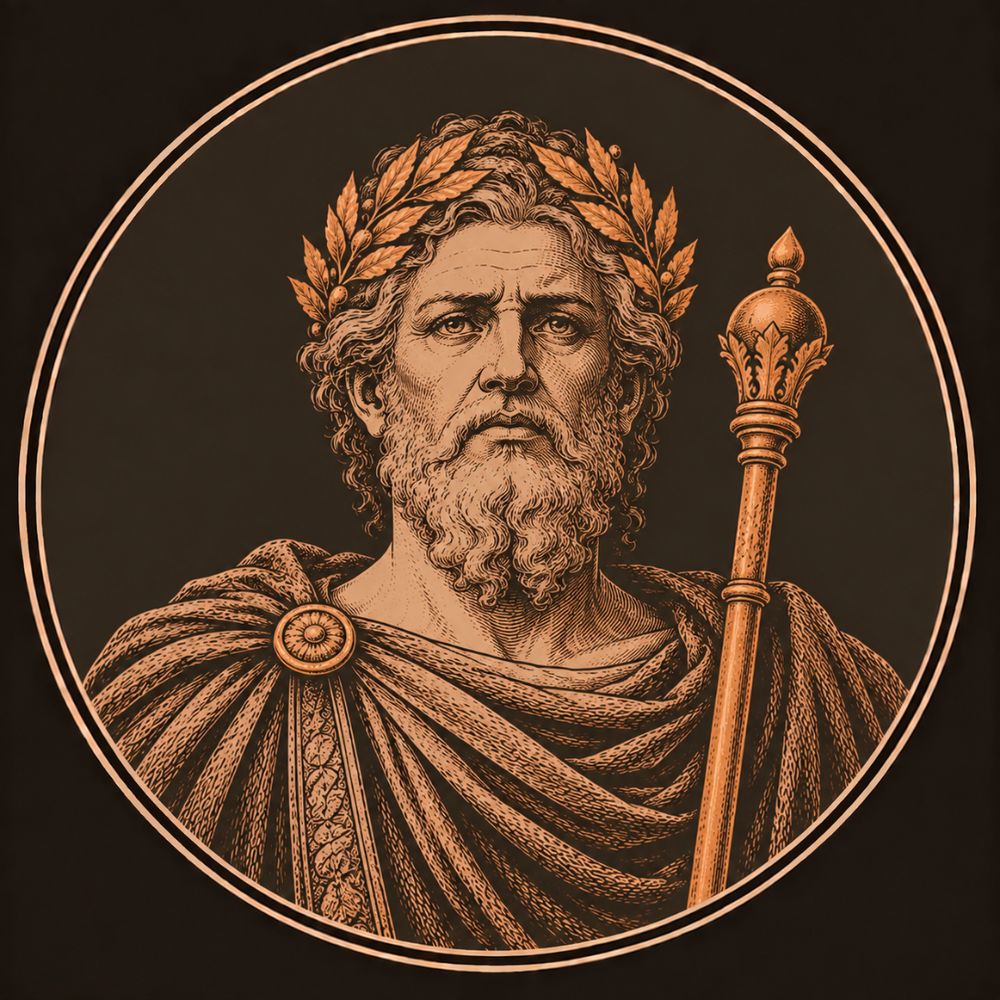
Latinus Character
Latinus is the king of Latium who received Aeneas in Italy and gave him his daughter Lavinia, though the ancient sources name four different fathers for him.
-
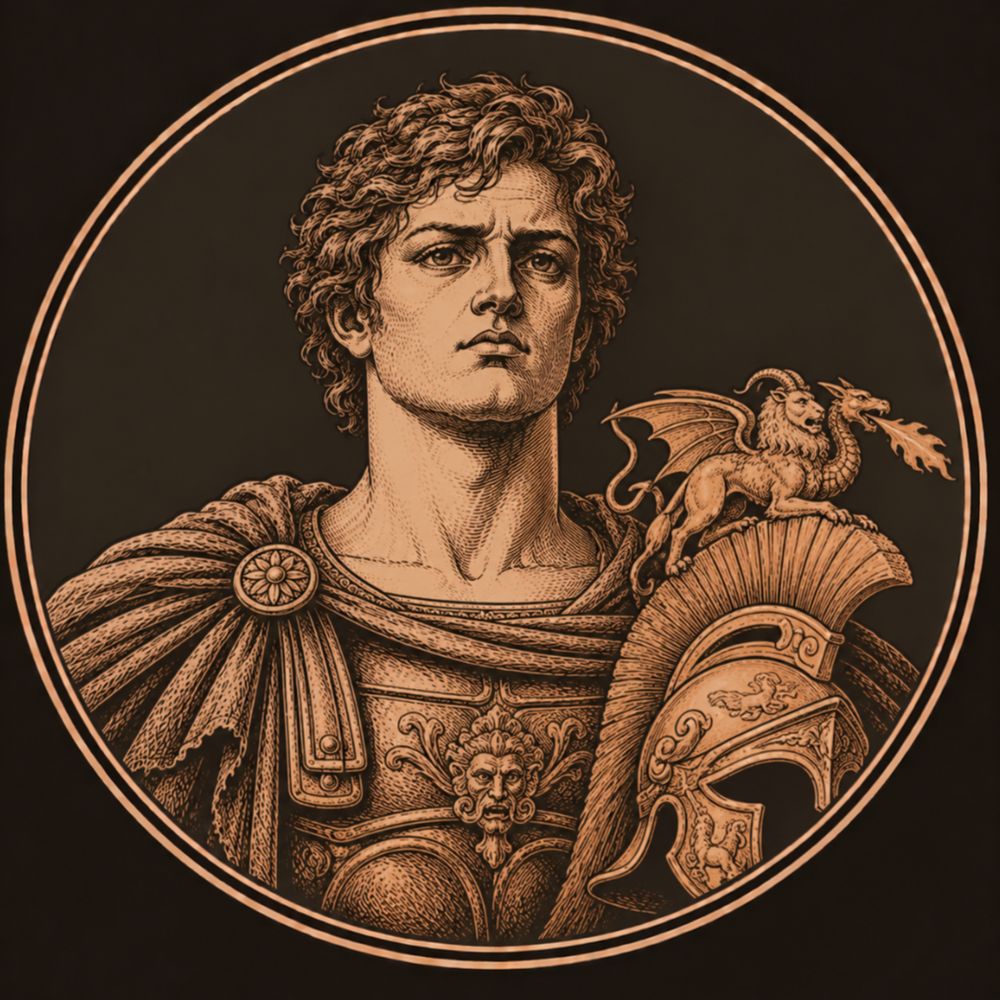
Turnus Character
Turnus is the Rutulian king who opposes Aeneas in Italy, the rival suitor for Lavinia whom Aeneas kills at the end of the Aeneid.
An enemy of Aeneas, not an ally, but Virgil makes him the hero of the Italian side and the last man the poem kills.
-
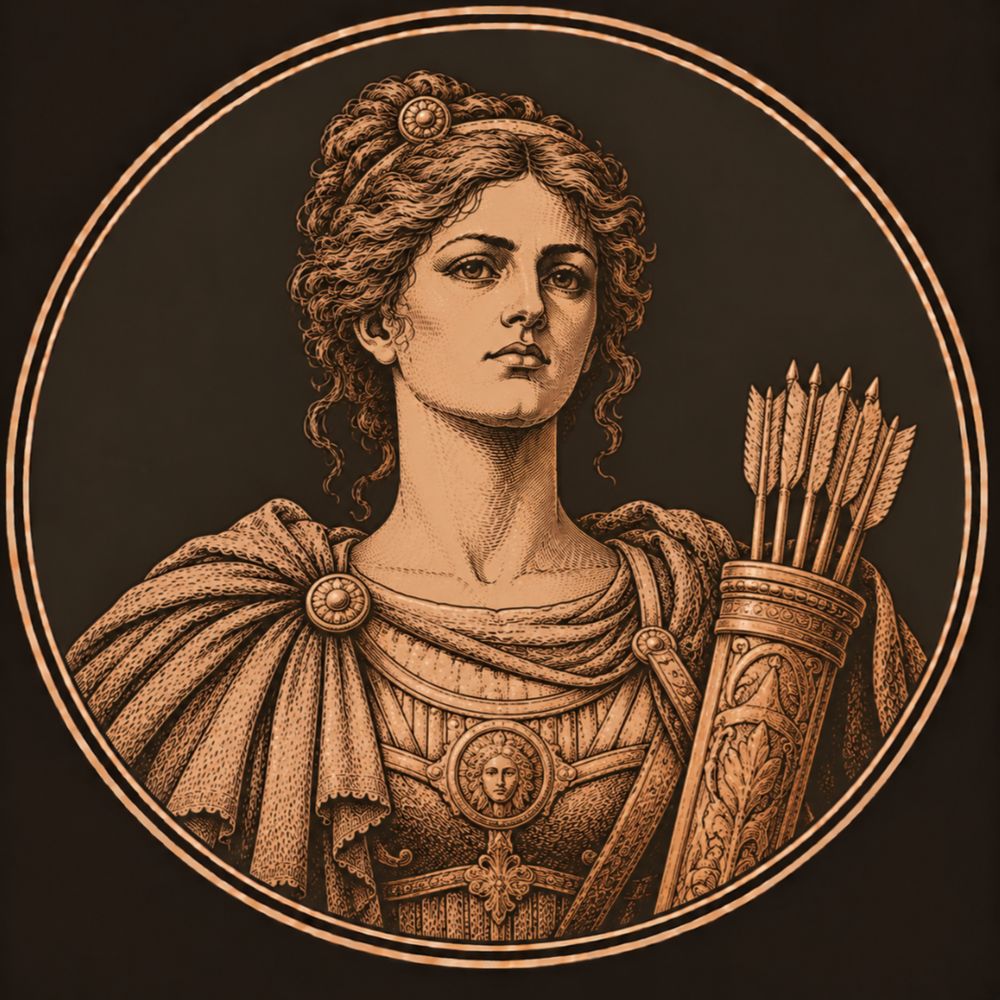
Camilla Character
Camilla is the Volscian warrior-maiden who leads Turnus's cavalry against the Trojans in Virgil's Aeneid and dies to Arruns in Book 11.
Known only from Virgil's Aeneid, where she fights for the Italians against the Trojans.
-
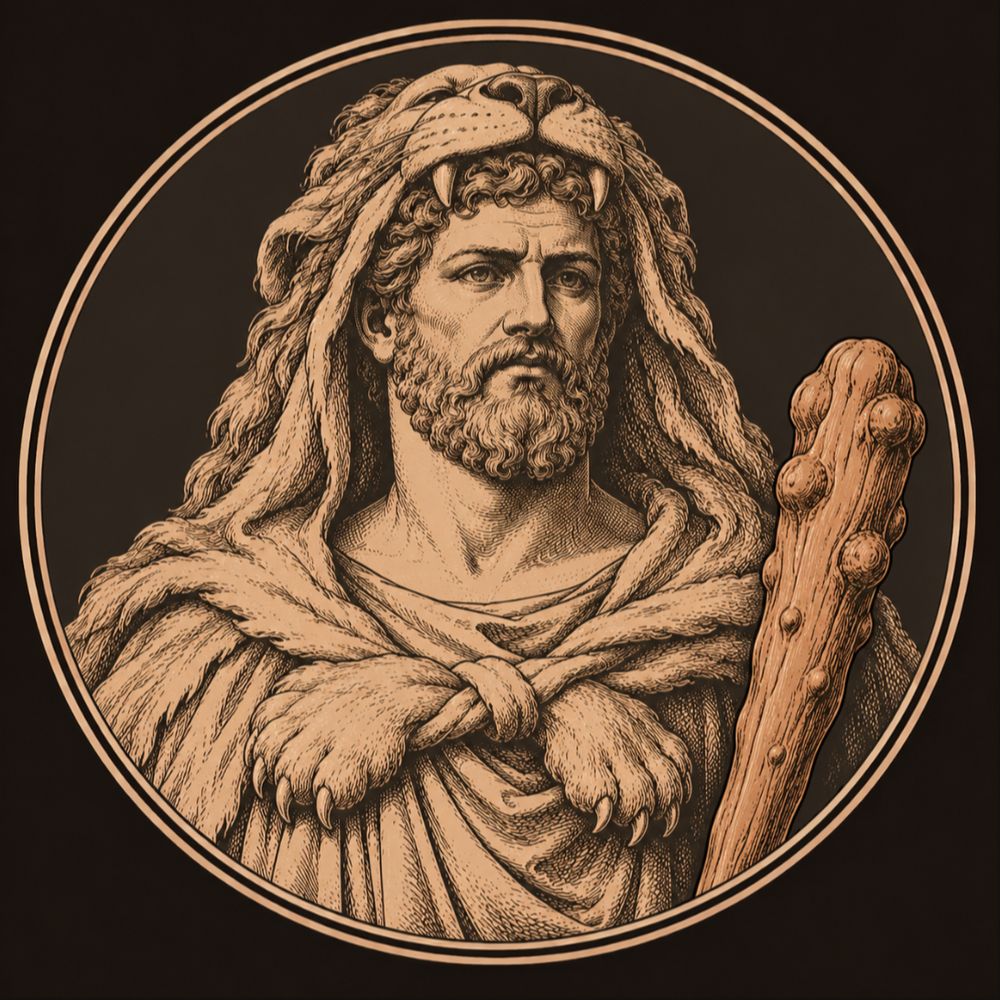
Hercules Character
Hercules is the Roman form of the hero Heracles, honored in Rome at the Ara Maxima for killing the thief Cacus on the future site of the city.
A Greek hero by origin, grouped here because Livy and Virgil give his Italian episode to the site of Rome.
-
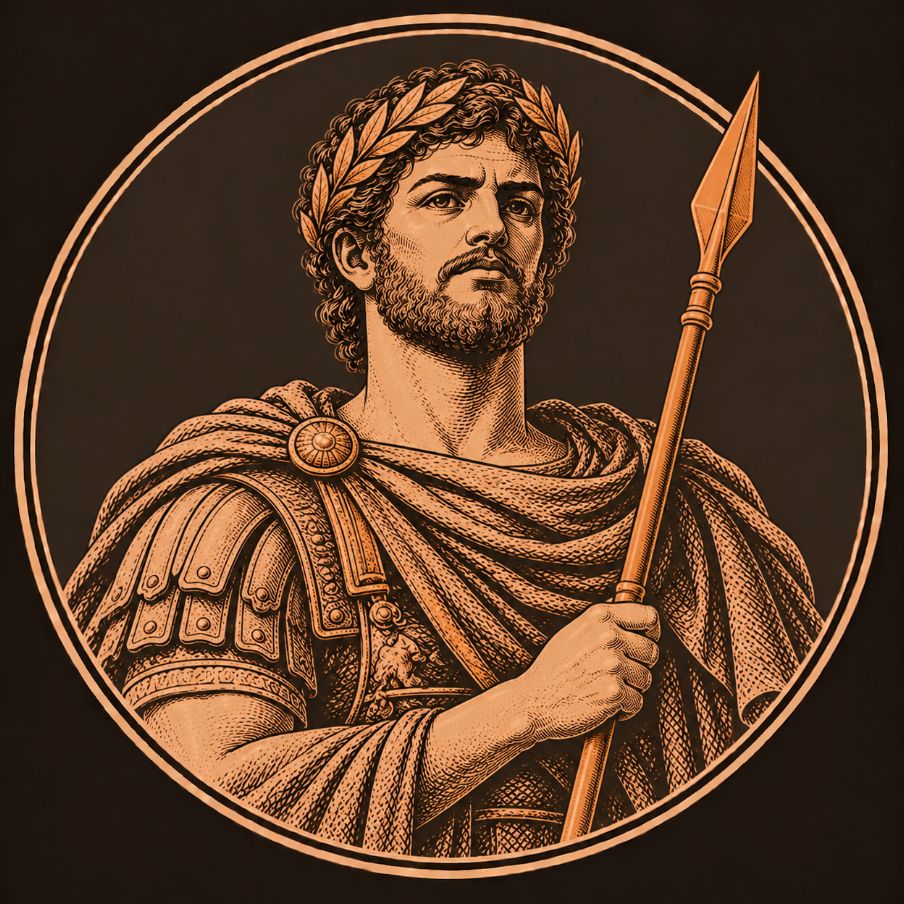
Romulus Character
Romulus is the legendary founder and first king of Rome, a son of Mars by the Vestal Rhea Silvia, worshipped after his disappearance as the god Quirinus.
-
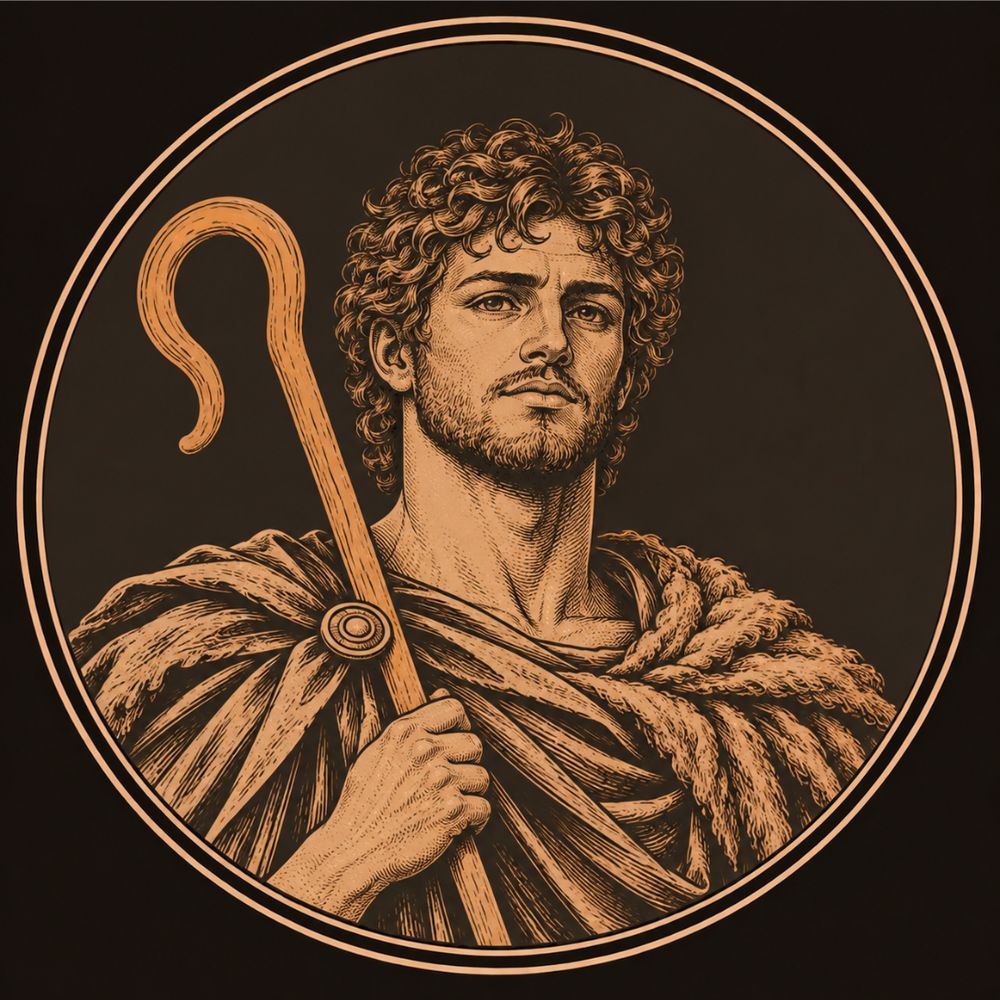
Remus Character
Remus is the twin brother of Romulus, a son of Mars by the Vestal Rhea Silvia, who lost the contest of the birds for Rome and was killed at its founding.
Placed after Romulus's own page because his death is the price of the founding.
-
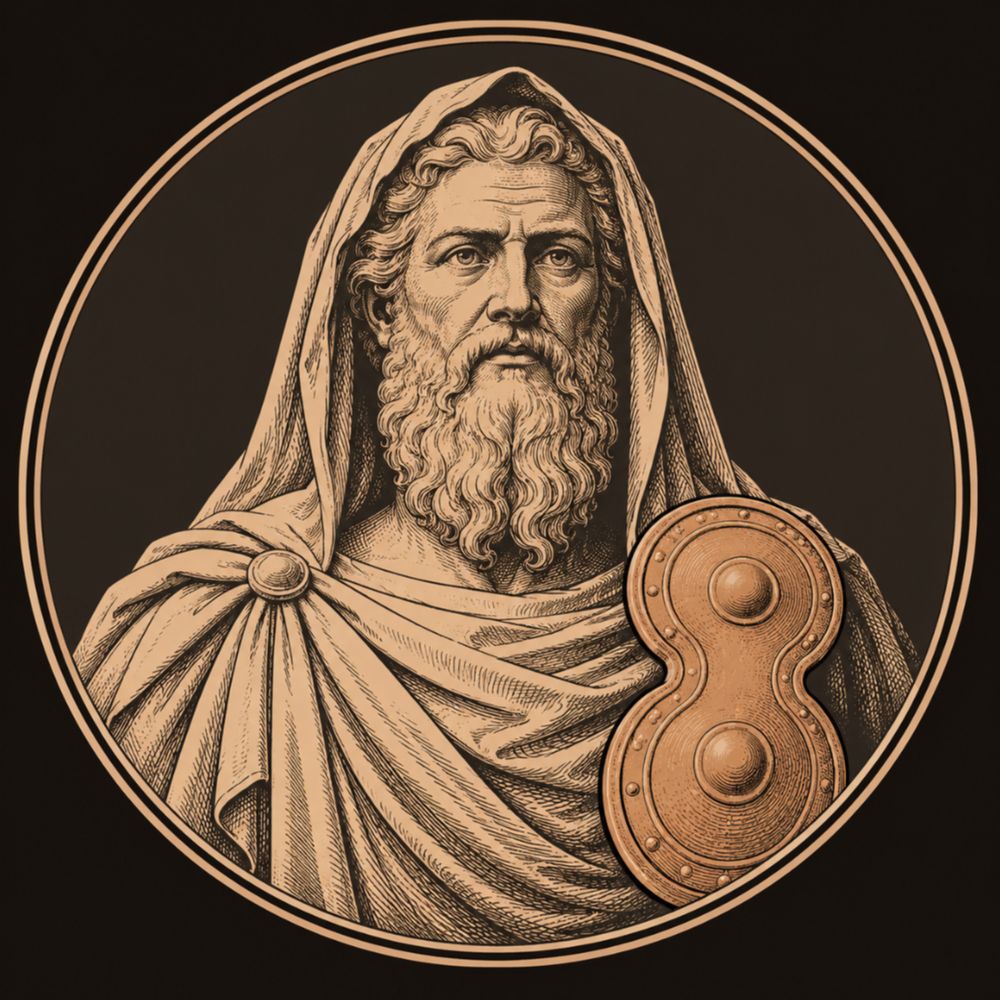
Numa Pompilius Character
Numa Pompilius is the legendary second king of Rome, a Sabine of Cures whom Livy, Plutarch and Ovid credit with founding Rome's priesthoods, calendar and peaceful religion.
-
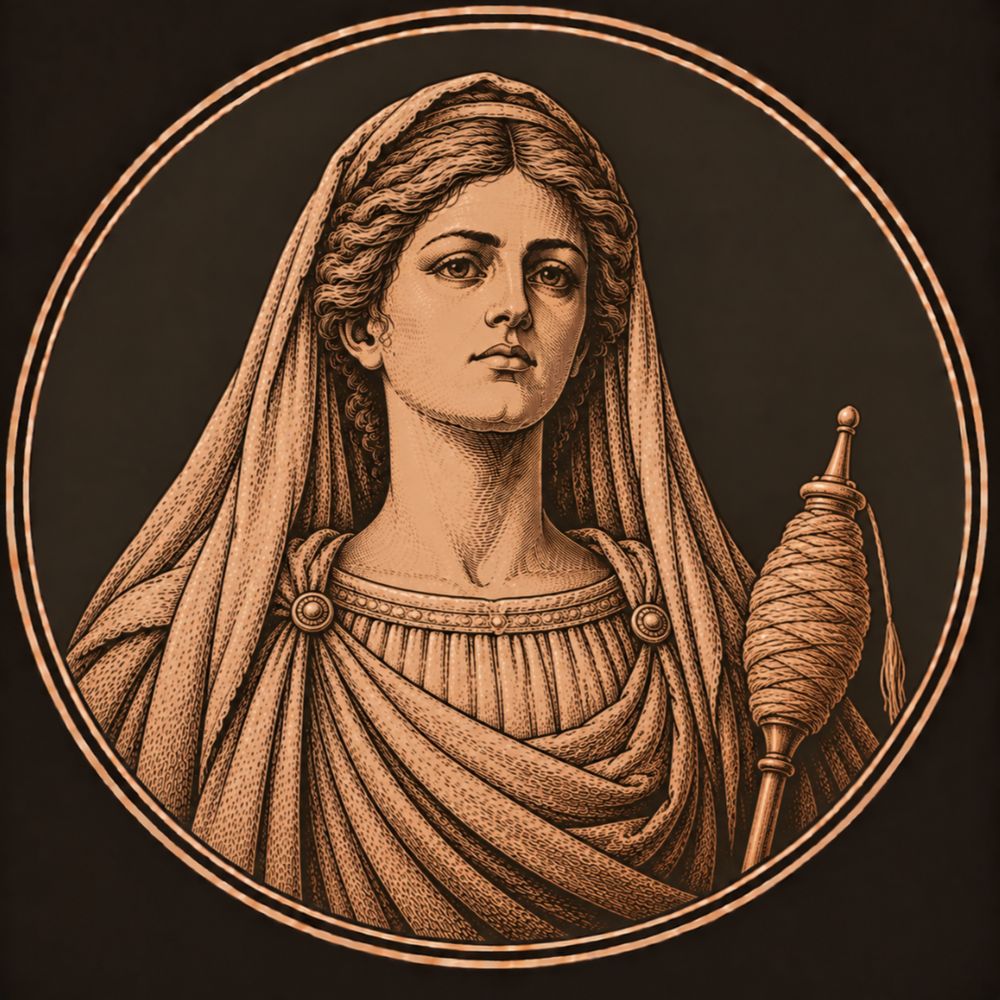
Lucretia Character
Lucretia is the Roman matron of Collatia whose rape by Sextus Tarquin and suicide, in Livy and Ovid, set off the revolt that ended the monarchy.
The only woman of the group who belongs to Rome itself, and the figure who ends the age of the kings.
Which Roman heroes became gods?
Two of the eight are worshipped, and by different routes. Livy says Romulus vanished in a storm and the Romans hailed him as a god, after Proculus Julius swore that Romulus had appeared to him. Hercules is a god of Roman cult who was a hero first. Cicero lists him among the men raised to heaven for public service. The others stay mortal in the sources checked here.
Livy, Ab Urbe Condita 1.16; Cicero, De Natura Deorum 2.62; Virgil, Aeneid 8.285-302
Were the Roman heroes actually Romans?
Mostly not. Latinus is a Latin king, Turnus a Rutulian and Camilla a Volscian. Numa is a Sabine from Cures, and Hercules is the Greek Heracles. Romulus and Remus are Alban by birth, and only Lucretia is a Roman matron. The Greek poets even made Latinus a son of Odysseus. The tradition makes Rome a city founded by incomers and fed by neighbouring peoples.
Livy, Ab Urbe Condita 1.18; Virgil, Aeneid 7.803-817; Hesiod, Theogony 1011-1014
How much of the Roman hero story is history?
The ancient authors themselves doubted parts of it. Plutarch says the main account of Romulus was suspected of being fabulous, and answers only that fortune is sometimes a poet. Livy rejects the story that Pythagoras taught Numa, on grounds of date. Livy also gives two versions of Remus's death and says the more common one has Romulus kill him. Modern dating of the kings is a separate question the sources checked here do not settle.
Plutarch, Life of Romulus 8; Livy, Ab Urbe Condita 1.18; Livy, Ab Urbe Condita 1.7
Which hero ended the Roman monarchy?
Lucretia's death starts the revolt, and Lucius Junius Brutus leads it. In Livy, Lucretia tells her father and husband that Sextus Tarquin raped her and then stabs herself. Brutus draws the knife and swears over her body to drive out the Tarquins. Livy then has Brutus and her husband Collatinus become the first consuls. Ovid and Dionysius of Halicarnassus tell the same event, so the hero is a woman who did not live to see the result.
Livy, Ab Urbe Condita 1.58; Livy, Ab Urbe Condita 1.59; Livy, Ab Urbe Condita 1.60
Where Accounts Differ
- no ancient list of Roman heroes
- Hercules as a Greek hero counted at Rome
- Remus and Romulus: divergent accounts of death
- No ancient source lists the heroes of Rome. The eight members and their grouping are editorial, drawn from Livy's early books and Virgil's Italian books, and no ancient author uses the groups.
- Hercules is a Greek hero by origin. He is counted here for his Italian episode at the site of Rome, which Livy and Virgil tell, and not for his Greek labours.
- The sources disagree on Remus's death (Livy's two versions, Plutarch, Ovid) and on Romulus's end (ascent to heaven or killed by the senators). This page records the disagreement and leaves it to the member pages.
Related Topics
Related Terms
Sources
- Livy, Ab Urbe Condita 1.1
- Livy, Ab Urbe Condita 1.7
- Livy, Ab Urbe Condita 1.7.3-15
- Livy, Ab Urbe Condita 1.7.15
- Livy, Ab Urbe Condita 1.16
- Livy, Ab Urbe Condita 1.18
- Livy, Ab Urbe Condita 1.58
- Livy, Ab Urbe Condita 1.59
- Livy, Ab Urbe Condita 1.60
- Virgil, Aeneid 7.803-817
- Virgil, Aeneid 8.184-279
- Virgil, Aeneid 8.285-302
- Virgil, Aeneid 11.648-663
- Virgil, Aeneid 12.887-952
- Plutarch, Life of Romulus 8
- Cicero, De Natura Deorum 2.62
- Hesiod, Theogony 1011-1014