Greek Heroes
A Greek hero is a figure of the mythic past, usually mortal or born of a god and a mortal, whose deeds or sufferings the poets preserved. Homer uses the word for warriors in general. Hesiod makes the heroes a separate age of men, called demigods, who fought at Thebes and Troy. The figures gathered here include fighters, a seer, a craftsman and several victims of the gods.
Sections on this page
Overview
The Greek word hero, in Greek hērōs, covers more than a warrior. Homer opens the Iliad by saying that Achilles's anger sent the souls of many heroes to Hades. Hesiod treats the heroes as a race of men between the age of bronze and the age of iron, a divine breed called demigods. Their stories survive in epic, lyric, tragedy and the handbook of Apollodorus, and the poets often disagree about them.
The largest group in this cluster belongs to the Trojan War. Patroclus dies in Achilles's armor and draws his friend back into the fighting. Achilles's father Peleus and his son Neoptolemus stand on either side of him in the genealogy. Philoctetes and Sinon are the archer and the deceiver whom the Greeks need before the city can fall. On the Trojan side are Priam, Hecuba, Andromache and Aeneas. The wider war is told on the Trojan Cycle page.
Other members come from the northern and central Greek tales. Meleager and Atalanta hunt the Calydonian boar. Bellerophon and Sisyphus are Corinthian figures, one a monster-slayer and the other a trickster punished in Hades. Thebes supplies Semele, Pentheus, Actaeon, Tiresias and Alcmene, and several of them are caught up in the quarrels of Dionysus, Artemis and Hera.
The remaining members are lovers and favorites of the gods and one family of craftsmen. Io is driven across the world by Hera. Ganymede is carried to Olympus, and Adonis is loved by Aphrodite and killed by a boar. Midas receives and loses the golden touch. Daedalus builds the wings on which his son Icarus falls. These figures are included because the sources call them heroes or place them in the heroic age, even where they never fight.
In This Topic (24)
-
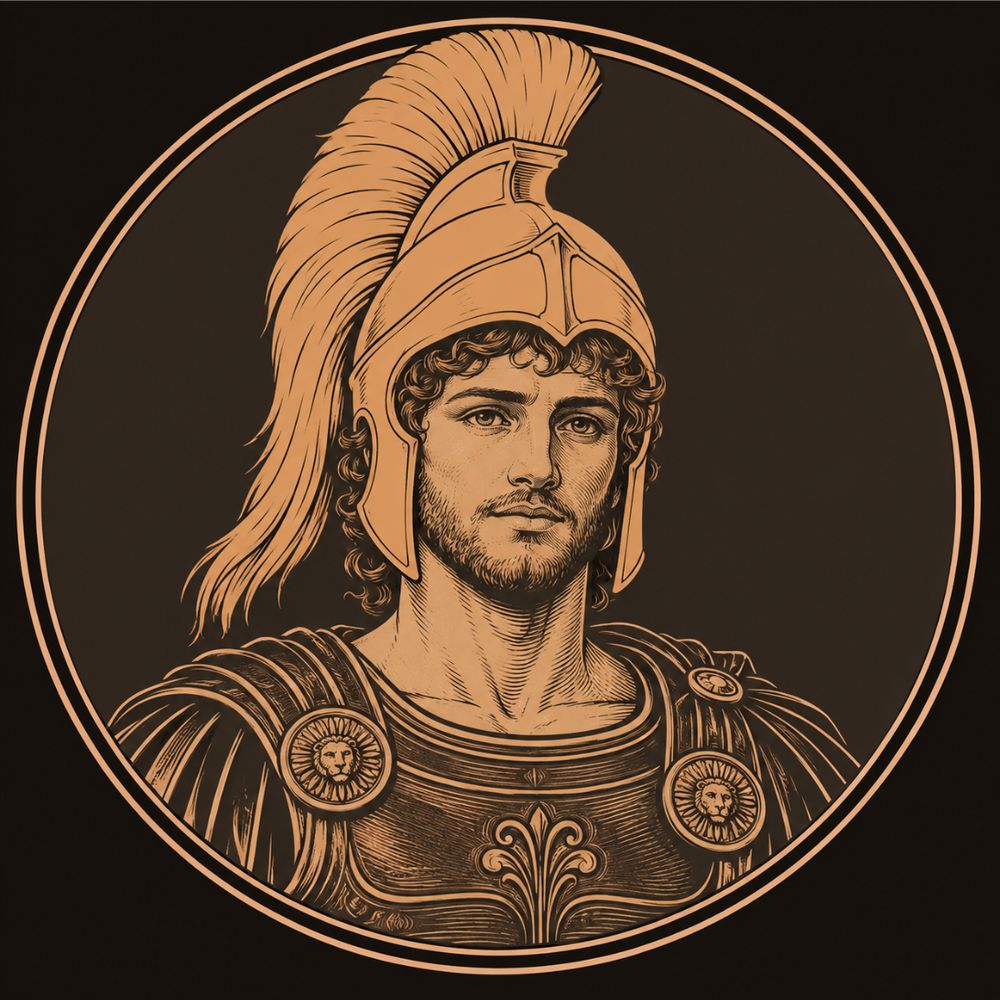
Patroclus Character
Patroclus is the son of Menoetius and the closest companion of Achilles, whose death in Achilles's armor at the hands of Hector brings Achilles back into the Trojan War.
-
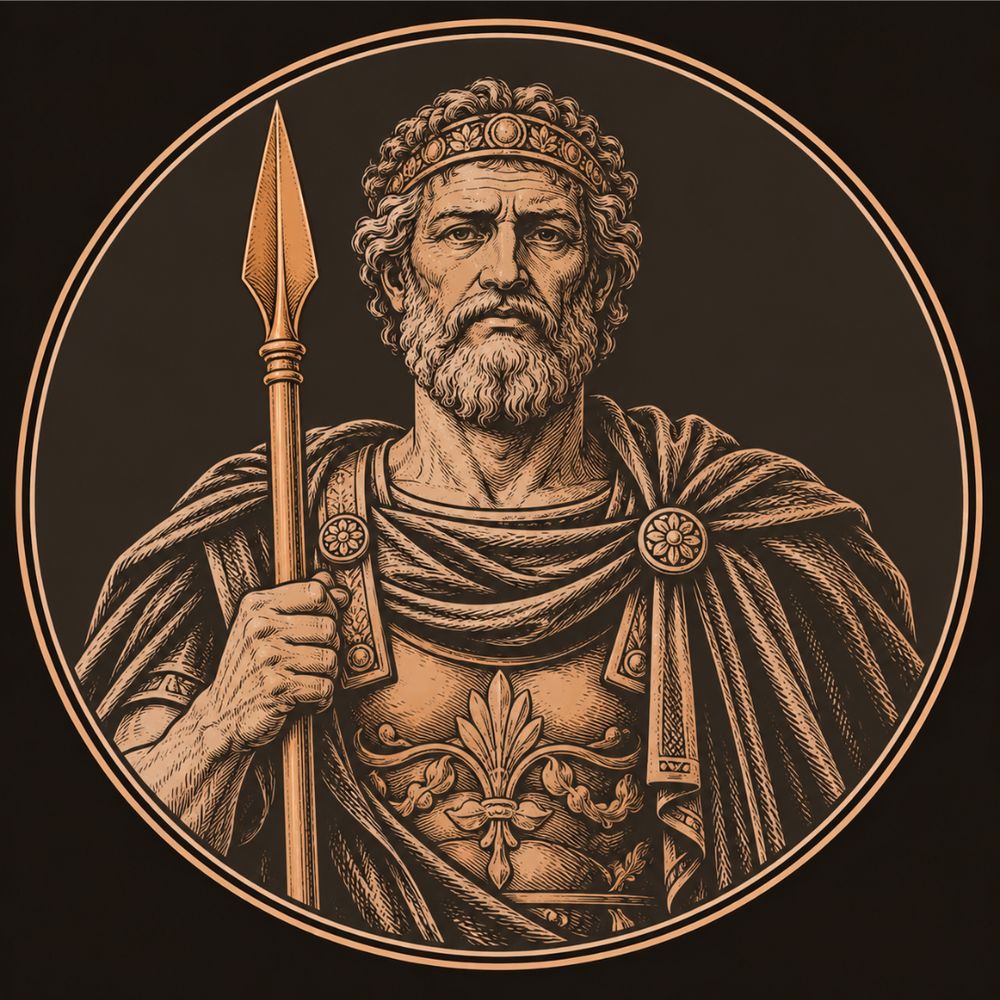
Peleus Character
Peleus is the exiled prince of Aegina who became king in Phthia, wrestled the sea goddess Thetis into marriage, and fathered Achilles.
-
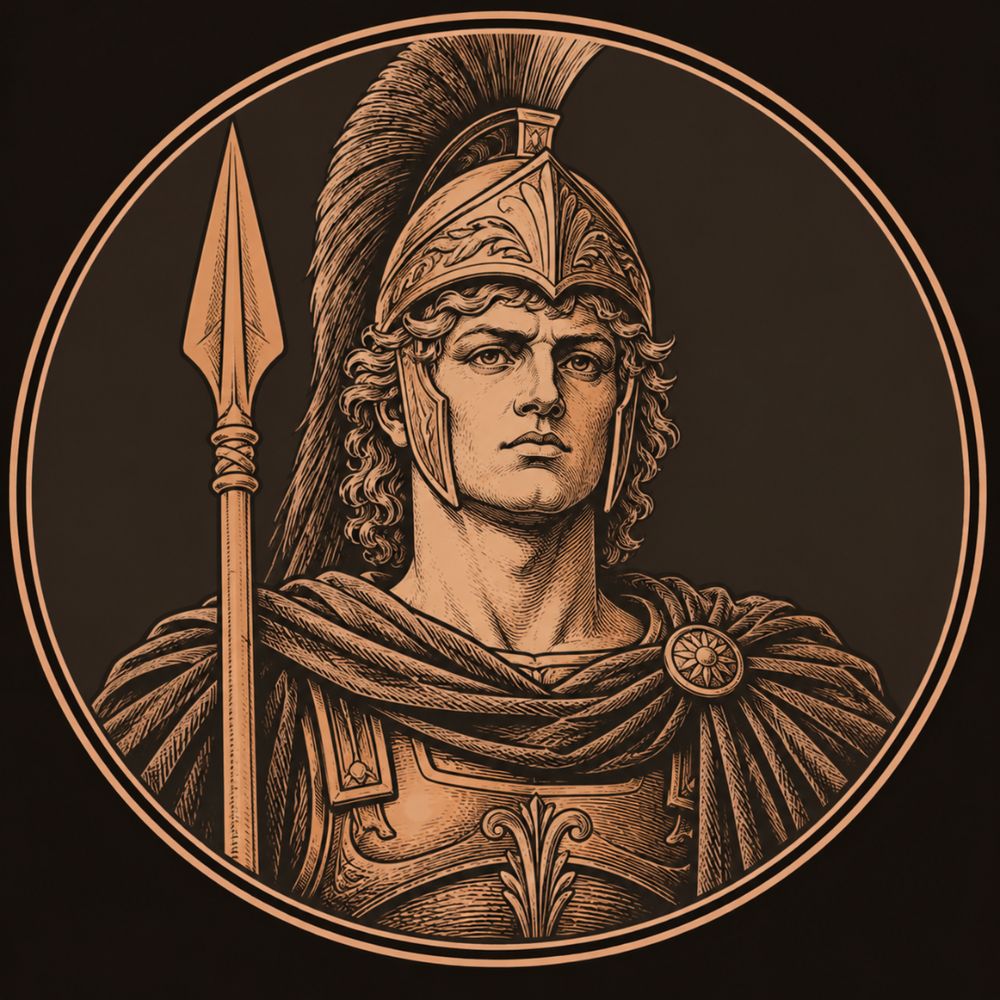
Neoptolemus Character
Neoptolemus, also called Pyrrhus, is the son of Achilles who was brought to Troy to finish his father's war, killed King Priam at an altar, and was himself killed at Delphi.
-
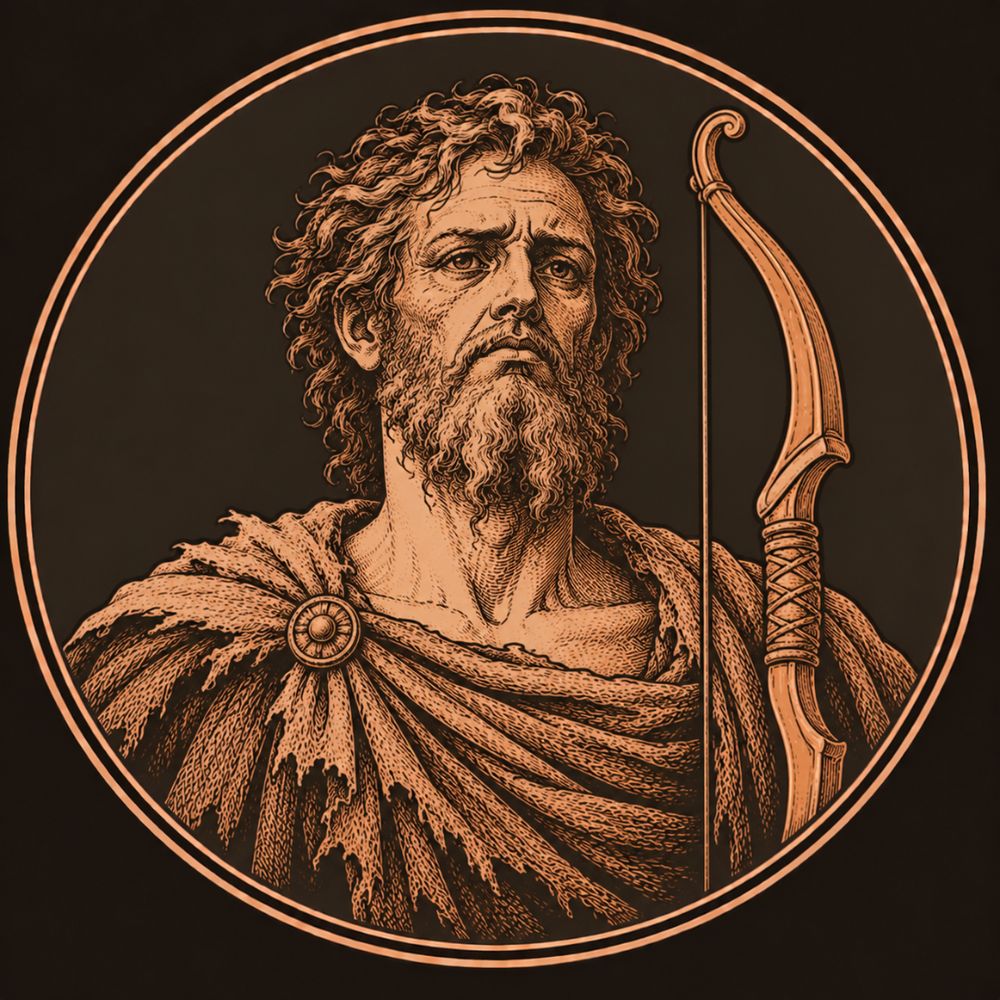
Philoctetes Character
Philoctetes is the Greek archer who inherited the bow of Heracles, was abandoned on Lemnos with a festering snakebite, and was brought back to Troy to shoot Paris.
-
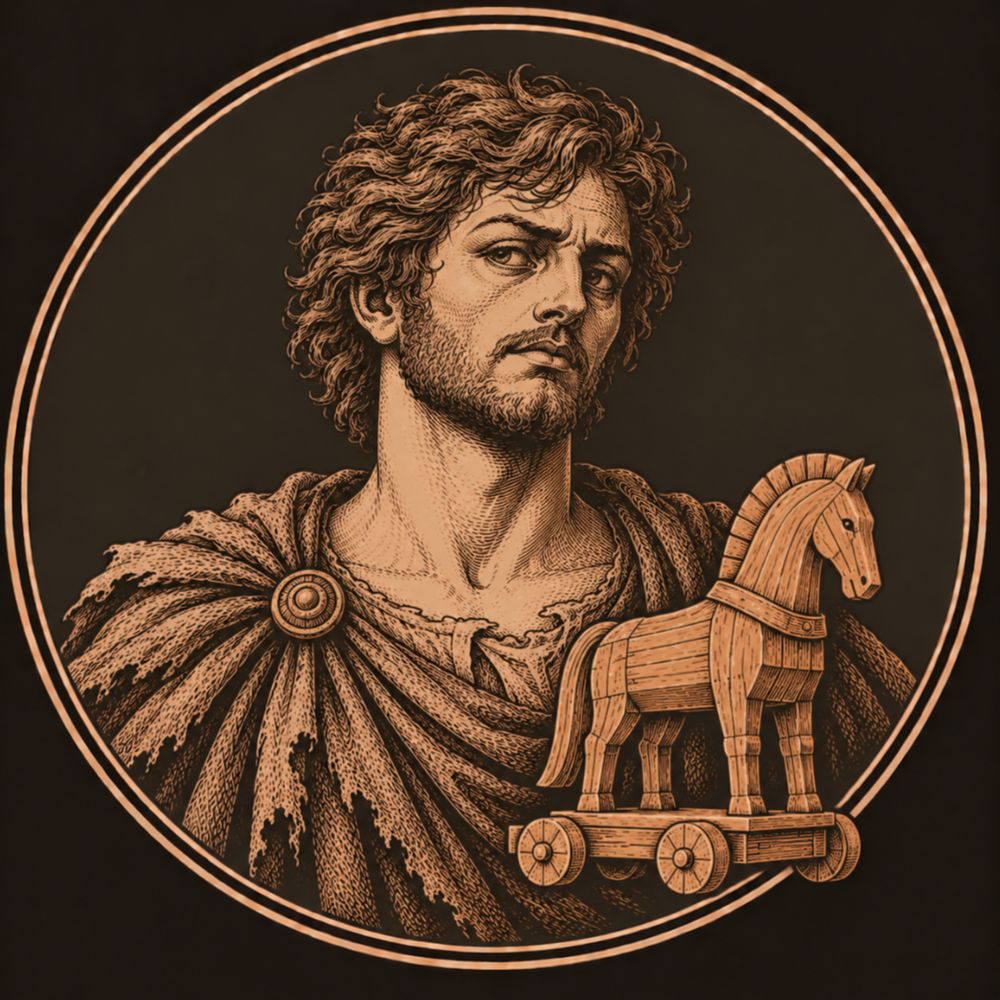
Sinon Character
Sinon is the Greek soldier left behind at Troy to persuade the Trojans to drag the wooden horse into their city.
A Greek who appears in Virgil's account of the fall of Troy and in Apollodorus. He belongs here as the trickster the war needed, not as a fighter.
-
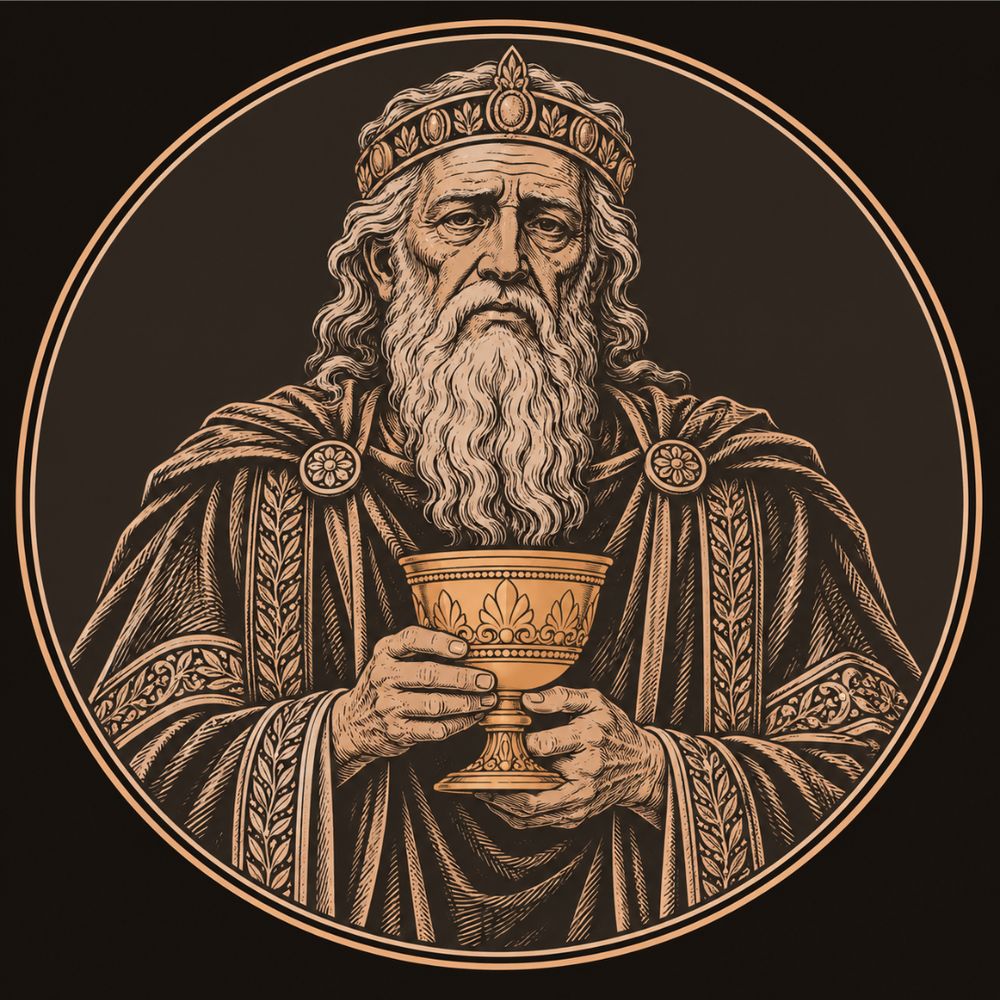
Priam Character
Priam is the last king of Troy, father of Hector and Paris, who ransomed Hector's body from Achilles and was killed when the Greeks sacked the city.
-
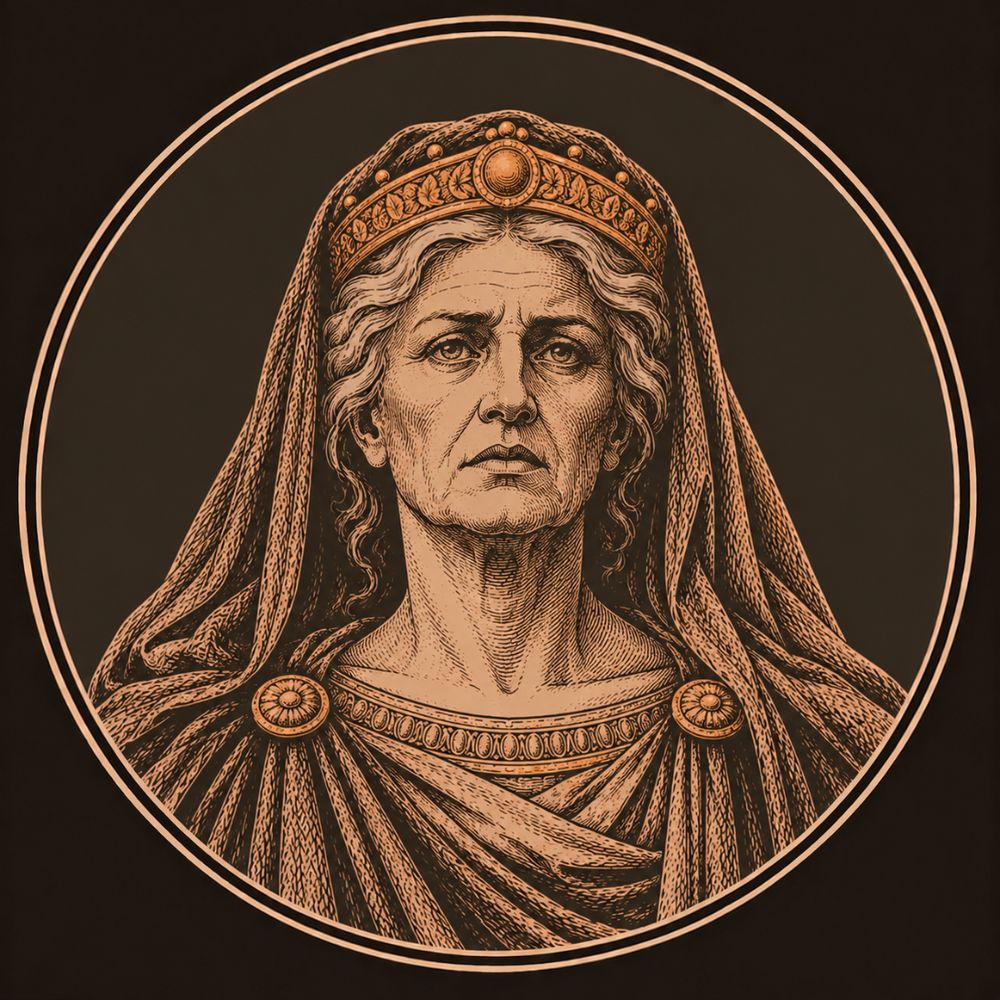
Hecuba Character
Hecuba is the queen of Troy, wife of Priam and mother of Hector and Paris, who outlived most of her children and, in later poets, was turned into a dog.
-
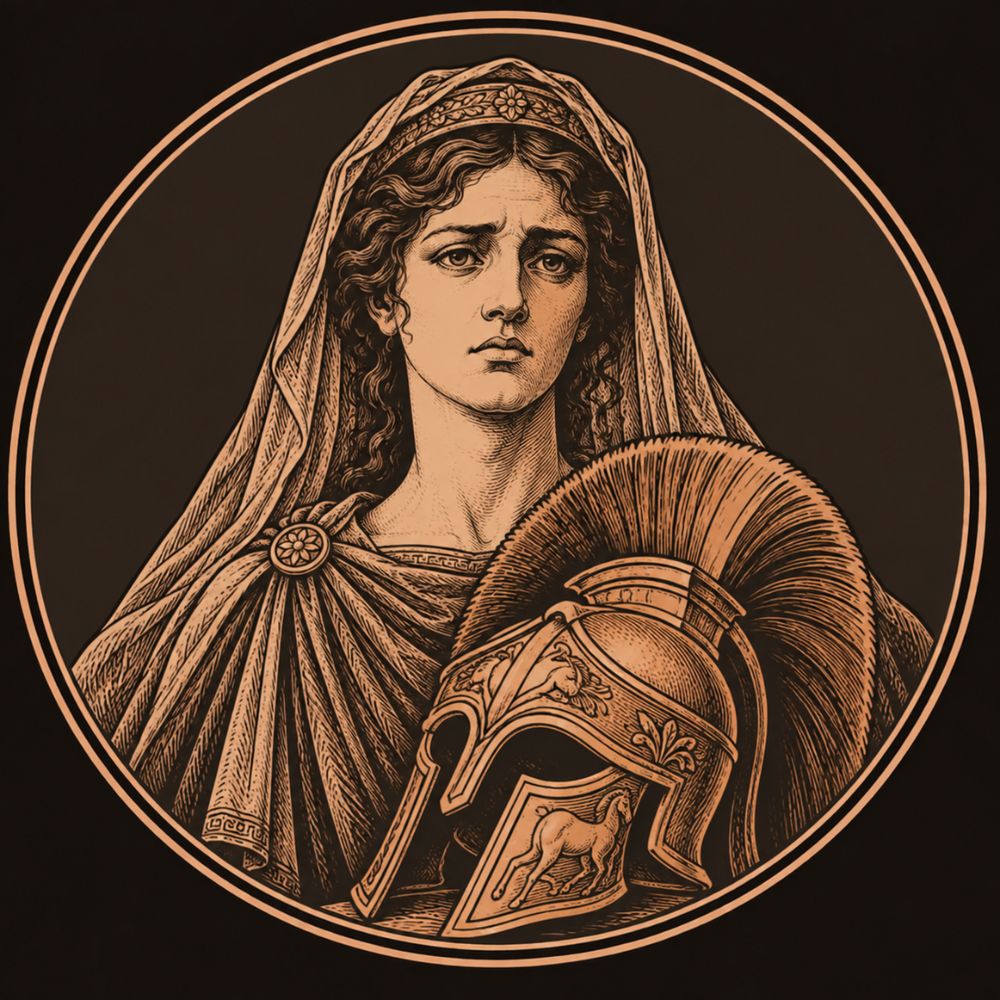
Andromache Character
Andromache is Hector's wife and the mother of Astyanax, who lost her husband and son to the Trojan War and was carried off to Greece as a captive.
-
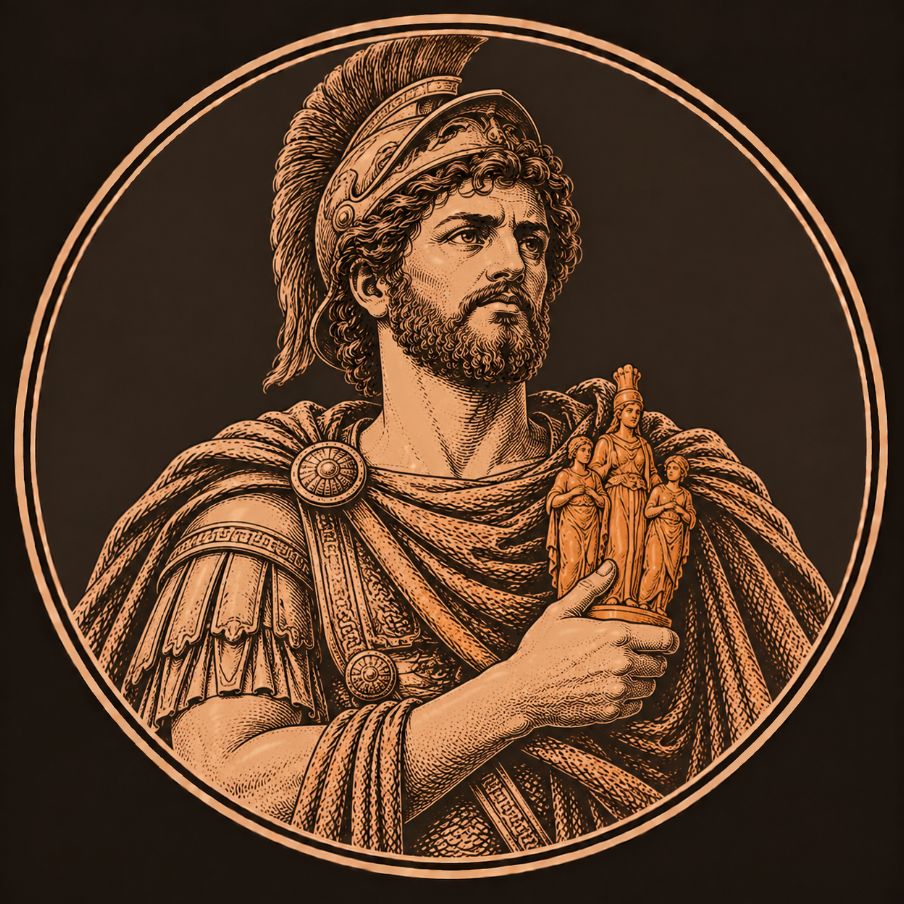
Aeneas Character
Aeneas is the Trojan son of Aphrodite and Anchises whom the gods save twice in the Iliad and whom later tradition makes the refugee ancestor of the Romans.
A Trojan hero in Homer, where Poseidon saves him in battle, and the ancestor of the Romans in later tradition. The cluster includes him on Homer's terms.
-
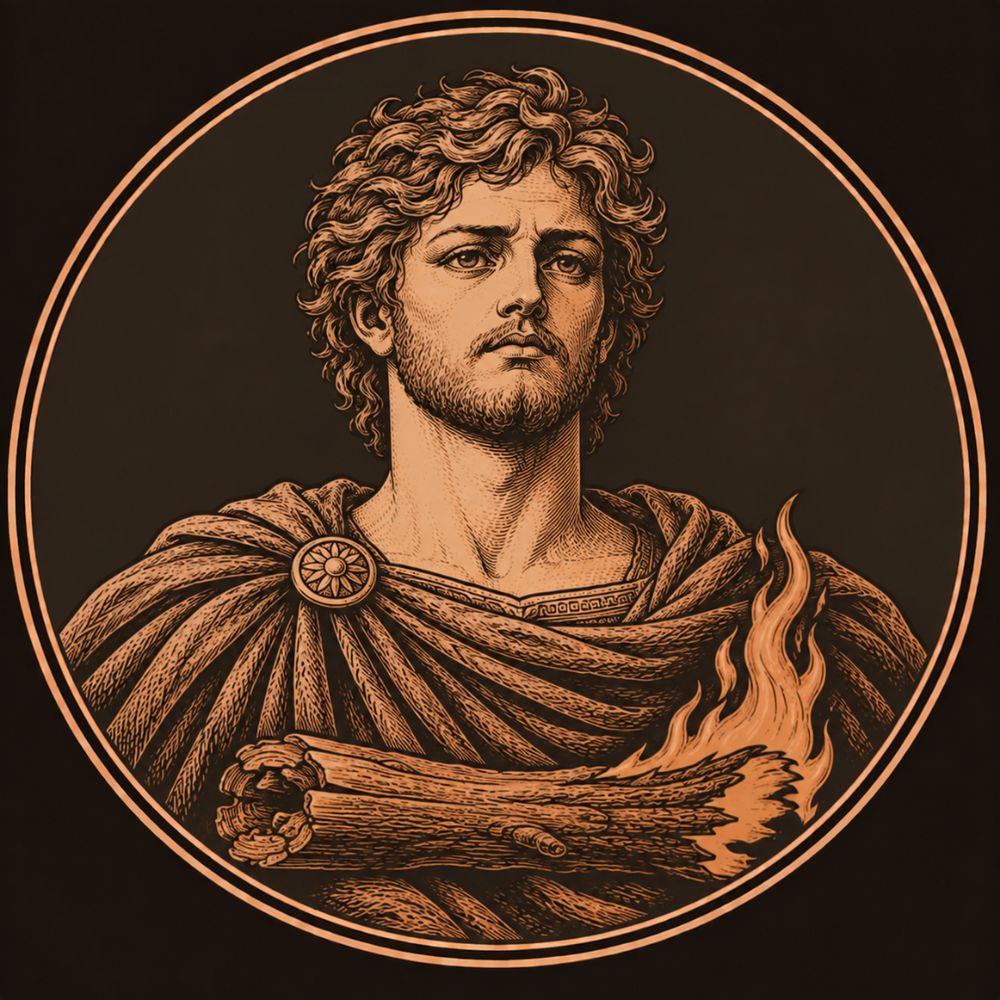
Meleager Character
Meleager is the prince of Calydon in Greek myth who killed the Calydonian boar and died through his mother's anger, by her curse in Homer and by a burning brand in later poets.
-
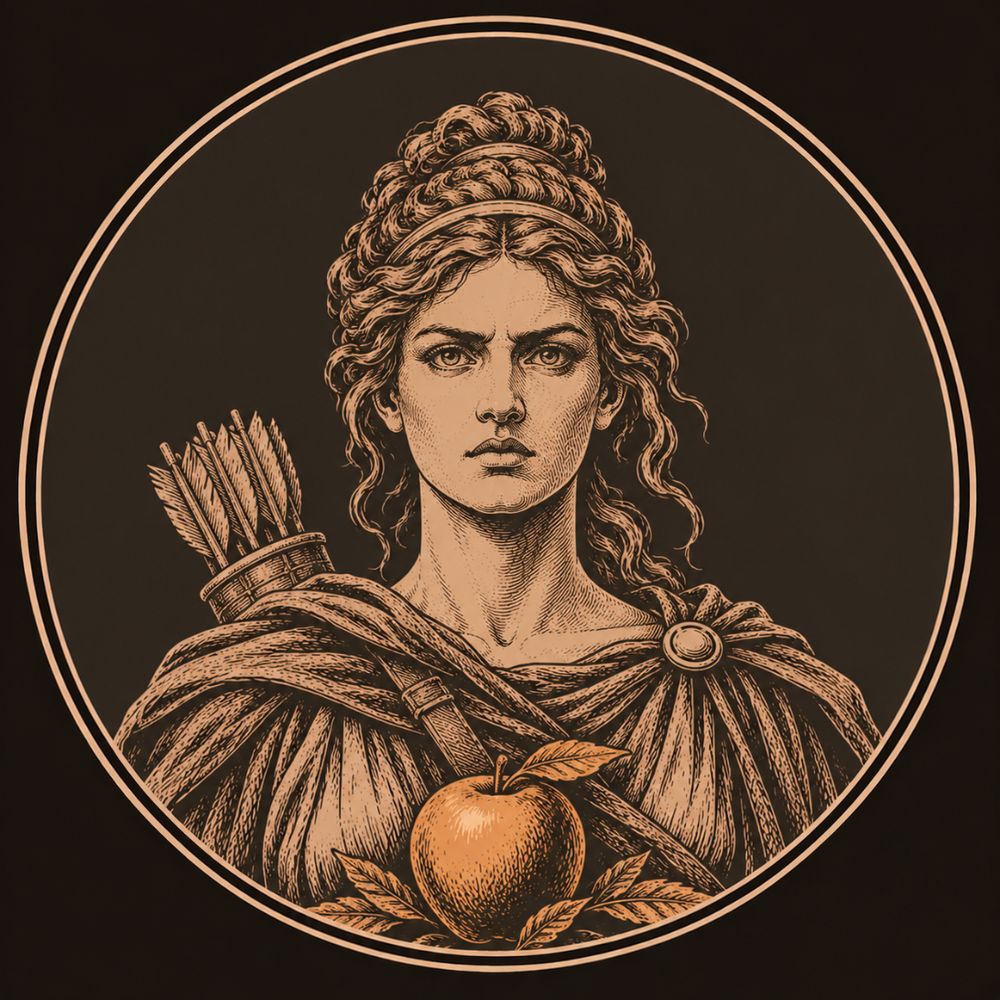
Atalanta Character
Atalanta is the Arcadian huntress of Greek myth who drew first blood on the Calydonian boar and raced her suitors until one beat her with golden apples.
-
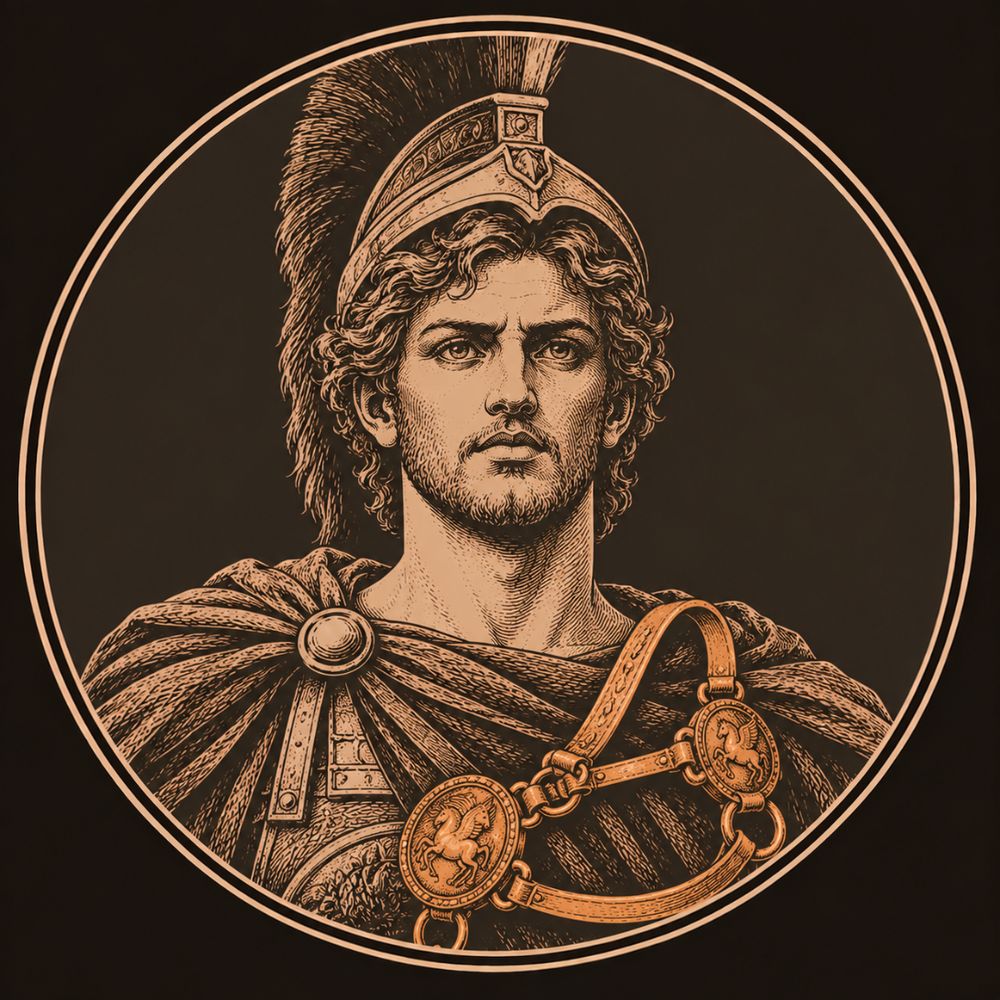
Bellerophon Character
Bellerophon is the Greek hero who, sent to Lycia to be killed, slew the fire-breathing Chimera and later, in Pindar, was thrown by Pegasus when he tried to ride up to Olympus.
-
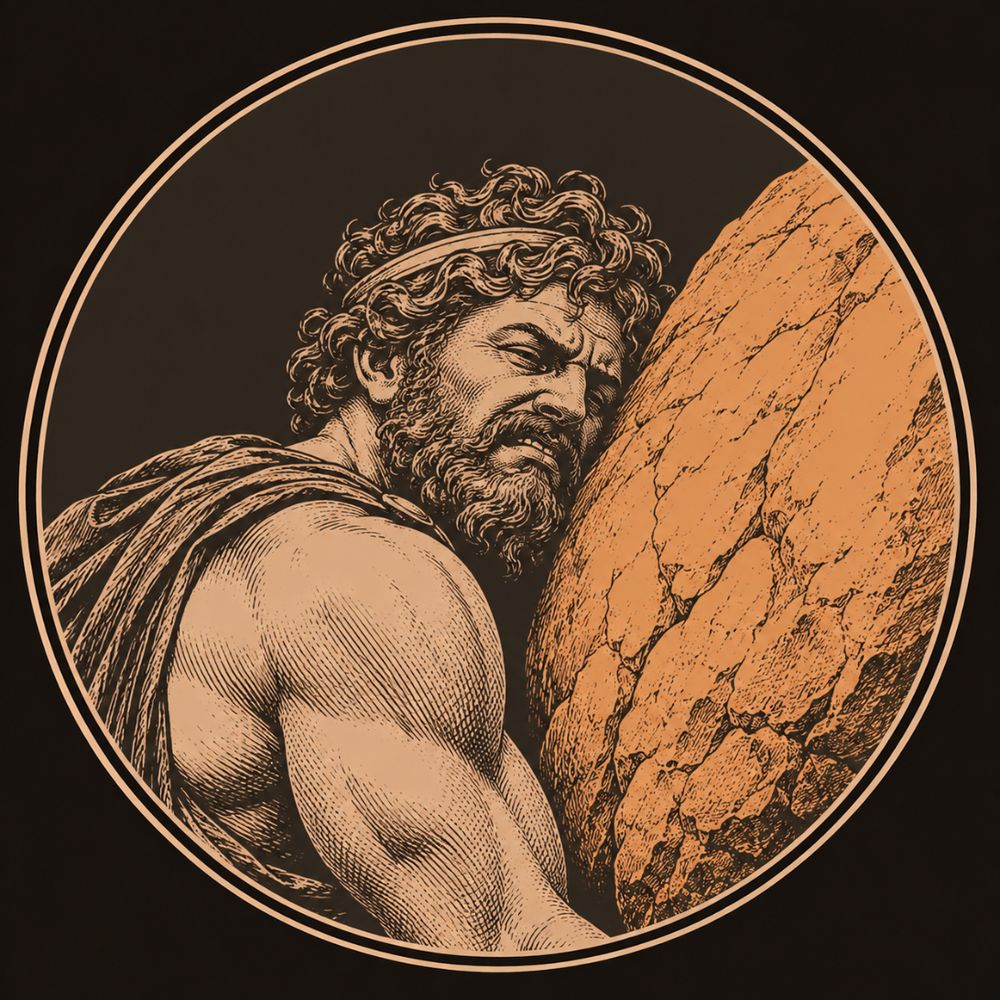
Sisyphus Character
Sisyphus is the crafty founder of Ephyra, later Corinth, condemned in Hades to push a huge stone uphill that always rolls back down.
Homer names him among the offenders punished in the underworld. He is a hero of the founding age of Corinth, not of a war.
-

Semele Character
Semele is the mortal mother of Dionysus in Greek myth, destroyed by the sight of Zeus in his full divine form before the child was born.
-
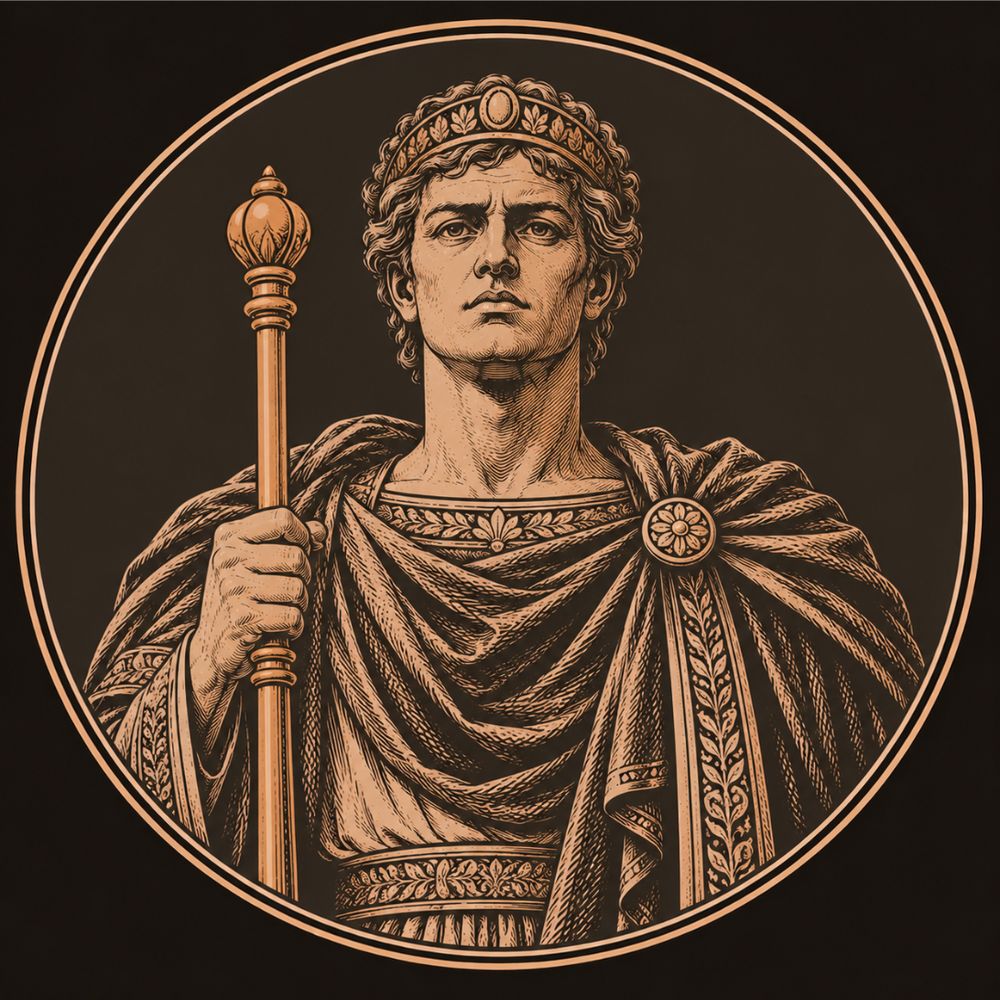
Pentheus Character
Pentheus is the young king of Thebes, grandson of Cadmus, who refused to accept his cousin Dionysus as a god and was torn apart by his own mother and aunts on Mount Cithaeron.
-
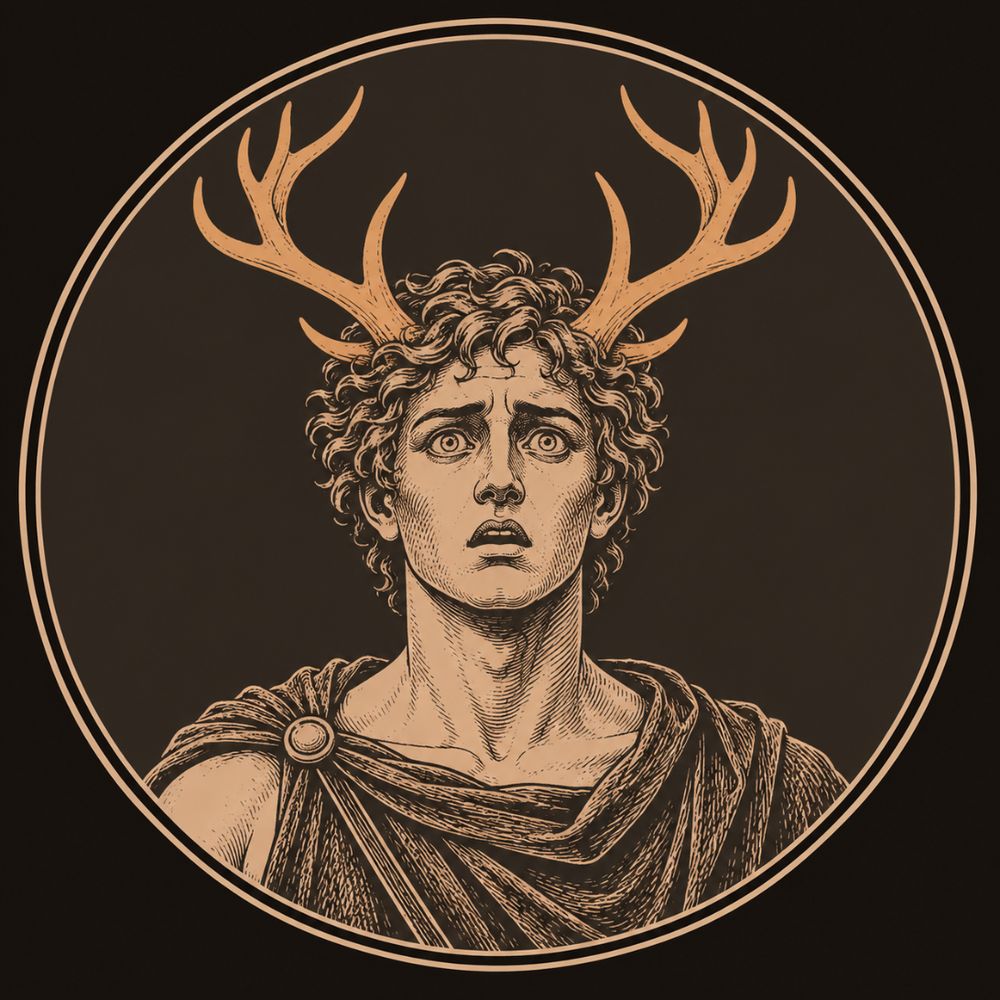
Actaeon Character
Actaeon is the Theban hunter, grandson of Cadmus, who was turned into a stag and torn apart by his own hounds after offending Artemis.
-
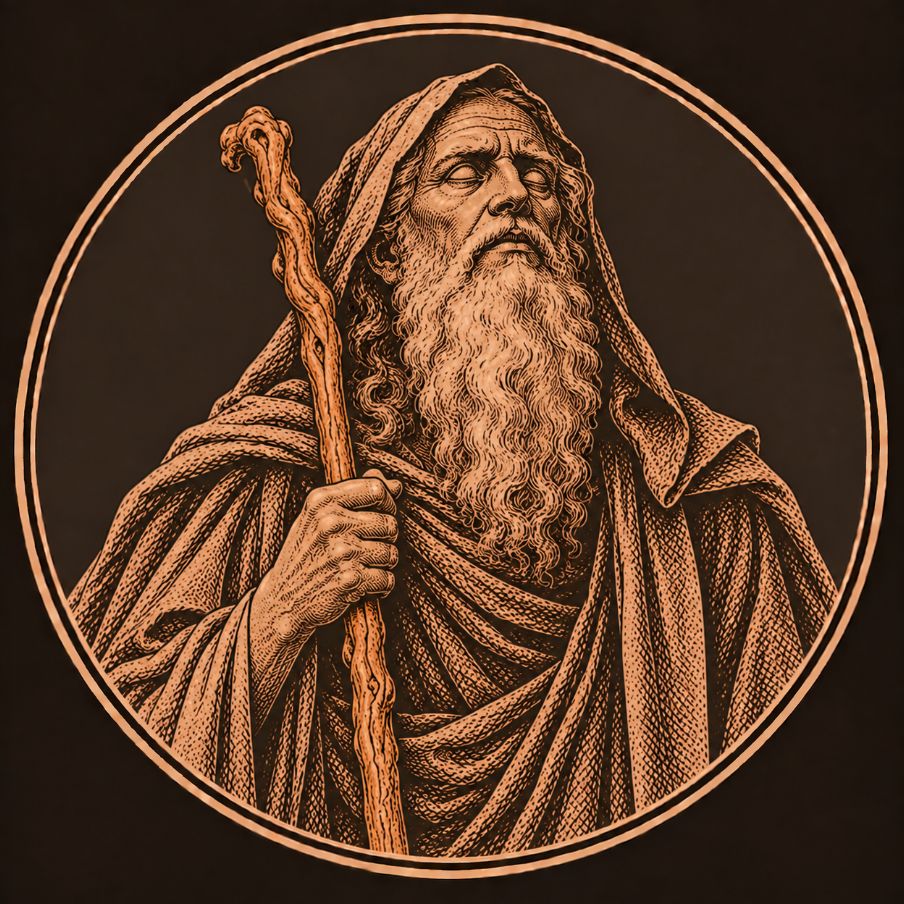
Tiresias Character
Tiresias is the blind seer of Thebes who lived as both man and woman, advised the city's kings for generations, and kept his wits among the dead.
-

Alcmene Character
Alcmene is the mortal wife of Amphitryon whom Zeus visited in her husband's likeness, becoming by him the mother of Heracles.
-
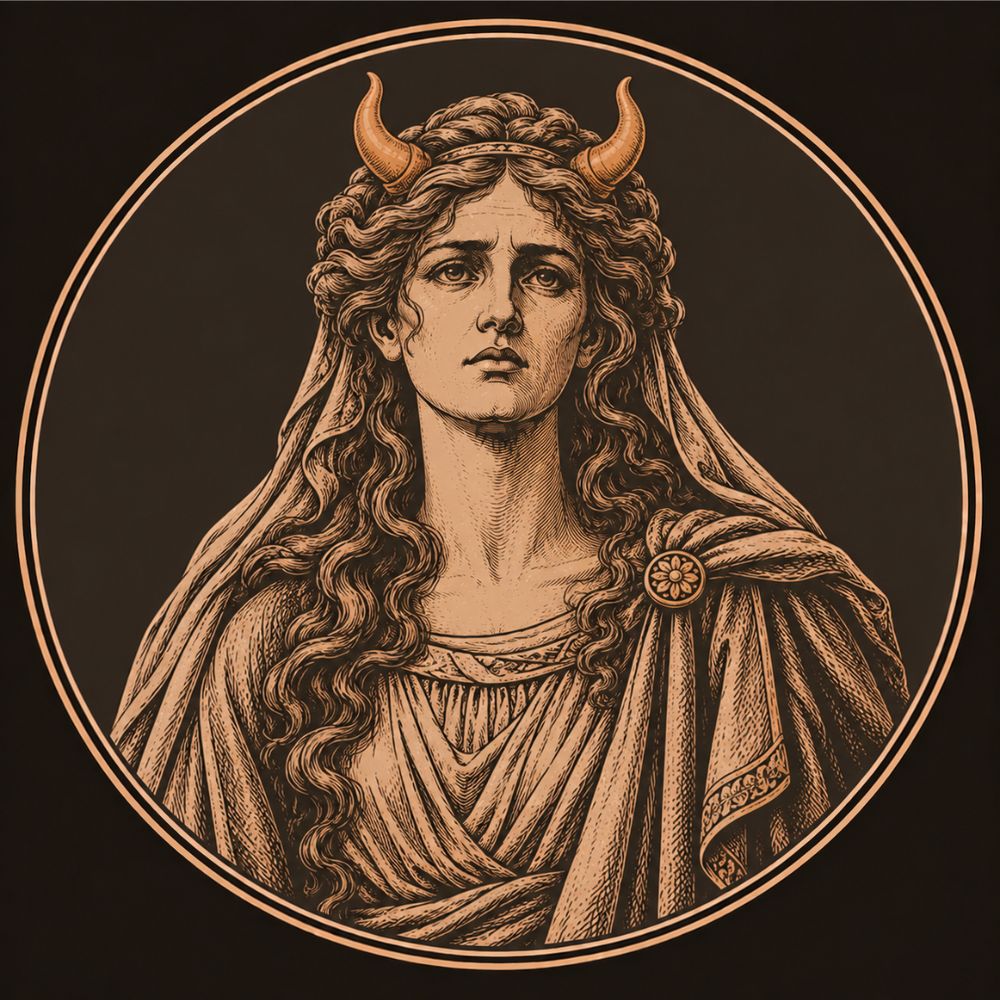
Io Character
Io is the Argive princess whom Zeus loved and who was turned into a white cow, guarded by Argus and driven by Hera's gadfly across the world to Egypt.
-
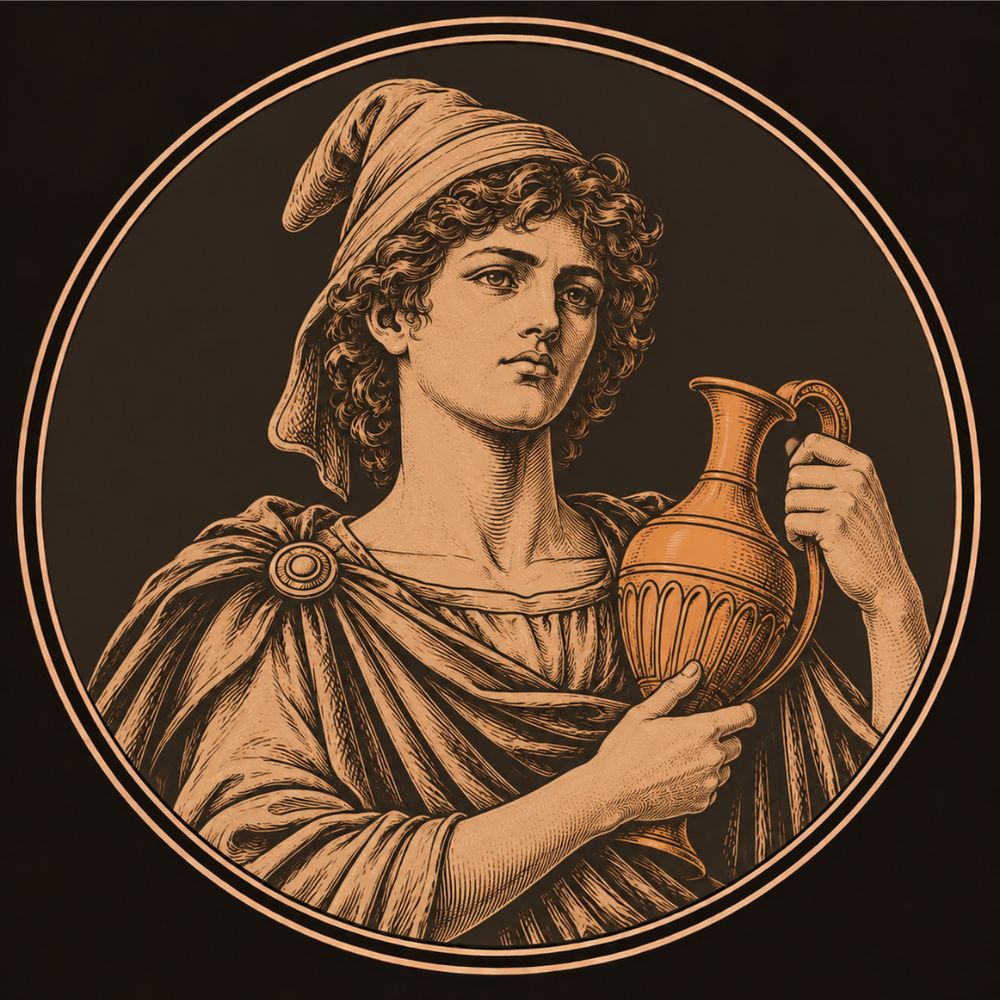
Ganymede Character
Ganymede is a prince of the Trojan royal house, carried up to Olympus for his beauty to pour wine for Zeus and made deathless and unageing.
Homer calls him the most beautiful of mortal men and says the gods carried him to Olympus. His story shows a hero's end as favor rather than death.
-
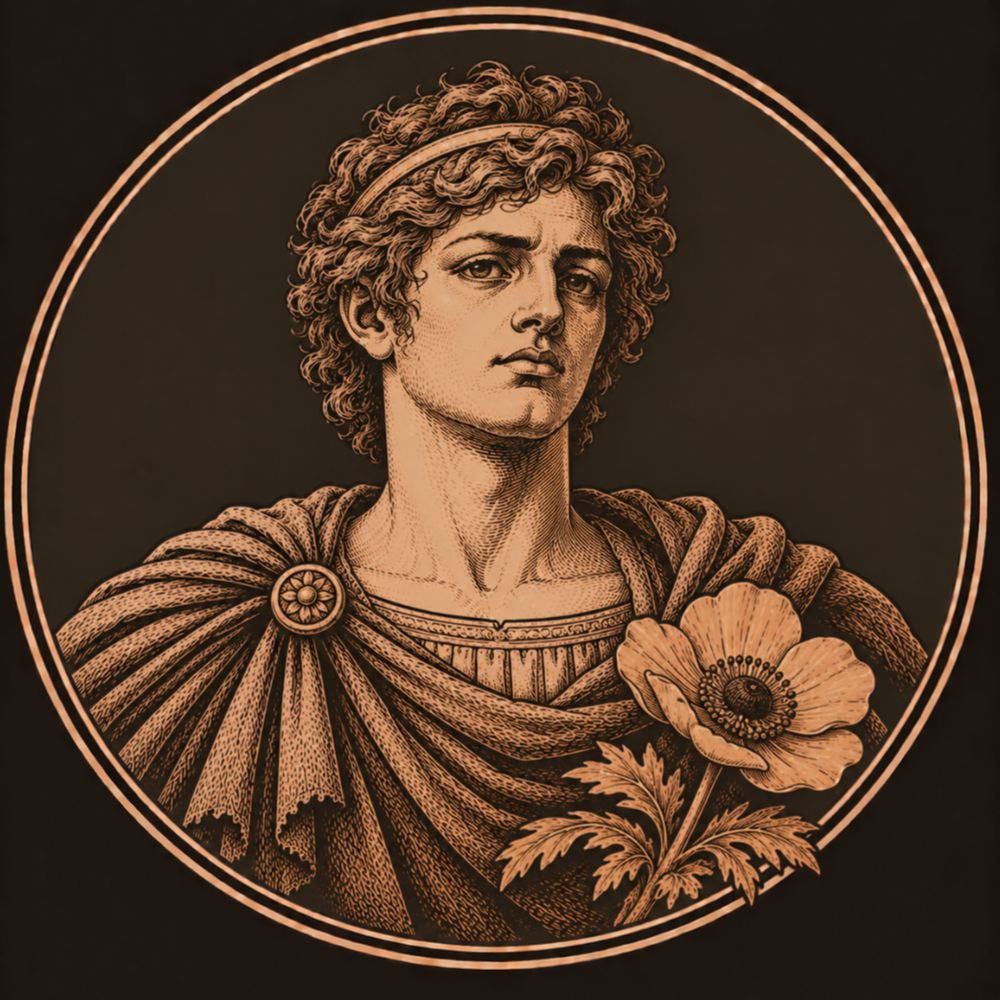
Adonis Character
Adonis is the beautiful youth loved by Aphrodite, killed by a boar while hunting and mourned each year at the Adonia festival.
-
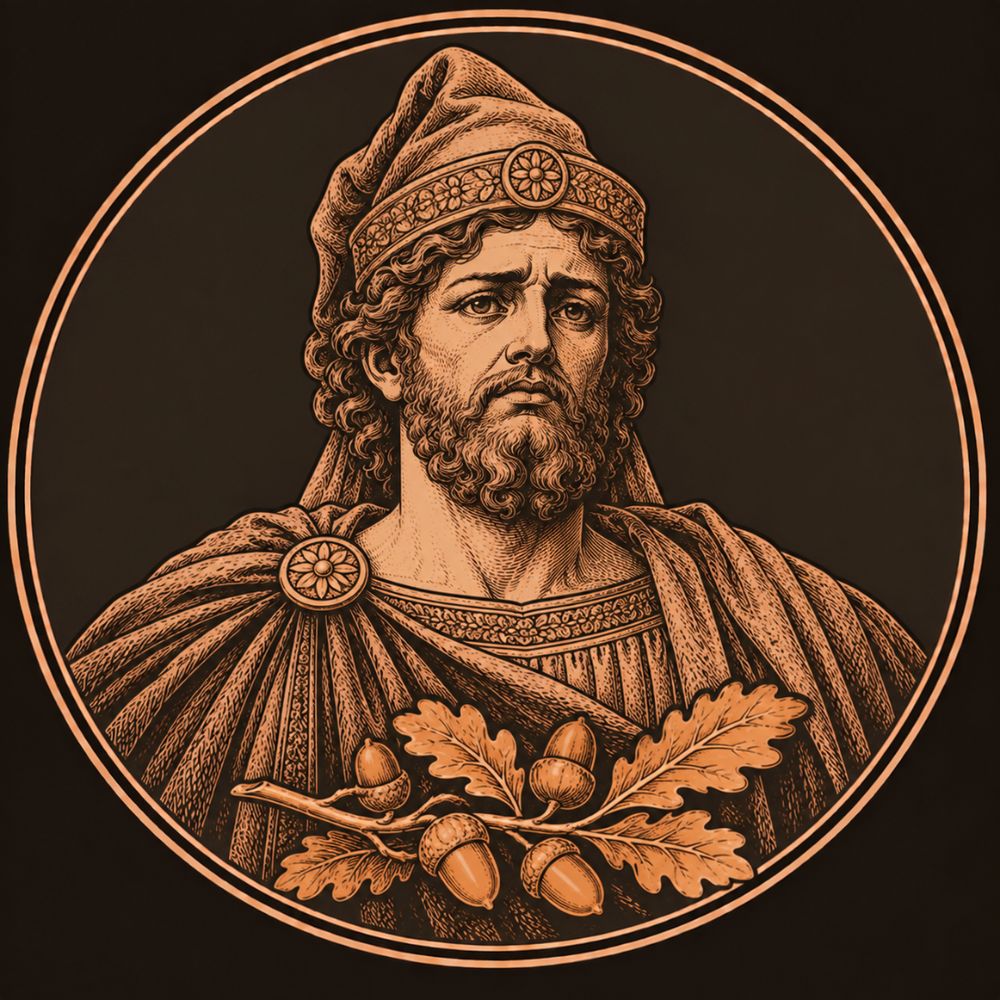
Midas Character
Midas is a king of Phrygia who asked Dionysus that everything he touched turn to gold, begged to lose the gift when his food turned to gold, and was later given ass's ears by Apollo for preferring Pan's music.
-

Daedalus Character
Daedalus is the master Athenian craftsman who built the Cretan Labyrinth and the wax-and-feather wings that killed his son Icarus.
-

Icarus Character
Icarus is the youth who flew too close to the sun on wings of wax and feathers, falling to his death.
The son in the story of Daedalus. His fall comes from his father's craft, and the two are best read together.
What made someone a hero in Greek myth?
The sources use the word in two ways. Homer applies it broadly to the warriors who fight at Troy, and the Iliad's first lines speak of the souls of heroes sent to Hades. Hesiod makes it the name of a race. In the Works and Days the heroes are a divine breed called demigods who died at Thebes and Troy, and Zeus settled some of them on the Isles of the Blessed. Neither author requires a hero to be a warrior or to have a god for a parent.
Homer, Iliad 1.1-5; Hesiod, Works and Days 156-173
How did Meleager die?
Homer and Apollodorus give different causes. In the Iliad, Phoenix says that Meleager's mother Althaea, angry that he had killed her brother, prayed that he would die, and that Meleager withdrew from the defense of Calydon in anger. Homer does not mention a firebrand. Apollodorus says the Fates told Althaea that her son would live until a burning log was consumed. She had saved the log, and she burned it after Meleager killed her brothers.
Homer, Iliad 9.538-580; Apollodorus, Library 1.8.2
Why did the gods turn against Bellerophon?
Homer gives no reason. The Iliad says only that Bellerophon was hated by all the gods and wandered alone over the Aleian plain, after the Chimera and the Amazons had been defeated. Pindar supplies the fall. In the Isthmian Ode, Pegasus throws Bellerophon when he tries to ride up to the homes of Zeus. Pindar presents this as a warning against reaching for what is beyond a mortal's lot.
Homer, Iliad 6.200-205; Pindar, Isthmian Ode 7.44-47
Why was Actaeon torn apart by his own dogs?
The ancient authors do not agree on his offense. In Euripides's Bacchae, Cadmus says Actaeon boasted that he was a better hunter than Artemis. Ovid tells it differently. In the Metamorphoses Actaeon wanders by chance into the grove where Diana is bathing, and the fault is a glimpse, not a boast. Pausanias adds a third view in his own voice, that the hounds were driven mad without any divine cause.
Euripides, Bacchae 337-340; Ovid, Metamorphoses 3.138-252; Pausanias, Description of Greece 9.2.4
How did Tiresias lose his sight?
Apollodorus records more than one account in the Library. In one, Tiresias strikes a pair of mating snakes, becomes a woman, and later is asked by Zeus and Hera which sex enjoys love more. When he answers for Zeus, Hera blinds him, and Zeus gives him the gift of prophecy in return. In another, Athena blinds him for seeing her bathing, and she cannot restore his sight but gives him the gift of understanding birds.
Apollodorus, Library 3.6.7
Where Accounts Differ
- meleager-curse-vs-brand
- actaeon-boast-vs-sight-of-artemis
- tiresias-hera-vs-athena
- Meleager's death differs by source. Homer's Iliad has his mother's curse, and Apollodorus has the burning log tied to the Fates.
- Actaeon's offense differs by source. Euripides has a boast against Artemis, Ovid has an accidental sight of the goddess bathing, and Pausanias gives a natural explanation for the dogs.
- Tiresias's blindness differs by source. Apollodorus reports a punishment from Hera after the judgment between the sexes and a separate account of a punishment by Athena.
Related Topics
Related Terms
Sources
- Homer, Iliad 1.1-5
- Homer, Iliad 6.200-205
- Homer, Iliad 9.538-580
- Hesiod, Works and Days 156-173
- Pindar, Isthmian Ode 7.44-47
- Euripides, Bacchae 337-340
- Pausanias, Description of Greece 9.2.4
- Apollodorus, Library 1.8.2
- Apollodorus, Library 3.6.7
- Timothy Gantz, Early Greek Myth (1993)
- Gregory Nagy, The Best of the Achaeans (1979)