Andromache
Andromache was the wife of the Trojan prince Hector and the mother of his son Astyanax. In Homer's Iliad she begs Hector to stay on the walls and leads the laments at his funeral. After Troy fell, the Greeks killed her son and gave her as a captive to Achilles's son Neoptolemus. Later writers marry her to Hector's brother Helenus in Epirus.
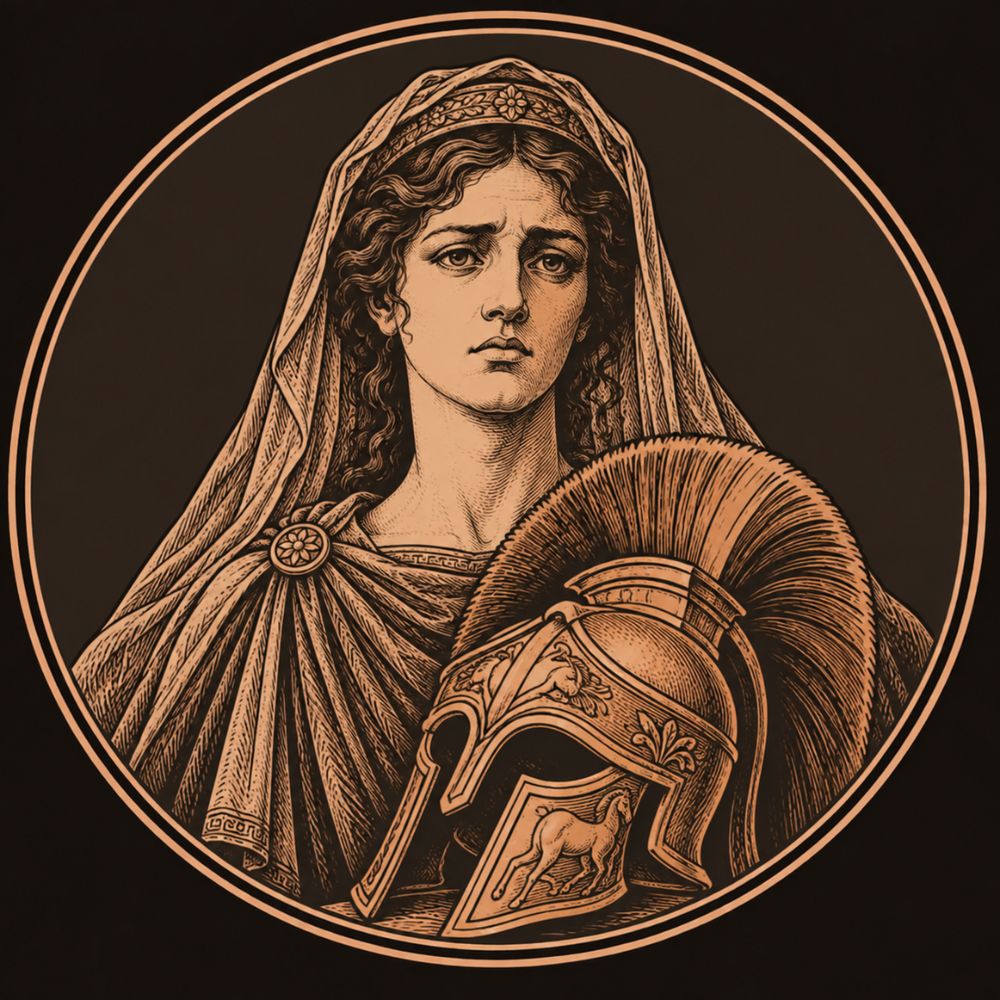
Andromache, bronze medallion illustration
Generated by AI from this page's own facts, not an ancient image or evidence of anything. How this site uses generated images
Sections on this page
Core Myth
Homer's Iliad makes Andromache the daughter of Eetion, who ruled the Cilicians at Thebe beneath wooded Placus. In Book 6, Hector comes home from the fighting and cannot find her. She has run to the wall with a nurse carrying their baby son. Hector called the boy Scamandrius, Homer says, but the Trojans called him Astyanax, because only Hector guarded Ilios.
She meets Hector at the Scaean gate and begs him not to go back out. Achilles, she says, sacked Thebe and killed her father. He did not strip Eetion's armour but burned him in it and raised a mound over him. Achilles also killed her seven brothers in one day among their cattle. He took her mother captive and freed her for a ransom, and Artemis later struck her down. So Hector is now her father, mother, brother and husband.
Hector answers that he would be ashamed to hang back from the battle. He foresees Troy's fall and says her grief troubles him more than any other. He pictures her led away to Argos, weaving at another woman's bidding and carrying water. Then he reaches for the baby, who shrinks back from his helmet's horsehair crest. Both parents laugh. Hector sets the helmet down, kisses his son and prays that the boy will one day be greater than his father. Andromache goes home, and her maids mourn Hector while he still lives.
In Book 8, Hector urges on his horses by reminding them that Andromache fed them wheat and wine before she served him. In Book 22, she is weaving a purple web and has ordered a hot bath for his return. She hears the cries from the wall, runs out, and sees Achilles's horses dragging Hector's body toward the ships. She faints and throws off her headdress, including the veil Aphrodite gave her on her wedding day. Her lament pictures Astyanax as an orphan, pushed away from other men's feasts.
When Priam brings Hector's body home in Book 24, Andromache leads the women's laments, holding her husband's head. She foresees the city's fall and her own voyage in the Greek ships. Her son, she says, will either follow her into slavery or be hurled from the wall by some Achaean. That man, she guesses, will be angry because Hector killed his brother, father or son.
What was Andromache known for?
Andromache is best known as Hector's wife in Homer's Iliad. Her farewell to him at the Scaean gate in Book 6 is one of the poem's most famous scenes. Their baby son Astyanax cries at the sight of his father's helmet, and both parents laugh. She later leads the laments at Hector's death and funeral. Euripides made her the heroine of his Andromache and a central figure of his Trojan Women, where the Greeks take her son from her.
Homer, Iliad 6.390-502
Did Andromache love Neoptolemus?
No ancient source says she did. In Euripides's Trojan Women she dreads the match. She says she must serve in the house of her husband's killers, and that opening her heart to her new master would betray Hector. In Euripides's Andromache she swears she submitted to Neoptolemus against her will and was forced to be his concubine. In Virgil's Aeneid she says she endured the pride of Achilles's son and bore him a son as his slave.
Euripides, Trojan Women 643-683
Was Andromache Greek or Trojan?
She was not Greek, and she was not born in Troy either. Homer's Iliad makes her the daughter of Eetion, king of the Cilicians at Thebe beneath wooded Placus, a city Achilles sacked. She joined the Trojan royal family by marrying Hector, son of Priam. In Euripides's Andromache she calls Thebe the glory of Asia and recalls coming to Priam's house with a rich dowry. She reached Greece only as a captive after the fall of Troy.
Euripides, Andromache 1-55
What happened to Andromache's son Astyanax?
He was thrown from the walls of Troy, but the sources disagree on who did it. In the Iliad, Andromache already fears that some Achaean will hurl him from the wall to avenge a kinsman Hector killed. In Euripides's Trojan Women, the Greeks decree his death on Odysseus's advice. Apollodorus's Epitome says the Greeks threw him from the battlements. Pausanias reports that the poet Lescheos made Neoptolemus kill the boy on his own impulse, not by a Greek decree.
Pausanias, Description of Greece 10.25.9
Who did Andromache marry after Hector?
The usual answer is two men. After Troy fell, Euripides and Apollodorus's Epitome give her as a captive to Neoptolemus, son of Achilles. She later married Hector's brother Helenus, but the sources time it differently. In Euripides's Andromache, Thetis orders the marriage after Neoptolemus dies at Delphi. Pausanias also places it after his murder. In Virgil's Aeneid, Andromache says Neoptolemus handed her to Helenus himself when he sought to marry Hermione.
Virgil, Aeneid 3.294-355
How many children did Andromache have?
The number depends on the source. Homer gives her one child, Hector's son Astyanax, whom Hector called Scamandrius. Euripides's Andromache gives her a young son by Neoptolemus, whom Thetis calls the last of the line of Aeacus. Apollodorus's Epitome names that son Molossus. Pausanias gives her three sons by Neoptolemus, Molossus, Pielus and Pergamus, and a fourth, Cestrinus, by Helenus. Pergamus, he says, founded the city named after him in Asia.
Pausanias, Description of Greece 1.11.1
Later Traditions
The Iliad ends before Troy falls, so Andromache's captivity comes from later works. Apollodorus's Epitome says the Greeks threw Astyanax from the battlements and gave Andromache to Neoptolemus, son of Achilles, as a special award. In Euripides's Trojan Women, the herald Talthybius tells Hecuba the same allotment. Andromache herself says her name as a model wife reached the Greek army and ruined her. Achilles's son wanted her, and she must now serve in the house of the men who killed her husband.
Talthybius then brings worse news. Odysseus has told the assembled Greeks that so brave a father's son must not be raised, and the boy is to be thrown from Troy's battlements. Later in the play, the herald reports that Neoptolemus has sailed in haste after hearing that Acastus banished his grandfather Peleus. Andromache sailed with him. She begged leave to bury her son in Hector's shield, and left the body to Hecuba to prepare.
Euripides's Andromache is set in Thessaly, beside a shrine of Thetis. Andromache has borne a son to Neoptolemus, who has since married Hermione of Sparta. Hermione accuses her of secret spells that make her barren, and Andromache swears she submitted to her master against her will. She answers that for Hector's sake she even nursed his children by other women. Hermione's father Menelaus seizes the boy and threatens to kill him unless Andromache leaves the altar. She gives herself up to save him. Old Peleus arrives in time and stops Menelaus.
At the play's end, Thetis reports that Neoptolemus died at Delphi at the hand of Orestes. She orders Andromache to live in the Molossian land, lawfully married to Helenus, Hector's brother. Her boy, Thetis says, is the last of the line of Aeacus, and a succession of Molossian kings will come from him.
Virgil's Aeneid shows her in that new life. In Book 3, Aeneas learns that Helenus rules Greek cities and has married Pyrrhus's queen. He finds Andromache outside the city, pouring offerings at an empty tomb she built for Hector beside a copy of the river Simois. She tells him she bore Pyrrhus a son as his slave. When Pyrrhus sought Hermione, he handed Andromache to Helenus, slave to slave. Orestes later killed Pyrrhus at his own hearth, and part of his kingdom passed to Helenus.
Pausanias gives her later family in most detail. He says Pyrrhus, another name for Neoptolemus, settled in Epirus because of Helenus's oracles and had three sons by Andromache: Molossus, Pielus and Pergamus. After Pyrrhus was murdered at Delphi, Helenus married her and had a son, Cestrinus. Pergamus later crossed into Asia, killed the ruler of Teuthrania, and gave his name to the city of Pergamus. Andromache went with him, and Pausanias says she still had a shrine there.
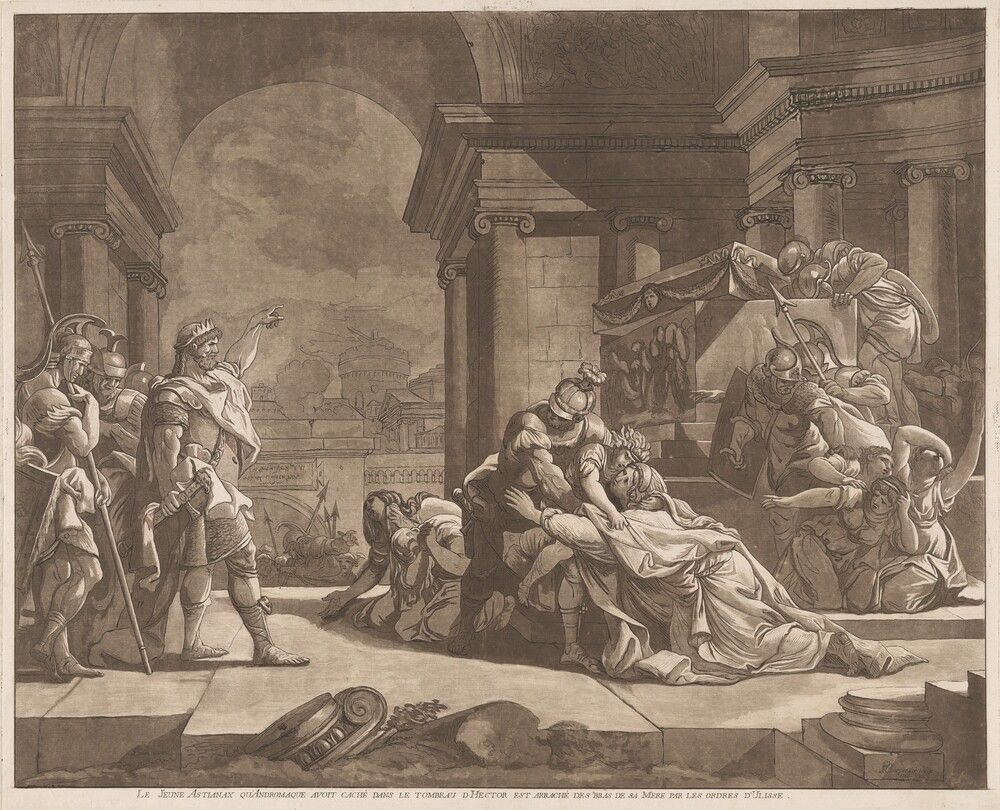
Le Jeune Astianax qu’Andromaque avoit caché dans le tombeau d’Hector est arraché des bras de sa Mere par les ordres d'Ulisse (Young Astianax, who Andromache Hid in Hector's Tomb, is Seized from his Mother's Arms by Ulysses' Orders) - François-Philippe Charpentier, after Gabriel François Doyen, 1766, etching and aquatint on laid paper
National Gallery of Art, Washington, DC, 2018.91.26. CC0
Also Connected
7 recorded connections, each with the ancient line behind it.
Allies
-
In Euripides's Andromache, the aged Peleus arrives in time to stop Menelaus from killing Andromache and her son.
Enemies
-

Achilles sacked Thebe, killed Andromache's father Eetion and her seven brothers, and took her mother captive before ransoming her.
-
In Euripides's Andromache, Menelaus seizes her son and forces her to leave the shrine of Thetis by threatening to kill the child in her place.
Connected
-
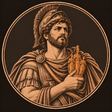
In the Aeneid, Aeneas finds Andromache in Epirus pouring offerings at an empty tomb of Hector, and she tells him how she came to be Helenus's wife.
-
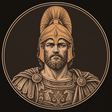
Andromache is Hector's wife. At the Scaean gate she begs him to stay on the wall, telling him he is now her father, mother, brother and husband.
-
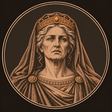
Hecuba is Andromache's mother-in-law. Forced to sail with Neoptolemus, Andromache leaves the body of her son Astyanax to Hecuba to prepare for burial in Hector's shield.
-
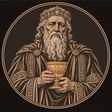
Andromache came from Thebe to Priam's house with a rich dowry as Hector's bride, and so became Priam's daughter-in-law.
Where Accounts Differ
- who killed Astyanax
- when Andromache married Helenus
- Andromache's sons by Neoptolemus
- where Andromache went with Neoptolemus
- how Neoptolemus died
- Who killed Astyanax differs. In the Iliad (24.723-745) Andromache only fears that some Achaean will hurl him from the wall. Euripides (Trojan Women 709-739) has the Greeks decree it on Odysseus's advice. Apollodorus (Epitome 5.23) says the Greeks threw him from the battlements. Pausanias (10.25.9) reports that Lescheos made Neoptolemus do it of his own accord. Ovid (Metamorphoses 13.399-428) has him hurled from a tower without naming the killer.
- When Andromache married Helenus differs. Euripides (Andromache 1231-1252) has Thetis order the marriage after Orestes kills Neoptolemus at Delphi, and Pausanias (1.11.1) also places it after the murder. Virgil (Aeneid 3.294-355) has Neoptolemus hand her to Helenus while he still lives, when he seeks Hermione. Apollodorus (Epitome 6.13) instead says Neoptolemus gave Helenus his own mother Deidamia as a wife.
- Her children by Neoptolemus differ. Euripides (Andromache 1231-1252) has one young son, the last of Aeacus's line. Apollodorus (Epitome 6.12) names a son Molossus. Pausanias (1.11.1) names three, Molossus, Pielus and Pergamus, and adds Cestrinus as her son by Helenus.
- Where she went with Neoptolemus differs. In Euripides's Trojan Women (1123-1146) he sails for Phthia, and his Andromache (1-55) is set on the borders of Phthia and Pharsalus in Thessaly. Pausanias (1.11.1) says Pyrrhus sailed to Epirus instead of returning to Thessaly, and Apollodorus (Epitome 6.12) has him go by land to the Molossians with Helenus.
- How Neoptolemus died, which freed Andromache to marry Helenus, is told differently. Euripides (Andromache 1231-1252) has Thetis name Orestes as his killer at Delphi. Virgil (Aeneid 3.294-355) has Orestes kill him at his own hearth. Pausanias (1.11.1) says only that he was murdered at Delphi.
Read the full source verification →
Mythology
Appears In
Referenced By
Sources
- Homer, Iliad 6.390-502
- Homer, Iliad 6.414-428
- Homer, Iliad 8.184-197
- Homer, Iliad 22.437-515
- Homer, Iliad 24.723-745
- Euripides, Andromache 1-55
- Euripides, Andromache 205-231
- Euripides, Andromache 309-420
- Euripides, Andromache 545-610
- Euripides, Andromache 1231-1252
- Euripides, Trojan Women 271-278
- Euripides, Trojan Women 643-683
- Euripides, Trojan Women 709-739
- Euripides, Trojan Women 1123-1146
- Apollodorus, Epitome 5.23
- Apollodorus, Epitome 6.12
- Apollodorus, Epitome 6.13
- Virgil, Aeneid 3.294-355
- Ovid, Metamorphoses 13.399-428
- Pausanias, Description of Greece 1.11.1
- Pausanias, Description of Greece 1.11.2
- Pausanias, Description of Greece 10.25.9