The Roman Gods: The Capitoline Triad, the Twelve and the Older Cults
The Roman gods are the deities of Rome's state religion. They fall into the Capitoline Triad of Jupiter, Juno and Minerva, the twelve gods Livy sets on six couches in 217 BCE, older Latin gods such as Janus and Saturn, and cults Rome brought in, such as Cybele in 204 BCE. Many match Greek gods, but Janus has no Greek counterpart.
Sections on this page
Overview
Rome's state religion centred on three gods who shared one temple on the Capitoline Hill. Livy says the last Tarquin king began the temple of Jupiter on the Tarpeian Mount (Ab Urbe Condita 1.55). Jupiter was its lord, and Juno and Minerva shared the building with him. Romans matched Jupiter with the Greek Zeus, and the pair is set side by side in Zeus and Jupiter.
Livy fixes the wider circle in 217 BCE. At a lectisternium, a banquet laid out for the gods on couches, six couches were displayed: one for Jupiter and Juno, a second for Neptune and Minerva, a third for Mars and Venus, a fourth for Apollo and Diana, a fifth for Vulcan and Vesta and a sixth for Mercury and Ceres (Ab Urbe Condita 22.10.9). The twelve are usually called the Dii Consentes, a name the passage itself does not use. The three gods of the Capitol are among them. Most have a Greek match with its own comparison, such as Athena and Minerva. Apollo is the exception, since Cicero's speaker calls his name Greek (De Natura Deorum 2.67) and Rome took him over under it.
Older gods stand outside that list. Janus is the god with whom every sacrifice begins in Cicero's account (De Natura Deorum 2.67), and Ovid's Janus says Greece has no god to match him. Varro calls Saturn and Ops the chief gods of Latium (De Lingua Latina 5.57), and Livy records the cult of Fortuna Muliebris (Ab Urbe Condita 2.40.12). The underworld king belongs here only in part. Cicero gives his Latin name as Dis and his Greek name as Plouton (De Natura Deorum 2.66), and the Romans came to call him Pluto, as the comparison of Hades and Pluto shows.
The last group came in from outside, and Roman writers recorded when. Livy says the Sibylline Books called for the Idaean Mother to be fetched from Pessinus, and that the goddess was received at Ostia in 204 BCE (Ab Urbe Condita 29.10-29.14). That goddess is Cybele. Bacchus came through the Greek Dionysus and the Italian Liber, and the Senate suppressed his secret societies in 186 BCE (Ab Urbe Condita 39.8-39.19), a case set out in Dionysus and Bacchus. Proserpina and Cupid reach the Roman page mainly through poetry, in Ovid's story of Ceres's daughter taken in Sicily (Metamorphoses 5.363-384) and in Virgil's Cupid, who takes the shape of Ascanius (Aeneid 1.657-688).
In This Topic (21)
-

Jupiter Character
Jupiter is the Roman king of the gods, equivalent to the Greek Zeus.
The first couch in Livy's list of 217 BCE, and the god of the Capitoline temple that the other two members of the Triad share.
-

Juno Character
Juno is the Roman queen of the gods and a member of the Capitoline Triad, equivalent to the Greek Hera.
-

Minerva Character
Minerva is the Roman goddess of wisdom and strategic warfare, equivalent to the Greek Athena.
-

Neptune Character
Neptune is the Roman god of the sea and, distinctly, of horses, equivalent to the Greek Poseidon.
Livy gives him the second couch, paired with Minerva, not with a consort of his own.
-

Venus Character
Venus is the Roman goddess of love and, distinctly, the mythical ancestor of the Julian family through her son Aeneas, equivalent to the Greek Aphrodite.
-

Mars Character
Mars is Rome's second most important state god, father of Romulus and patron of the legions, equivalent to the Greek Ares.
-
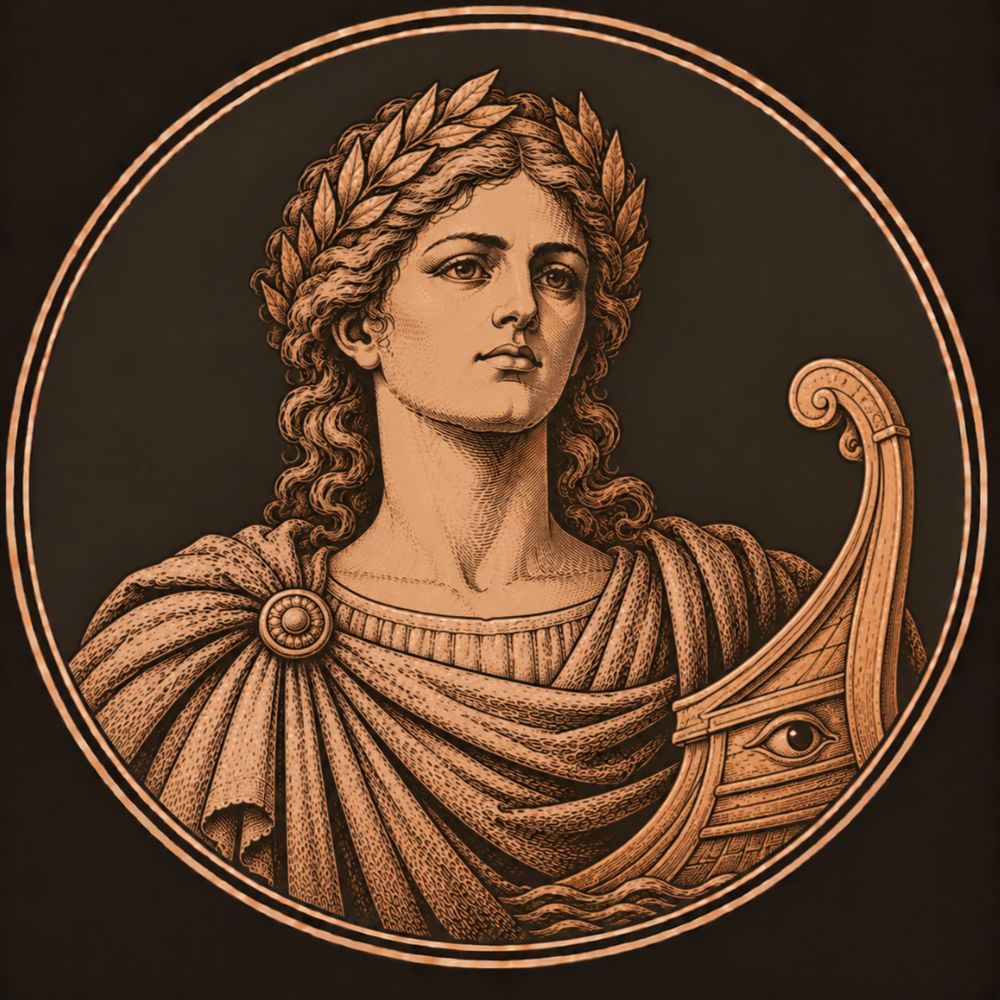
Apollo in Rome Character
Apollo in Roman religion is the one major Greek god Rome took over under his Greek name, honoured as a healer, a source of oracles and the patron of Augustus.
The one god of the twelve whose Greek name Rome kept unchanged, so the Greek-Roman comparison pages have no entry for him.
-

Diana Character
Diana is the Roman goddess of the hunt, the moon, and wild places, equivalent to the Greek Artemis.
-

Vulcan Character
Vulcan is the Roman god of fire and the forge, equivalent to the Greek Hephaestus.
-
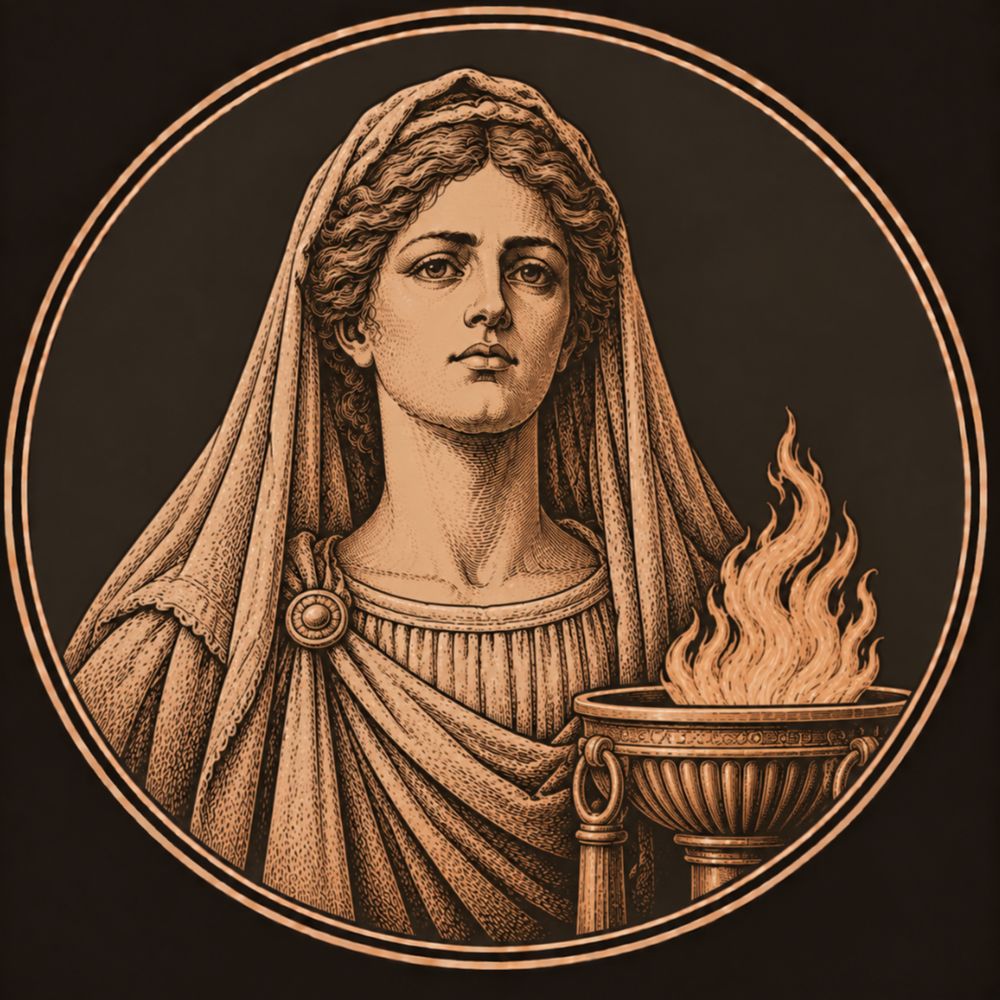
Vesta Character
Vesta is the Roman goddess of the hearth, whose sacred fire the Vestal Virgins kept burning in Rome.
Paired with Vulcan on the fifth couch. Cicero's speaker says her name comes from the Greeks, from Hestia, though her hearth cult was kept by Roman priestesses.
-

Mercury Character
Mercury is the Roman god of merchants, trade, and travelers, equivalent to the Greek Hermes.
Livy pairs him with Ceres on the sixth couch, the last of the twelve.
-

Ceres Character
Ceres is the Roman goddess of grain and agriculture, equivalent to the Greek Demeter, and patron goddess of Rome's common people.
-
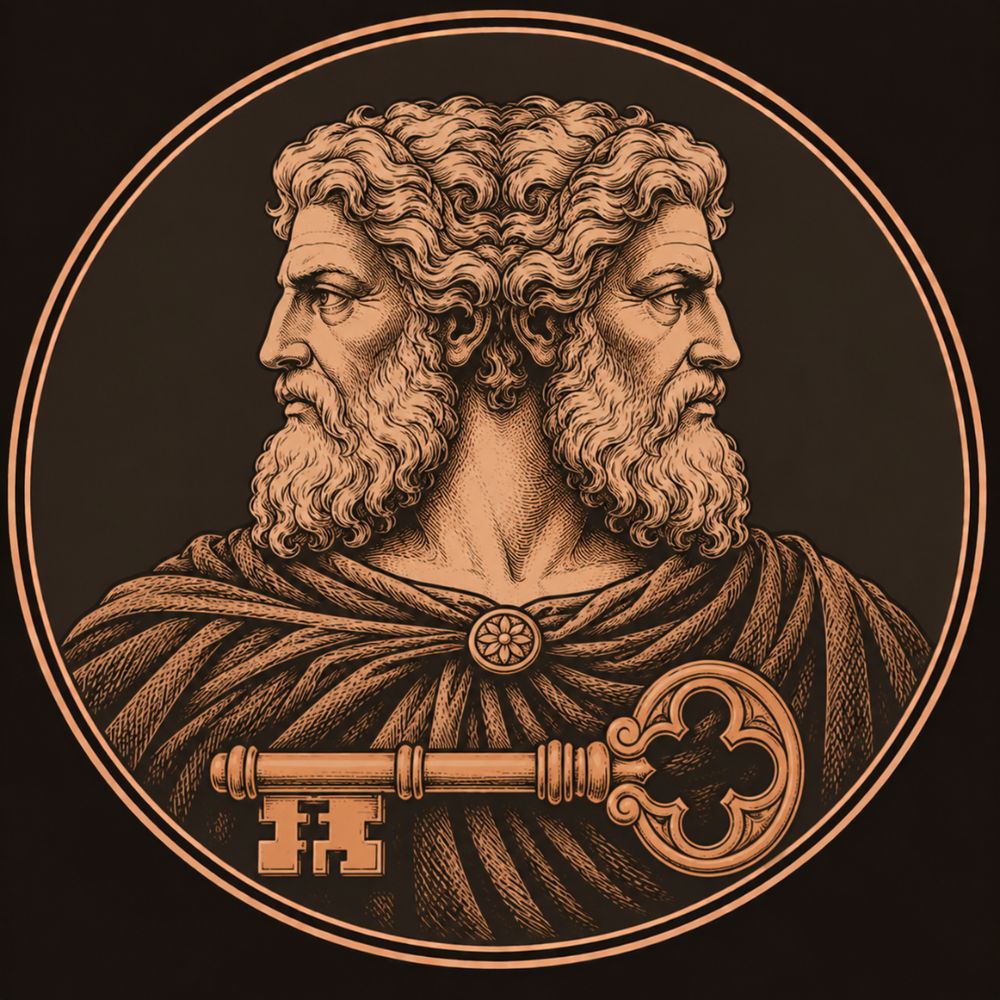
Janus Character
Janus is the two-faced Roman god of doorways, gates and beginnings, whose shrine stood open in war and shut in peace.
Not among the twelve of 217 BCE, but first in every sacrifice. Ovid's Janus says Greece has no god to match him.
-
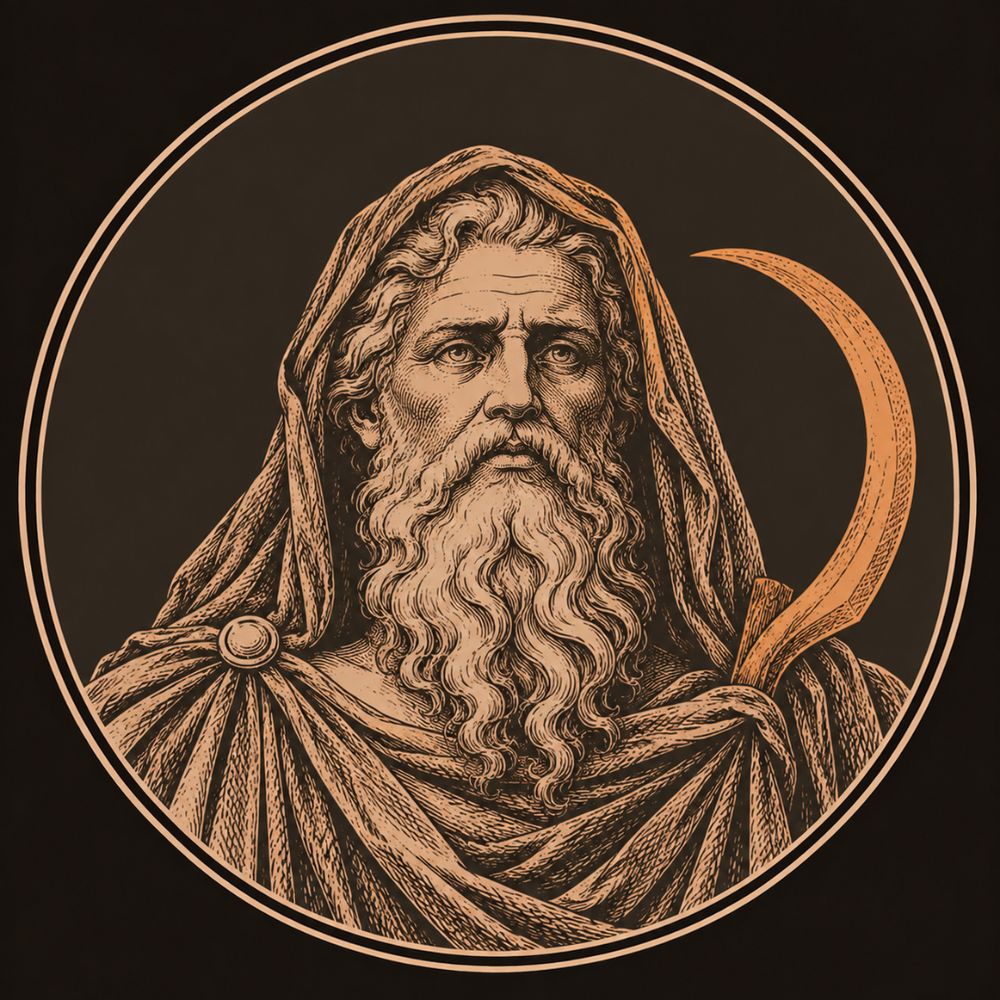
Saturn Character
Saturn is the Roman god of Latium's Golden Age, identified with the Greek Kronos and honored each December at the Saturnalia.
-
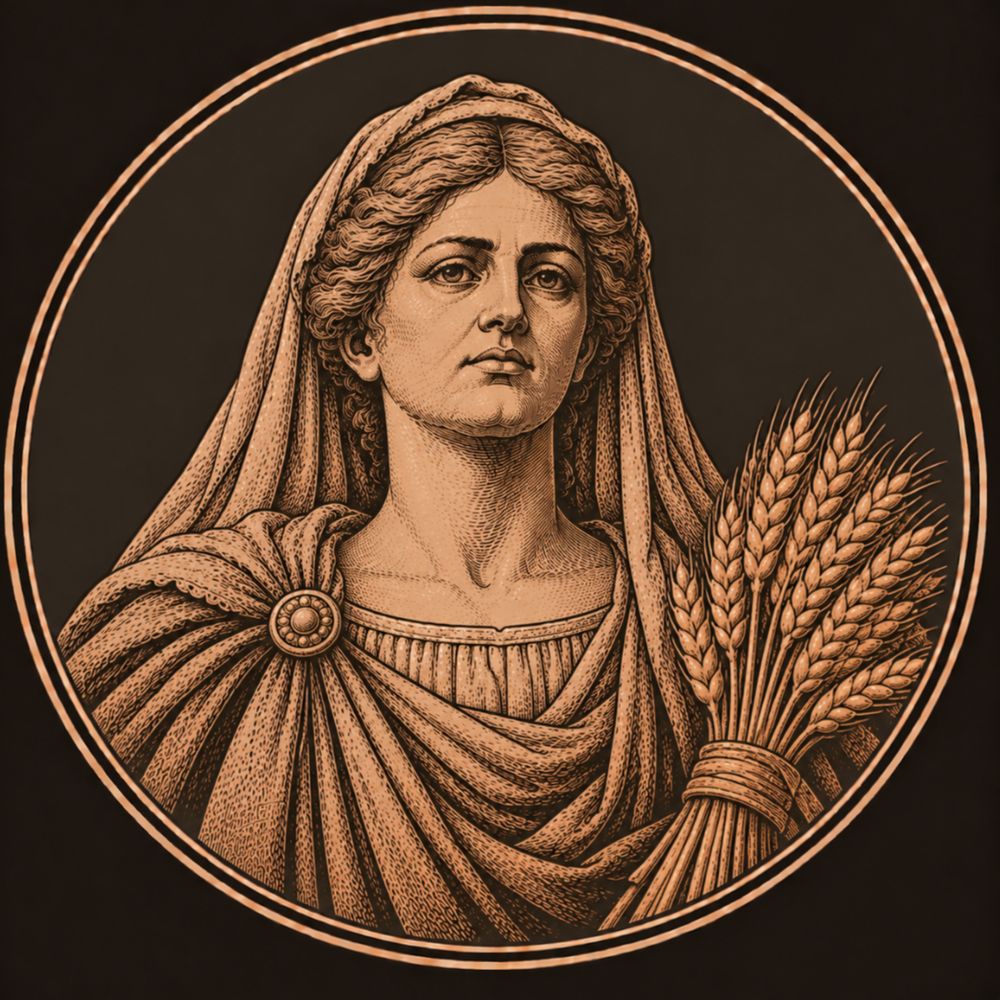
Ops Character
Ops is the Roman goddess of the earth's plenty and wealth, wife of Saturn in most accounts, with a festival called the Opalia.
Varro pairs her with Saturn as chief gods of Latium. A Greek match, Rhea, appears only in later writers such as Lactantius.
-
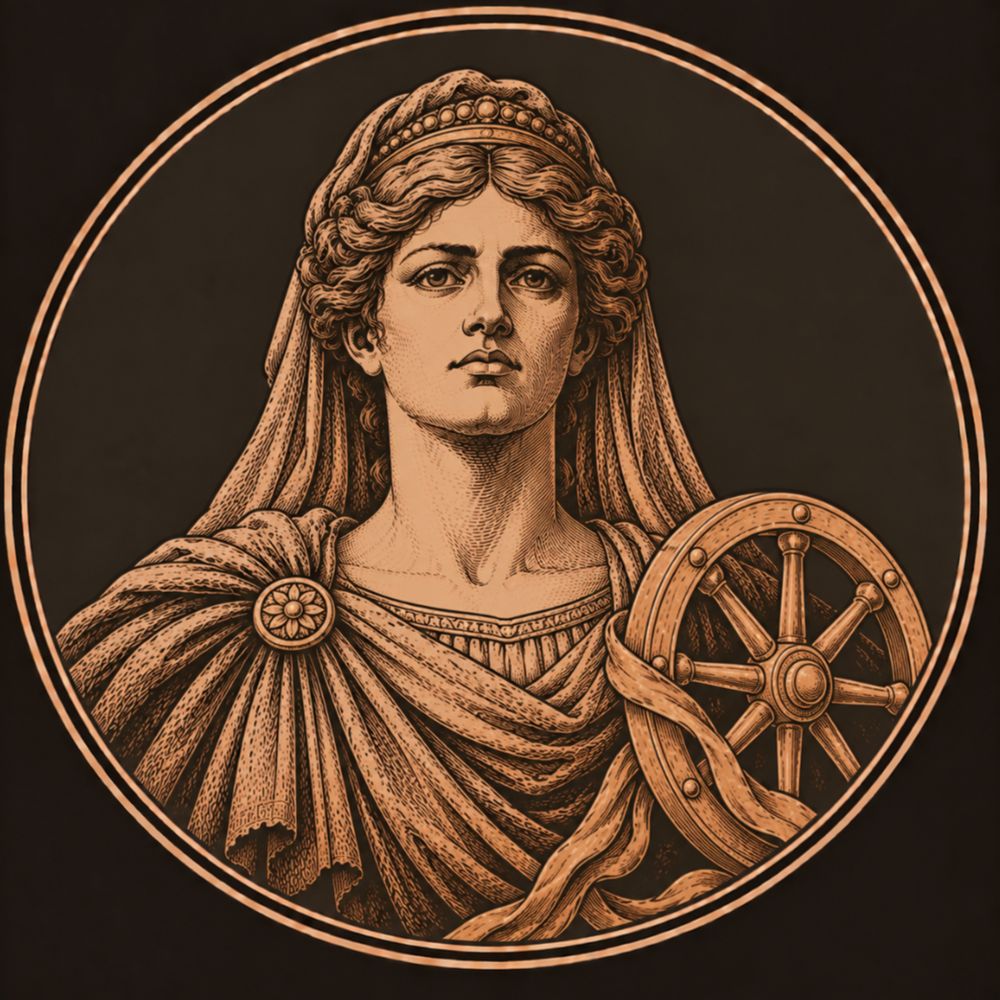
Fortuna Character
Fortuna is the Roman goddess of luck and chance, honoured in many cults, and known in myth mainly as the lover of King Servius Tullius.
Known through many Roman cults, not through myth. Livy records the temple of Fortuna Muliebris, built after the matrons turned Coriolanus back.
-

Pluto Character
Pluto is the Roman god of the underworld and its buried wealth, equivalent to the Greek Hades and blended with the older native gods Dis Pater and Orcus.
Cicero's Latin name for the god is Dis. Pluto is the Greek name carried into Latin, and it displaced the native names in later poetry.
-
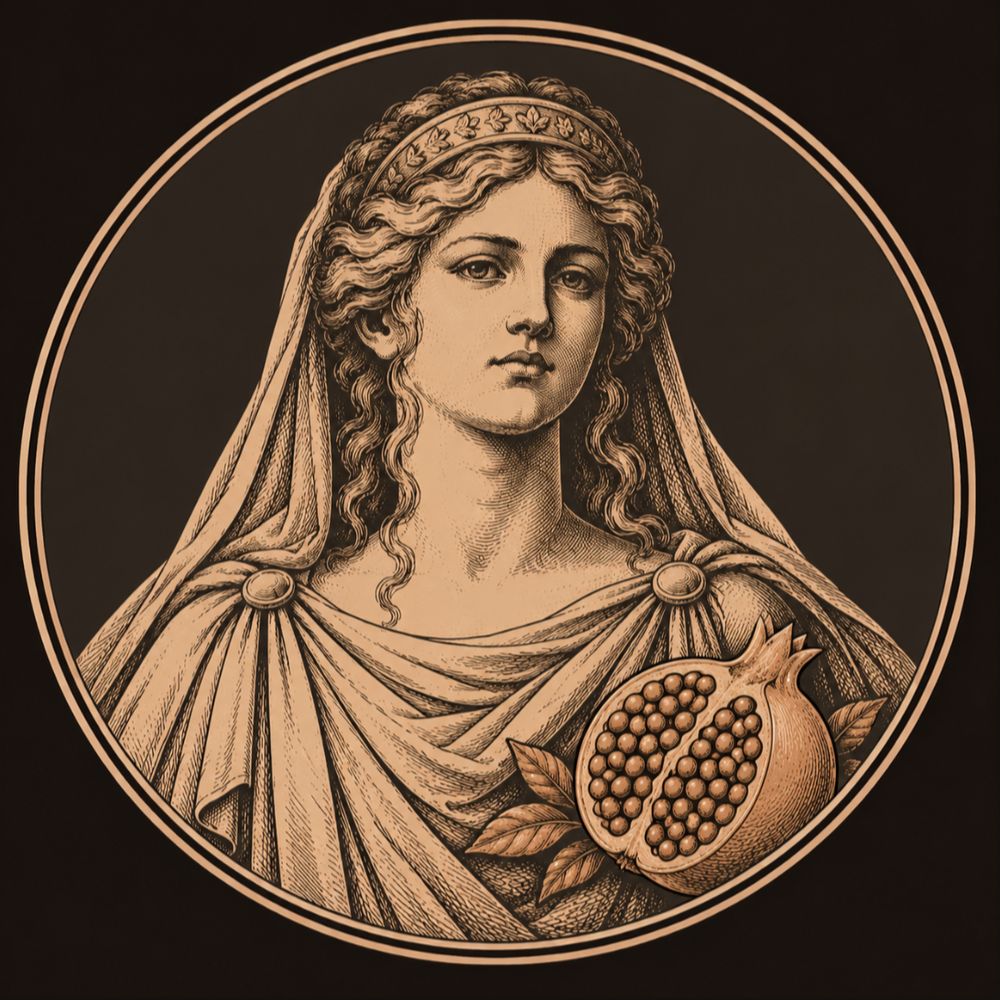
Proserpina Character
Proserpina is the Roman queen of the underworld and daughter of Ceres, carried off by Pluto in Ovid's Sicilian version of the myth of Persephone.
Grouped with Pluto because the Romans knew her as the queen he carried off, in Ovid's Sicilian version of the abduction.
-

Bacchus Character
Bacchus is the Roman god of wine and ecstatic religion, equivalent to the Greek Dionysus, whose cult the Roman state violently suppressed in 186 BCE.
A Greek god received with an Italian partner, Liber, and then suppressed by the Senate in 186 BCE. He is not on Livy's couches.
-
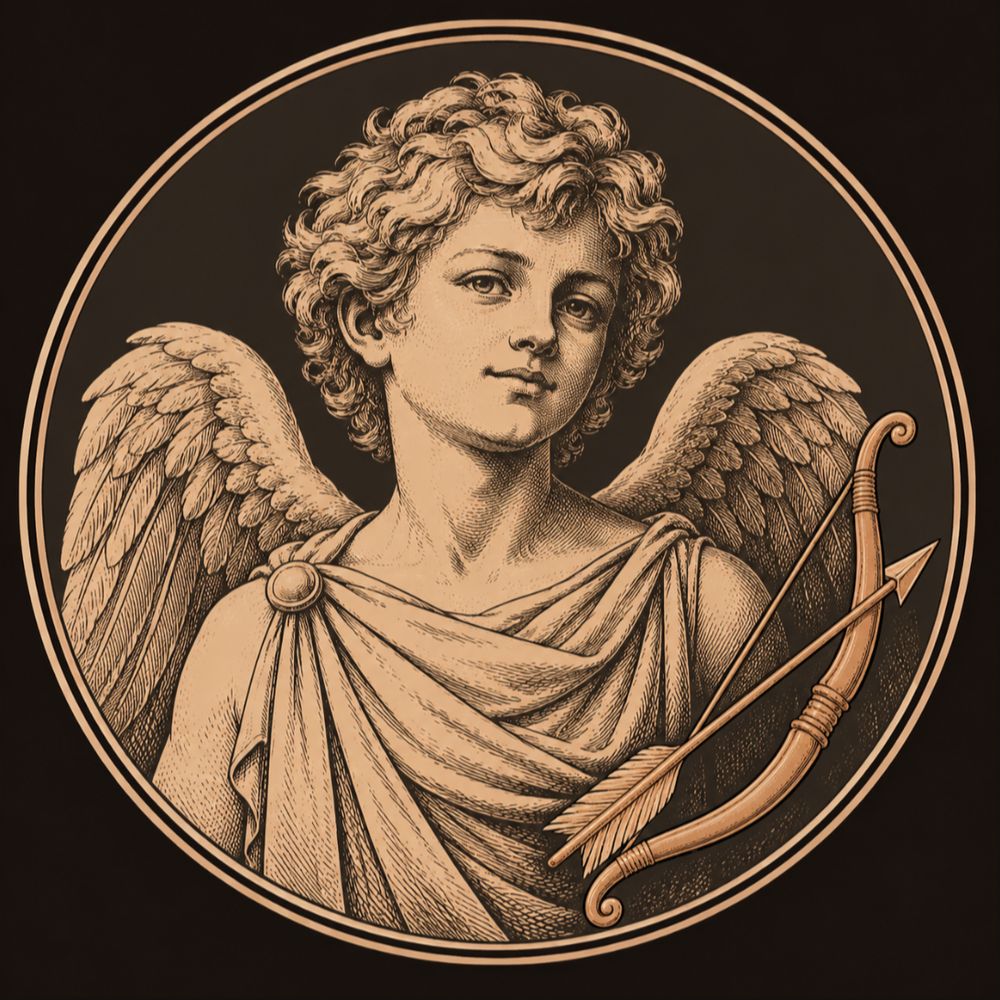
Cupid Character
Cupid is the Roman god of love, the son of Venus, whose arrows make gods and mortals fall in love, identified with the Greek Eros.
Enters Roman writing as Venus's son in Virgil. He has no couch in 217 BCE and no state cult in the sources checked here.
-
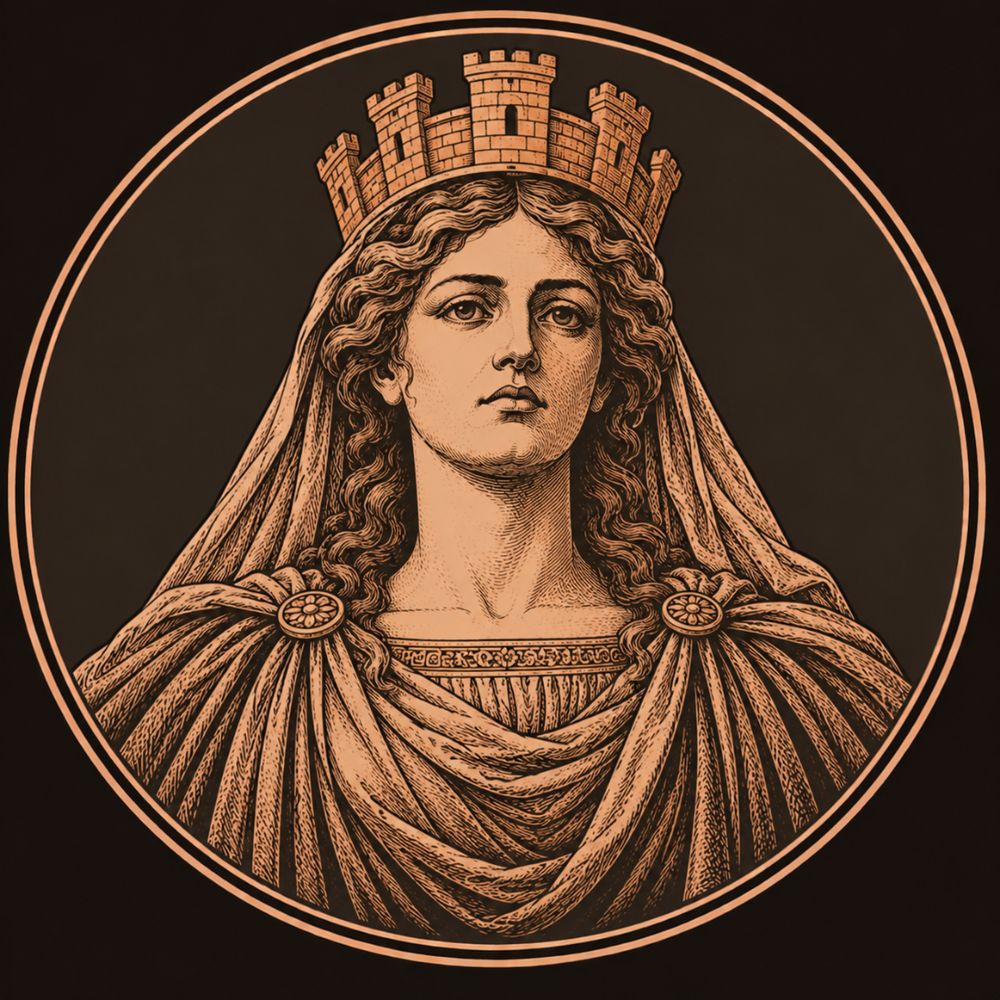
Cybele Character
Cybele is the Phrygian Mother of the Gods, brought from Pessinus to Rome in 204 BCE and worshipped there as the Magna Mater.
The one member brought in by a dated decision of the Senate, after the Sibylline Books called for her in the war with Hannibal.
Were the Roman gods the Greek gods under new names?
Partly, and Roman writers knew it. In Cicero's De Natura Deorum the Stoic speaker gives Latin and Greek names side by side: Dis is Plouton in Greek and Ceres is Demeter (2.66). He says the name of Vesta comes from the Greeks, the same as Hestia, and that Apollo is a Greek name (2.67). Yet the Romans also kept gods the Greeks lacked. Ovid's Janus says Greece has no god to match him. Livy records a foreign goddess, Cybele, fetched by oracle in 204 BCE (29.11, 29.14). Rome took over names, myths and gods, but not as one exchange.
Cicero, De Natura Deorum 2.66; Cicero, De Natura Deorum 2.67; Livy, Ab Urbe Condita 29.11; Livy, Ab Urbe Condita 29.14
Who were the twelve Dii Consentes?
Livy lists them as six pairs on six couches at the lectisternium of 217 BCE: Jupiter and Juno, Neptune and Minerva, Mars and Venus, Apollo and Diana, Vulcan and Vesta, and Mercury and Ceres. The passage gives no collective name, so Dii Consentes is the later label for this twelve. The Capitoline Triad is not a separate list, because Jupiter, Juno and Minerva all sit among the six couches. The sources checked here do not say why the pairs were made as they were. Neptune is set beside Minerva, and Mercury beside Ceres.
Livy, Ab Urbe Condita 22.10.9
Which Roman gods have no Greek counterpart?
Janus is the clearest case. Ovid makes the god say that Greece has no deity to match him, and Cicero's speaker gives him first place in sacrifice (De Natura Deorum 2.67). Ops had no Greek match in cult. Lactantius, writing around 300 CE, says Latin calls Rhea Ops, which makes the match a late translation. Fortuna is known in Rome through cults such as Fortuna Muliebris (Livy 2.40.12), and the sources checked here pair her with no Greek goddess. Pluto runs the other way: the Roman Dis took the Greek name Plouton (De Natura Deorum 2.66).
Ovid, Fasti; Cicero, De Natura Deorum 2.67; Cicero, De Natura Deorum 2.66; Lactantius, Divine Institutes; Livy, Ab Urbe Condita 2.40.12
Where do the ancient lists of Roman gods disagree about membership?
Livy's twelve of 217 BCE is a ritual list, so it leaves out gods who were already old or not yet received. Janus, Saturn and Ops have no couch. Cybele reached Rome only in 204 BCE (29.14). Bacchus's societies were suppressed in 186 BCE (39.8-39.19). Cicero's speaker works from function, not ritual, and names Dis with the earth and Ceres (2.66) and Janus first in sacrifice (2.67). Each list answers a different question, who was feasted at a crisis or what each god governs, so none is a complete roll of Roman gods.
Livy, Ab Urbe Condita 22.10.9; Livy, Ab Urbe Condita 29.14; Livy, Ab Urbe Condita 39.8-39.19; Cicero, De Natura Deorum 2.66; Cicero, De Natura Deorum 2.67
Where Accounts Differ
- twelve gods of 217 BCE vs the name Dii Consentes
- Apollo kept his Greek name
- Dis, Orcus and Pluto as one underworld god
- The twelve gods of the lectisternium are given as six pairs in Livy 22.10.9, which does not name them Dii Consentes. The collective name comes from later writers, so the label and the list belong to different sources.
- Apollo is the one god among the twelve whose Greek name Rome kept. Cicero's speaker calls the name Greek (De Natura Deorum 2.67), so the Greek-Roman equation used for the others does not apply to him.
- Pluto's place depends on the name used. Cicero's speaker gives Dis in Latin and Plouton in Greek for one god (De Natura Deorum 2.66), while the member page records Dis Pater and Orcus as separate native figures later merged with him.
Related Terms
Referenced By
Sources
- Livy, Ab Urbe Condita 1.19.2-1.19.3
- Livy, Ab Urbe Condita 1.55
- Livy, Ab Urbe Condita 2.40.12
- Livy, Ab Urbe Condita 22.10.9
- Livy, Ab Urbe Condita 29.10-29.11
- Livy, Ab Urbe Condita 29.14
- Livy, Ab Urbe Condita 39.8-39.19
- Cicero, De Natura Deorum 2.66
- Cicero, De Natura Deorum 2.67
- Ovid, Metamorphoses 5.363-384
- Virgil, Aeneid 1.657-688
- Ovid, Fasti
- Varro, De Lingua Latina
- Lactantius, Divine Institutes