The House of Atreus and the Returns from Troy
The Returns, in Greek the Nostoi, are the stories of the Greek leaders' voyages home from Troy. Homer's Odyssey tells Odysseus's ten-year journey and keeps setting it beside Agamemnon's, who reached Mycenae quickly and was murdered there. Nestor and Diomedes sailed home fast, Menelaus wandered for eight years, and the Lesser Ajax drowned. Agamemnon's death drives his son Orestes to kill his mother.
Sections on this page
Overview
The Trojan War did not end when Troy fell. For the Greek leaders the harder part was getting home, and Greek poets made that journey a subject of its own, the nostos. A lost epic called the Nostoi told the returns of the other heroes, and only a short later summary of it survives. Homer's Odyssey tells one return in full and reports the rest through the people Telemachus visits. At Pylos, Nestor explains that he and Diomedes sailed straight home after the fleet split. At Sparta, Menelaus describes eight years of wandering as far as Egypt, with Helen beside him again.
The return the Odyssey keeps coming back to is the worst one. Agamemnon reached Mycenae safely and was killed at a feast on the day he arrived. Zeus names Aegisthus as his killer in the poem's first speech, and Agamemnon's own ghost later blames his wife Clytemnestra as well. The murder belongs to a longer family history, the curse on the House of Atreus, which runs from Tantalus through the feud of Atreus and Thyestes. It ends only when Orestes avenges his father, helped in the tragedians by his sister Electra. Homer praises him for it. Aeschylus sends the Furies after him.
Odysseus takes ten years, and the Odyssey sets his household against Agamemnon's at every turn. Penelope waits and Telemachus grows up to stand beside his father, where Clytemnestra took a lover and Orestes had to avenge. On the way Odysseus passes the Cyclops's cave, Circe's island, the Sirens and the strait of Scylla and Charybdis. He loses every ship and every companion, then spends seven years with Calypso before the people of Nausicaa carry him home.
In This Topic (24)
-
House of Atreus Story
The House of Atreus is the royal family of Mycenae whose members kill one another across five generations, from Tantalus to Orestes. The sources trace the curse to a chariot race won by treachery, a golden lamb and a banquet of children. In Aeschylus it ends only when Athena and an Athenian jury acquit Orestes of killing his mother.
-
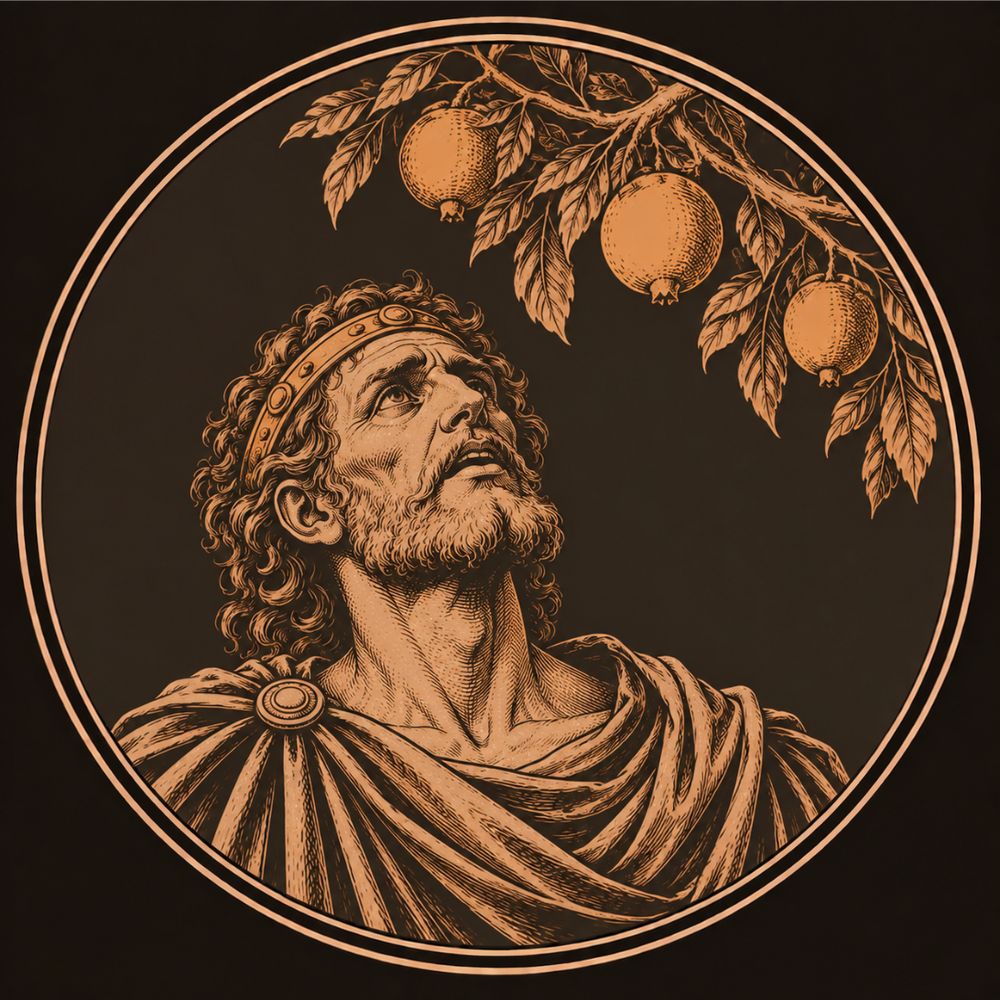
Tantalus Character
Tantalus is the king of Mount Sipylus, called a son of Zeus, who shared the gods' table and was punished in Hades with water and fruit forever out of reach, or in other accounts with a stone hanging over his head.
The first generation of the curse. The tragedians and Apollodorus trace the family's crimes from Tantalus through Pelops to Atreus, so the murders at Mycenae begin two generations before Troy.
-
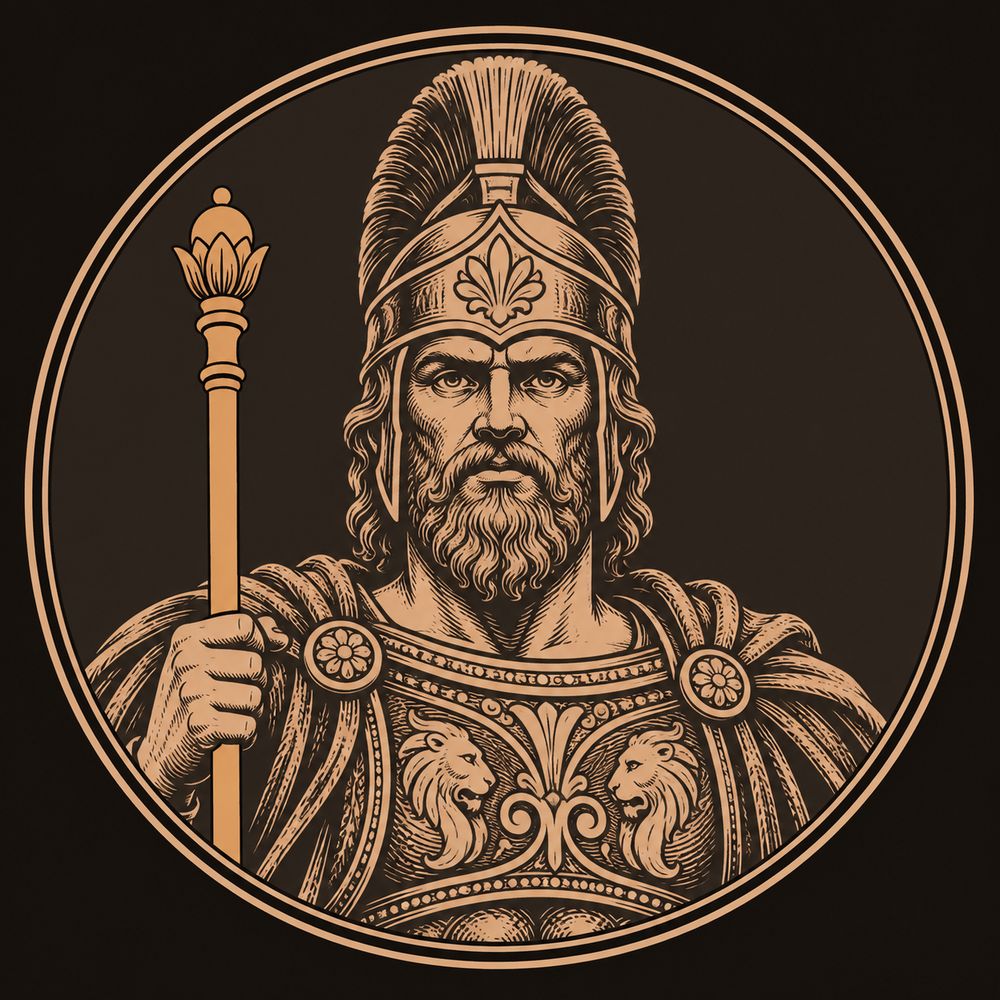
Agamemnon Character
Agamemnon is the king of Mycenae who commands the combined Greek army at Troy, whose insult to Achilles nearly cost the Greeks the war.
-
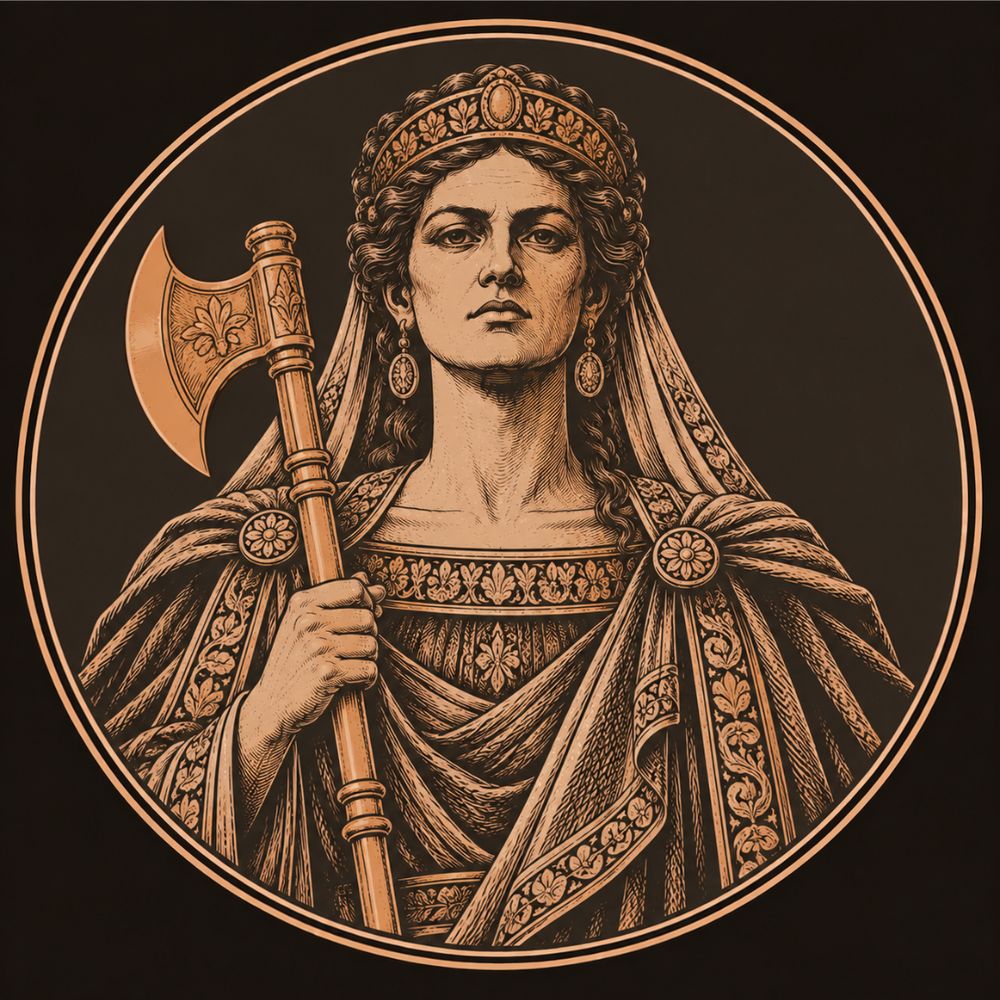
Clytemnestra Character
Clytemnestra is the queen of Mycenae, sister of Helen and wife of Agamemnon, who helps murder her husband on his return from Troy and is killed in turn by her son Orestes.
-
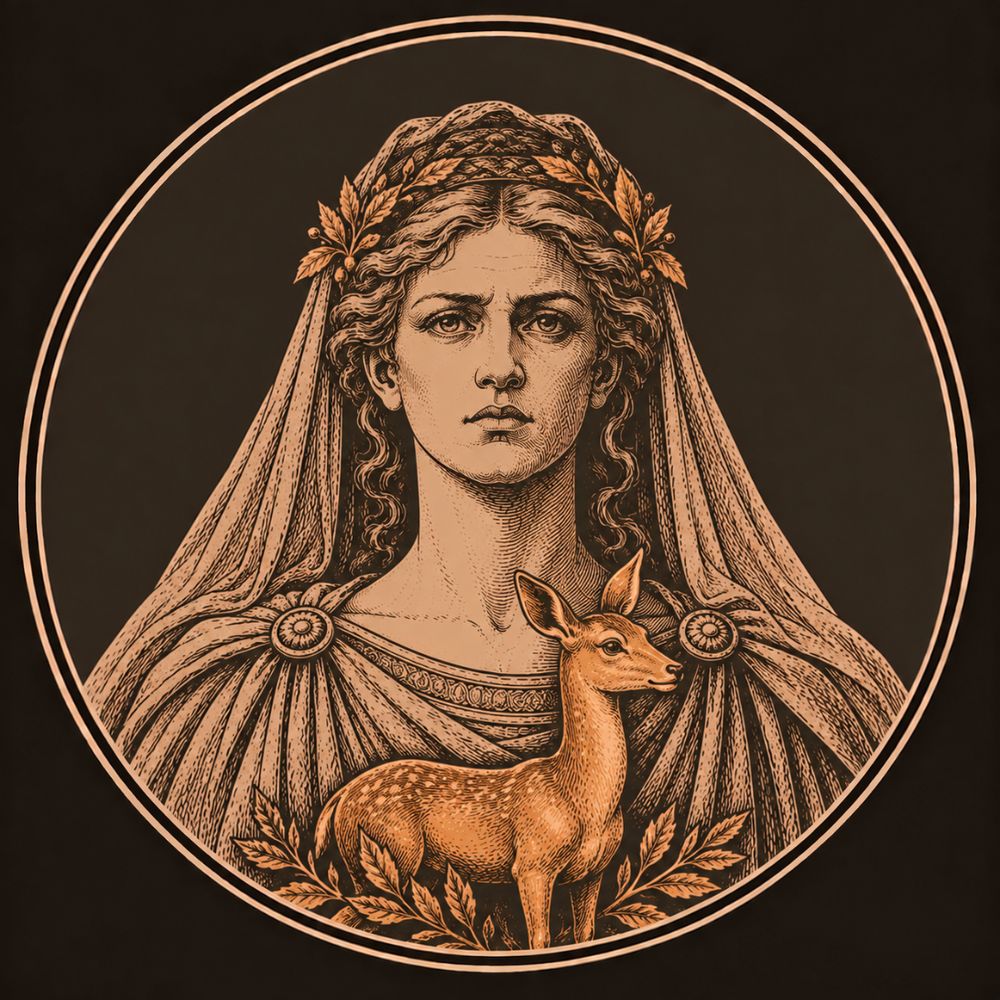
Iphigenia Character
Iphigenia is the daughter of Agamemnon and Clytemnestra whom her father offered to Artemis at Aulis so the Greek fleet could sail for Troy.
The death Clytemnestra cites for her own. In Aeschylus's Agamemnon she defends the murder of her husband as payment for the daughter he sacrificed at Aulis.
-
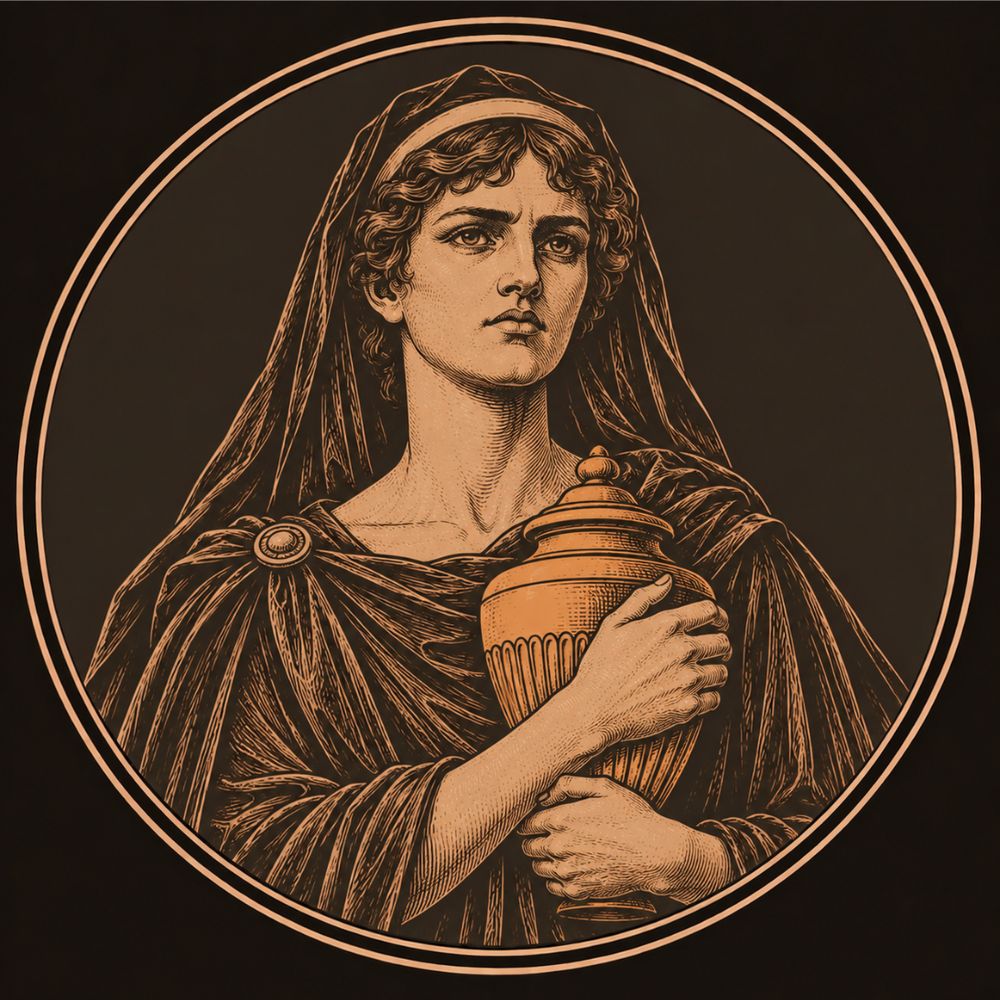
Electra Character
Electra is the daughter of Agamemnon and Clytemnestra who mourns her murdered father for years and helps her brother Orestes avenge him by killing their mother.
-
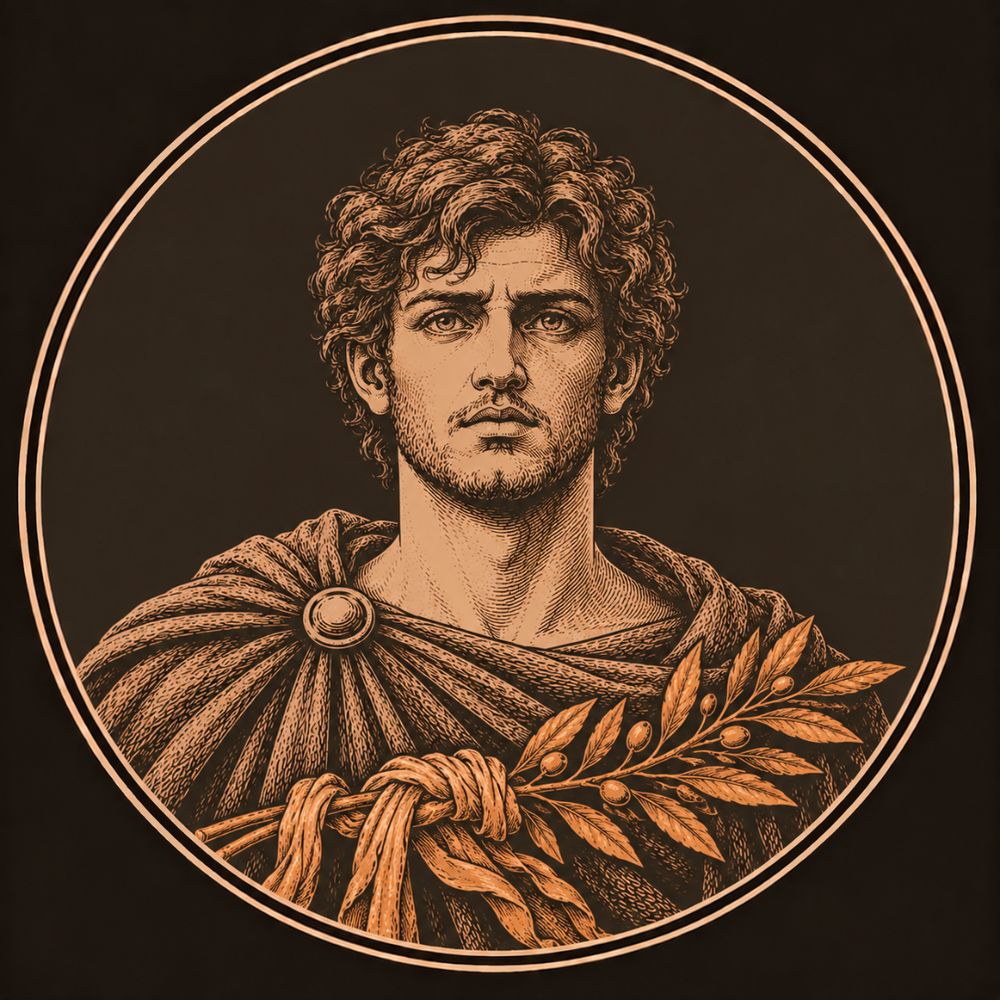
Orestes Character
Orestes is the son of Agamemnon and Clytemnestra who avenges his murdered father by killing his mother and Aegisthus, and is hounded by the Furies for it.
-
The Furies (Erinyes) Term
The Furies, known in Greek as the Erinyes, are ancient chthonic goddesses of vengeance who pursue and punish the guilty, especially those who kill their own kin, break solemn oaths, or violate the natural bonds owed to family. Hesiod's Theogony gives them a violent origin: when Kronos castrates his father Ouranos, the drops of blood that fall on Gaia produce the Erinyes alongside the armed Giants and the ash-tree nymphs called the Meliae, tying the very existence of divine vengeance to the first act of violence between a father and a son in the Greek cosmos. Apollodorus, retelling the same episode in prose, goes further than Hesiod by naming the three Erinyes individually as Alecto, Tisiphone, and Megaera, a specificity Hesiod's poem never supplies. The Erinyes appear in Homer as well, though not as a fully developed trio with individual names. In the Iliad, Phoenix recalls that his own father called down the hateful Erinyes to curse him, and the poem treats their power to enforce such a curse as real and effective rather than empty threat. Elsewhere in the Iliad, when the goddess Hera briefly grants Achilles's horse Xanthus the power of human speech to warn him of his coming death, it is the Erinyes who cut the prophecy short and silence the horse's voice - a strange, striking scene that shows the Erinyes acting as enforcers of a boundary between mortal and divine knowledge, not only as punishers of murder. How much authority the Erinyes hold, and how they relate to the Moirai, is a question Aeschylus addresses directly in Prometheus Bound: when asked who governs Necessity above all, Prometheus answers that the three-shaped Fates and the unforgetting Furies both do, and that even Zeus cannot escape what has been decreed. This pairs the Erinyes with the Fates as forces whose reach extends above Zeus's own, at least in this one telling, and the epithet 'unforgetting' captures their defining trait: a wrong once committed against blood or oath is never simply set aside. Ancient sources do not agree on the Erinyes' parentage. Where Hesiod derives them from the blood of Ouranos's wound, Virgil's Aeneid instead calls them three sisters born of Night, a lineage that echoes the alternative genealogy the Theogony itself gives elsewhere for the Moirai, and ties the Erinyes to the same primordial darkness rather than to a single violent event. The two genealogies are never reconciled in any surviving ancient source; different authors simply draw on whichever origin suits the scene they are telling. In Aeschylus's Eumenides the Furies hound Orestes for killing his mother, until Athena's court acquits him on a tied vote. His story is told in the house of Atreus.
The pursuers of Orestes in Aeschylus. Homer never sends them after him, and the trial that ends their pursuit in Athens is the close of the house's story in the Oresteia.
-
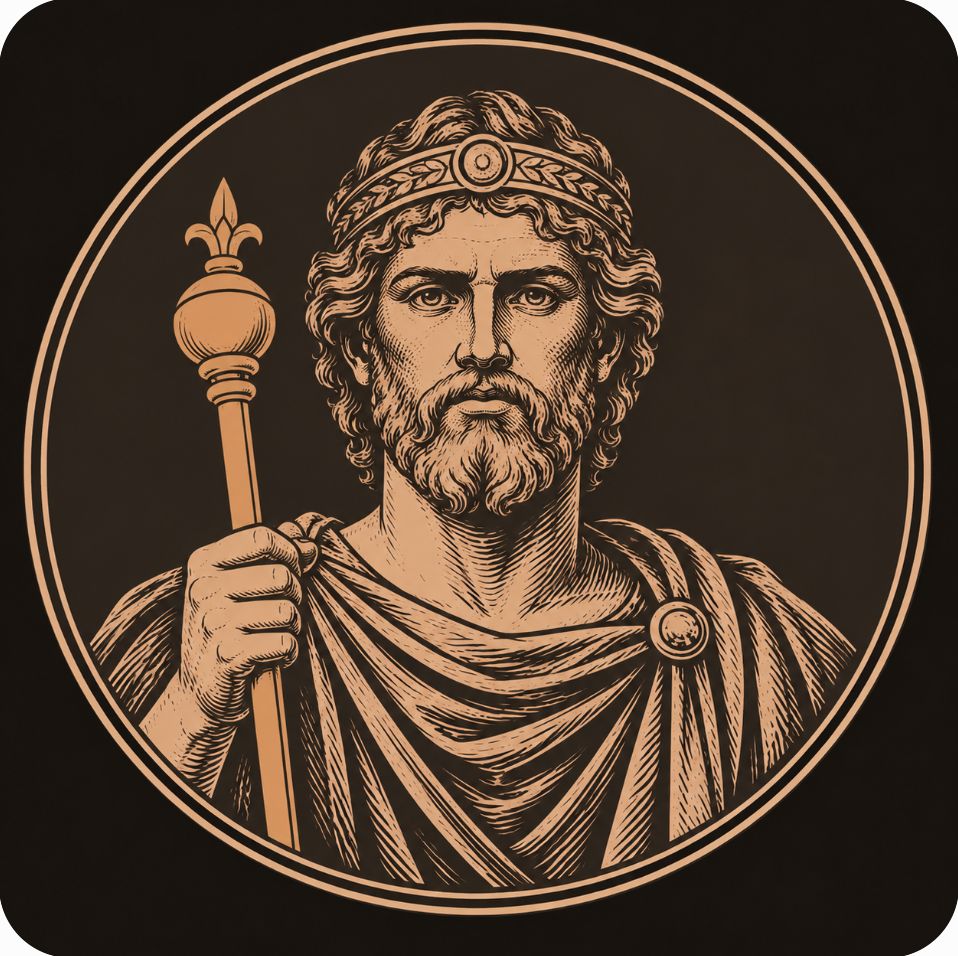
Menelaus Character
Menelaus is the Spartan king whose wife Helen's abduction by Paris gave the Greeks their reason to besiege Troy, and one of the few major fighters to survive the war.
-
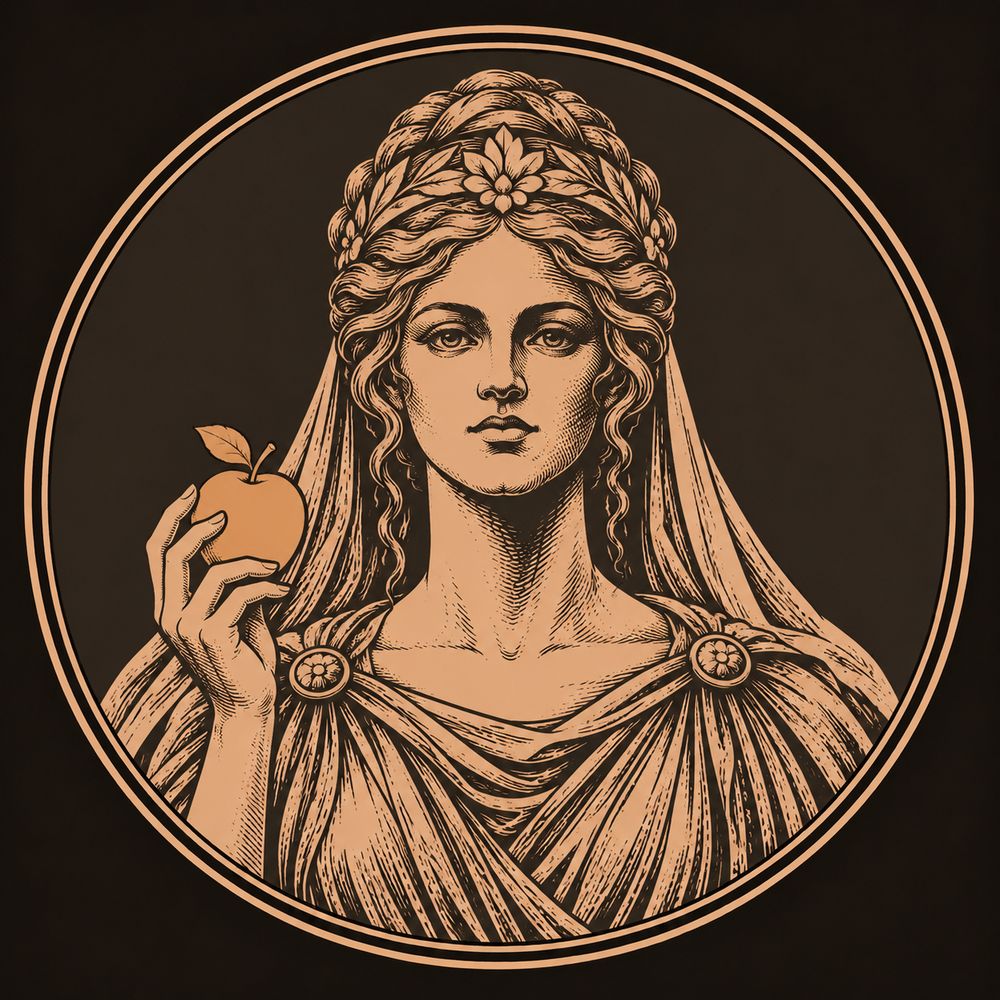
Helen Character
Helen is the daughter of Zeus whose abduction by the Trojan prince Paris supposedly launched the Trojan War, though one ancient historian says she was never at Troy at all.
The cause of the war, home again in the Odyssey. She sits beside Menelaus at Sparta when Telemachus visits, after their eight years of wandering by way of Egypt.
-
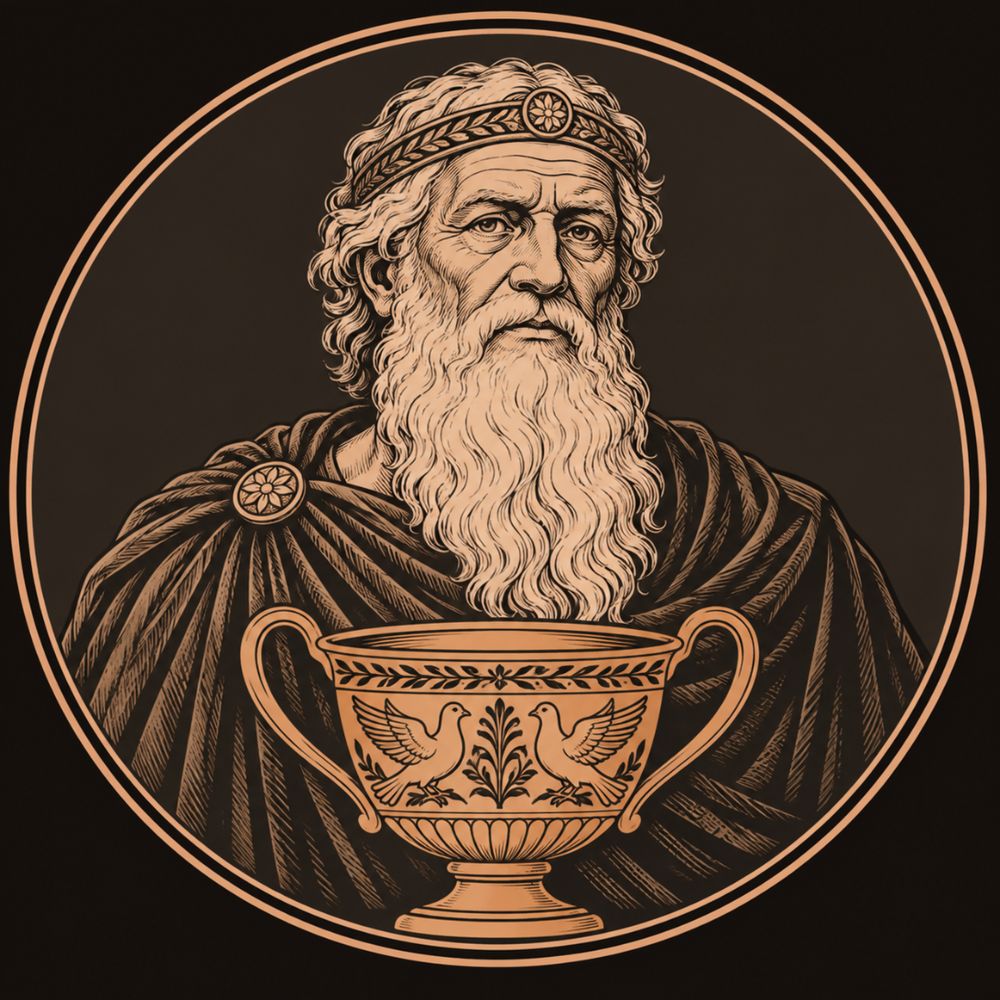
Nestor Character
Nestor is the aged king of Pylos, the oldest Greek leader at Troy, who advises Agamemnon in the Iliad and hosts Telemachus in the Odyssey.
The Odyssey's witness to the other returns. At Pylos he tells Telemachus who reached home, who was lost, and how the fleet split after Troy.
-
Nostos Term
Nostos is Greek for "homecoming" or "return," and in the study of Greek epic it names both a specific idea and a whole lost genre. As an idea, it is the theme of a hero's journey back from Troy to his own home and kingdom, and it stands opposite kleos, the lasting glory a hero wins through great deeds. Where kleos is what a hero is remembered for, nostos is whether he actually gets to go home and enjoy it, and the two do not automatically come together: a hero can win one and lose the other. Homer's Odyssey states the theme in its opening lines, before the story itself begins: the poet asks the Muse to tell of the man who wandered for years, suffering greatly at sea, trying to save his own life and win the return, nostos, of his companions. The entire twenty-four-book epic is built around that single word, following the one homecoming in the tradition that actually succeeds, after a full decade of delay, monsters, divine obstruction, and the deaths of every companion whose own nostos the poem's opening line has already told the audience will fail. On Aeaea, Circe's drugged food is meant to make his men forget their native land, as told in Circe and the Swine. On Scheria the princess Nausicaa bids him farewell and asks him to remember her in his own land (Odyssey 8.457-468). Odysseus's nostos was not unique in ancient poetry, only the one that survived complete. A now-lost epic called the Nostoi, "the Returns," once told the homecomings of the other Greek leaders from Troy, and while the poem itself has not survived, Apollodorus's Epitome preserves a summary of its outline. It describes a fleet scattered by a storm that Athena herself asked Zeus to send, still angry at the Greeks for their conduct at Troy, wrecking many ships at once; Menelaus blown off course all the way to Egypt; and other leaders meeting death or prolonged wandering on their way home. Read against that outline, Odysseus's own decade-long ordeal looks less like an exceptional punishment aimed at him alone and more like the fate that met the entire victorious army returning from Troy, one version among several equally troubled returns, distinguished mainly by having survived as a complete poem in its own right. The pattern recurs across the wider tradition: Agamemnon's nostos ends in his murder the moment he reaches home, and in Apollodorus's Epitome the revenge that follows begins when his daughter Electra smuggles the boy Orestes away to Phocis; and other heroes are said to have wandered for years or founded cities far from where they started rather than ever truly returning. "Nostos" as a scholarly term now covers this entire pattern, the idea that surviving the war was never the same as making it home, and it survives in English in the medical word "nostalgia," literally the pain, algos, of nostos, of longing for a home a person cannot yet reach.
The Greek word for homecoming that names this whole group of stories, and the lost epic Nostoi that told the other heroes' returns.
-

Odysseus Character
Odysseus is the cunning Greek hero of the Trojan War whose ten-year journey home became the Odyssey.
-
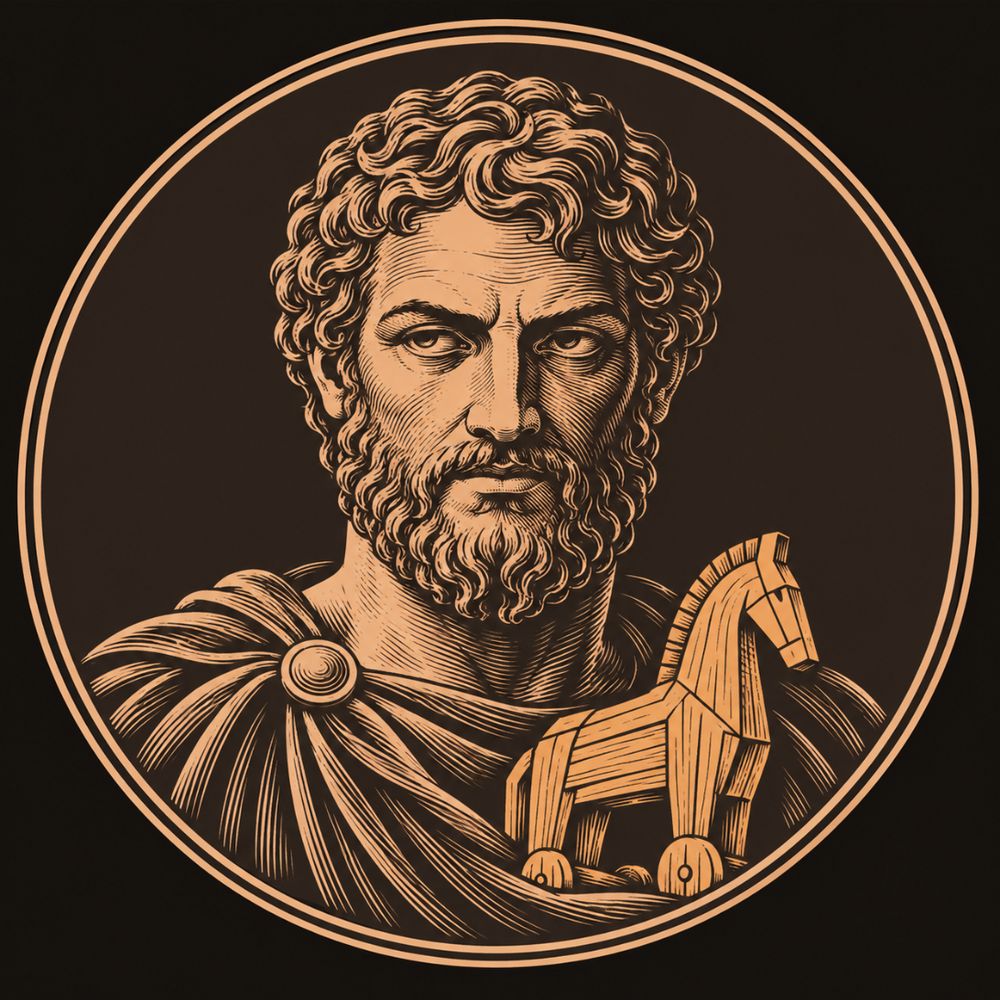
Ulysses Character
Ulysses is the Latin name of Odysseus, the Greek king of Ithaca, whom Virgil shows as the Greek of guile at Troy and Ovid shows winning the arms of Achilles from Ajax.
The Latin name of Odysseus. Virgil and Ovid show him from the Trojan and Roman side, as the Greek of guile at Troy, not as the hero of the voyage home.
-
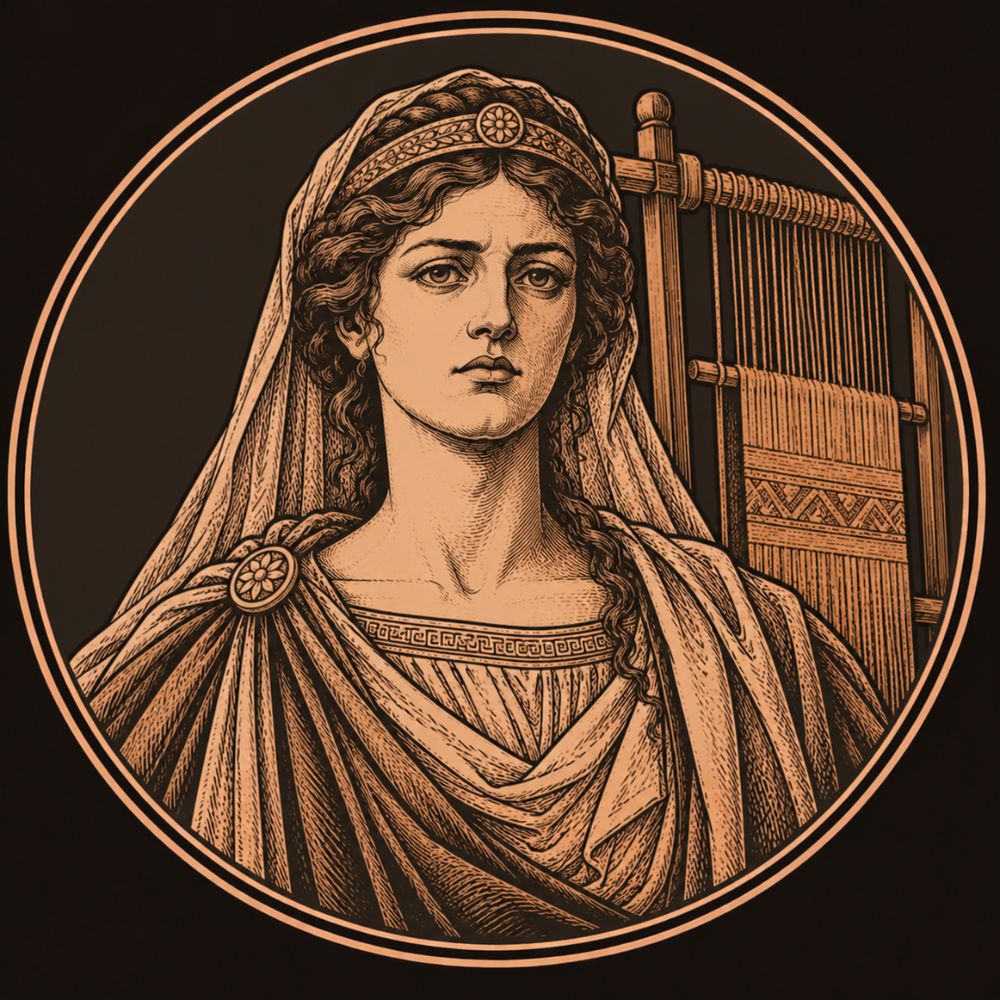
Penelope Character
Penelope is the wife of Odysseus and mother of Telemachus, who holds off the suitors on Ithaca for years with her unwoven shroud and tests her returned husband with the secret of their bed.
-
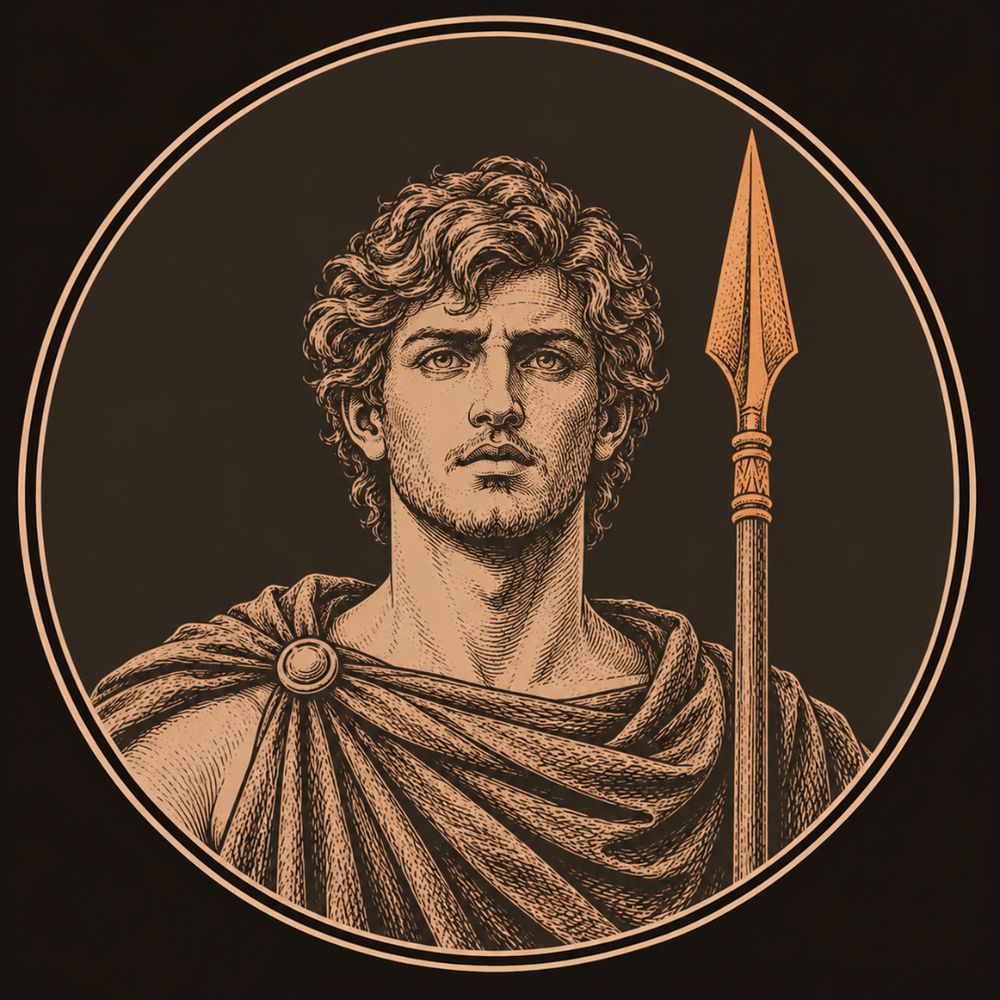
Telemachus Character
Telemachus is the only son of Odysseus and Penelope, who sails from Ithaca to Pylos and Sparta for news of his father and then helps him kill Penelope's suitors.
-
Odysseus and the Cyclops Story
On his long voyage home from Troy, Odysseus and his men were trapped in the cave of Polyphemus, a man-eating Cyclops and son of Poseidon. Through cunning and deception Odysseus blinded the giant and escaped, but a reckless boast of his own name earned him the lasting wrath of Poseidon.
-
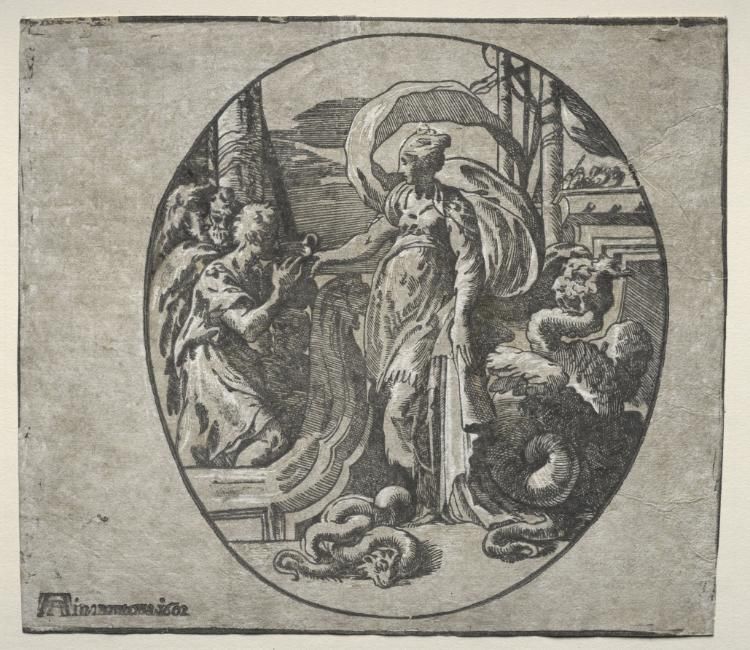
Circe and the Swine Story
Odysseus's men became swine on the island of Aeaea because Circe drugged their food and struck them with a wand. Homer gives her no motive. The god Hermes gave Odysseus an herb, moly, that made him immune. He forced Circe to swear an oath and restore his crew, and they stayed with her for a year.
-

Circe Character
Circe is the sorceress-goddess who turns Odysseus's men into pigs, then becomes the source of the warnings that get him past Scylla and Charybdis.
-
Odysseus and the Sirens Story
Odysseus beat the Sirens by following Circe's plan: his crew plugged their ears with wax and tied him upright to the mast, so he heard the song and could not steer toward it. Homer's Sirens offer knowledge of Troy and of everything on earth. Apollodorus says they died once a ship passed, and Apollonius has Orpheus outsing them.
-

Scylla Character
Scylla is the six-headed monster who devours sailors from a cliff in the strait opposite Charybdis.
-

Charybdis Character
Charybdis is the monstrous whirlpool that swallows and disgorges the sea three times a day opposite Scylla's cliff.
-
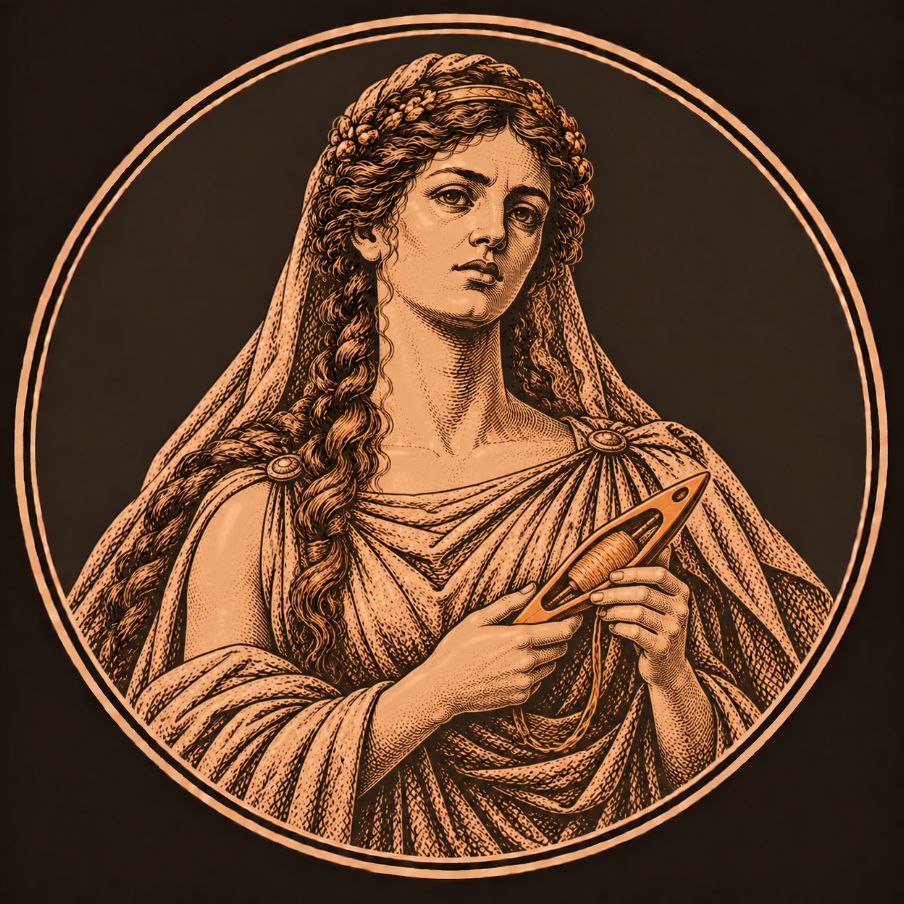
Calypso Character
Calypso is the nymph of Ogygia who keeps Odysseus on her island for seven years, offers him immortality, and lets him go only when Zeus sends Hermes to order it.
-
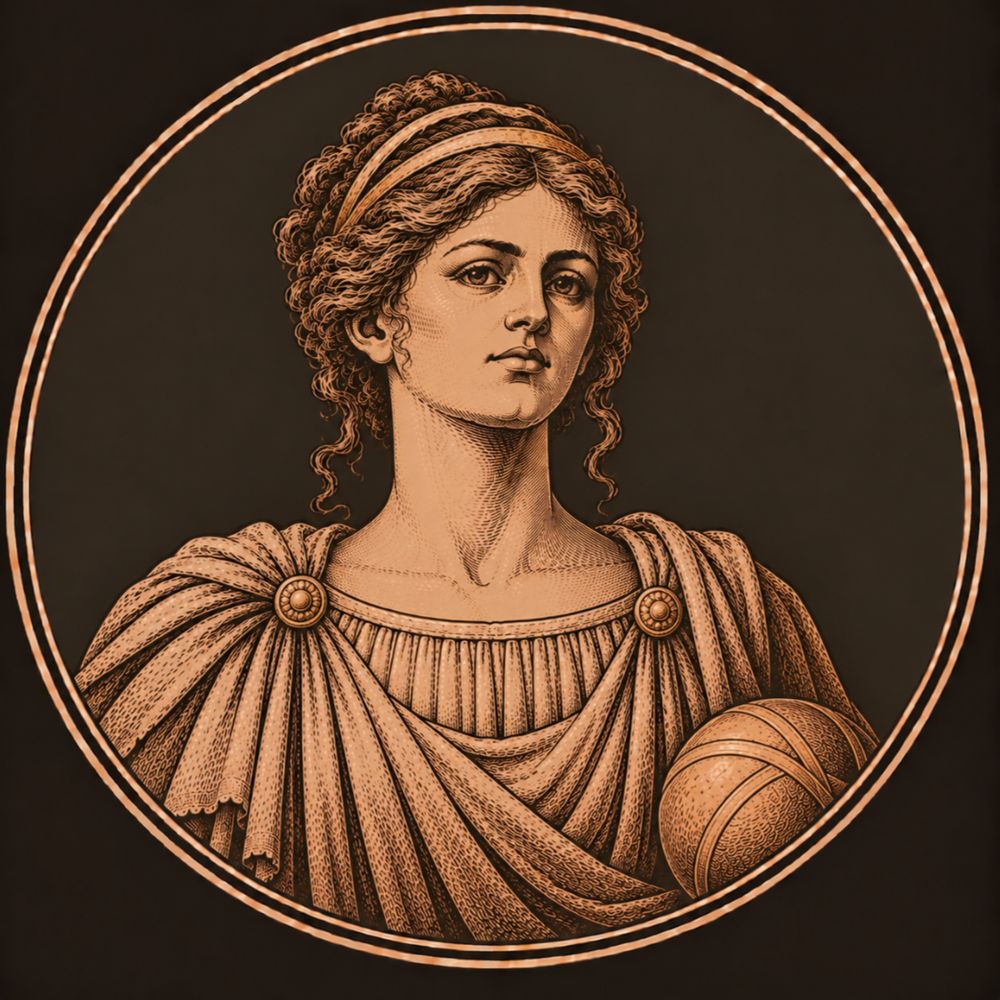
Nausicaa Character
Nausicaa is the Phaeacian princess, daughter of King Alcinous, who finds the shipwrecked Odysseus on the shore and guides him to her father's city.
The last stage of the return. Her people, the Phaeacians, hear Odysseus tell his wanderings and carry him to Ithaca on one of their ships.
Which Greek heroes made it home from Troy?
Fewer than set out, and Homer reports their fates piece by piece. In the Odyssey, Nestor tells Telemachus that the fleet split after Agamemnon and Menelaus quarreled over when to sail. Nestor and Diomedes reached home quickly. He has heard that the son of Achilles brought the Myrmidons home, and that Philoctetes and Idomeneus arrived safely. Agamemnon reached Mycenae only to be murdered. At Sparta, Menelaus says storms drove him as far as Egypt and that he came home in the eighth year. Proteus tells him the Lesser Ajax survived the sea, then boasted that he had escaped the gods, and Poseidon split the rock he clung to. Odysseus, last of all, took ten years.
Homer, Odyssey 3.130-198; Homer, Odyssey 4.81-85; Homer, Odyssey 4.499-511
Why did the returns from Troy go so badly?
The sources blame the anger of the gods at what the Greeks did when Troy fell. Homer's Nestor says Zeus planned a bitter homecoming because not all the Greeks were prudent or just, and that many met an evil fate through the wrath of Athena. The bard on Ithaca sings of the same woeful return that Athena laid on the Achaeans. Apollodorus's Epitome names the offense. The Lesser Ajax dragged Cassandra away from Athena's image during the sack, and Athena's storm wrecked the fleet. Apollodorus adds a human enemy too. Nauplius, whose son Palamedes the Greeks had put to death, lit false beacons on Caphareus and drew the ships onto the rocks.
Homer, Odyssey 3.130-135; Homer, Odyssey 1.325-327; Apollodorus, Epitome 5.22; Apollodorus, Epitome 6.5-6.9
Why does the Odyssey keep comparing Odysseus with Agamemnon?
Because Agamemnon's homecoming is the warning the poem measures every other return against. The Odyssey's first divine speech is Zeus's complaint about Aegisthus, who courted Agamemnon's wife and killed him on his return. Athena then holds up Orestes, who avenged his father, as the model for Telemachus. In the underworld, Agamemnon's ghost tells Odysseus how he was killed at a feast and warns him not to trust even his own wife. At the end of the poem the same ghost hears what Penelope did and sets her against Clytemnestra. Penelope will be remembered in a song of praise, and Clytemnestra in a hateful one.
Homer, Odyssey 1.29-43; Homer, Odyssey 1.298-300; Homer, Odyssey 11.405-434; Homer, Odyssey 24.192-202
Was Orestes punished for killing his mother?
It depends on the source. Homer's Odyssey treats Orestes as a model son. It says he killed Aegisthus and held a funeral feast for him and for his hateful mother, without saying how Clytemnestra died. Aeschylus makes the killing of a mother the problem his trilogy has to solve. The Furies pursue Orestes to Athens, where a court of citizens hears the case. Athena casts her vote for him, and the tied ballots acquit him. Euripides's Orestes opens with Argos about to condemn him to death for the same act. Apollo appears at the end and says Orestes will be tried on the hill of Ares and win his case.
Homer, Odyssey 3.303-310; Aeschylus, Eumenides 734-753; Euripides, Orestes 1653-1665
Where Accounts Differ
- aegisthus-or-clytemnestra-as-killer
- orestes-praised-vs-pursued
- nostoi-lost-epic-vs-odyssey
- Who killed Agamemnon differs by source. Homer's Zeus names Aegisthus, and Agamemnon's ghost in Odyssey 11 says Aegisthus killed him with the help of his wife. Aeschylus's Agamemnon makes Clytemnestra the killer, striking him in the bath.
- Homer never says that Orestes killed his mother. The Odyssey mentions only a funeral feast for Aegisthus and for his hateful mother. The matricide, the Furies and the trial are developed by the tragedians.
- The epic Nostoi, which told the returns of the other heroes, is lost. Its contents survive only in a short prose summary from late antiquity, so most connected accounts of the returns here come from the Odyssey and from Apollodorus's Epitome.
Related Topics
Related Terms
Sources
- Homer, Odyssey 1.29-43
- Homer, Odyssey 1.298-300
- Homer, Odyssey 1.325-327
- Homer, Odyssey 3.130-198
- Homer, Odyssey 3.303-310
- Homer, Odyssey 4.81-85
- Homer, Odyssey 4.499-511
- Homer, Odyssey 11.405-434
- Homer, Odyssey 24.192-202
- Aeschylus, Agamemnon 1412-1425
- Aeschylus, Eumenides 734-753
- Euripides, Orestes 1653-1665
- Apollodorus, Epitome 5.22
- Apollodorus, Epitome 6.5-6.9
- Timothy Gantz, Early Greek Myth (1993)
- Martin L. West, The Epic Cycle: A Commentary on the Lost Troy Epics (2013)